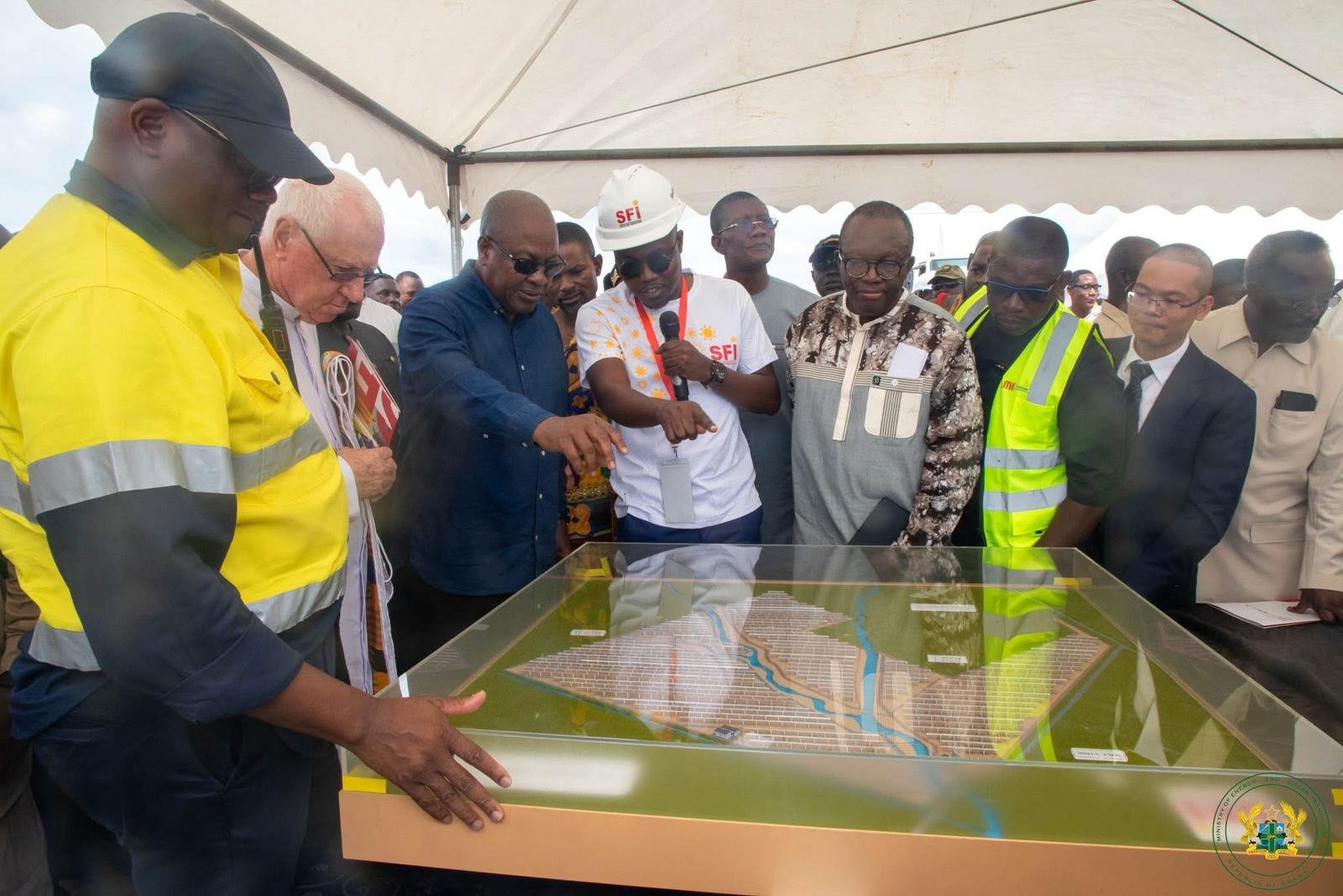
The Government of Ghana has taken a major step toward its clean energy goals with the official sod-cutting ceremony for the construction of a 200-megawatt (MW) solar power plant at the Dawa Industrial Enclave in the Ningo-Prampram District of the Greater Accra Region.
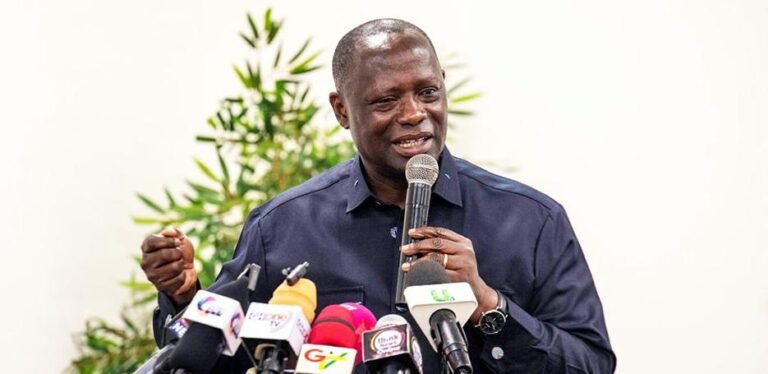
Speaking at the event, Hon. Richard Gyan-Mensah, Deputy Minister of Energy & Green Transition, described the project as a historic milestone in Ghana’s pursuit of a cleaner, more sustainable, and resilient energy future.
According to the Deputy Minister, the Dawa Solar Farm marks another bold step in the government’s commitment to diversify Ghana’s energy mix, reduce carbon emissions, and ensure universal access to reliable, affordable, and clean energy for all.
“This project is not merely the commencement of an infrastructure development; it is a statement of our collective commitment to the energy transition agenda and to Ghana’s industrial transformation,” Hon. Gyan-Mensah said.
Powering Green Industry
The 200MW solar facility, planned to be scaled up to 1,000MW in subsequent phases, will be one of the largest renewable energy investments in Ghana’s history. Strategically located within the Dawa Industrial Zone, it is designed to serve as a dedicated, clean power source for industries, manufacturing operations, and export-oriented enterprises.
By directly integrating renewable power into an industrial enclave, the project demonstrates how green energy can drive industrial growth, job creation, and climate action, the three core pillars of Ghana’s Energy and Green Transition Strategy.
When completed, the solar farm will supply affordable and reliable electricity to industries, reduce pressure on the national grid, and significantly contribute to the government’s target of achieving at least 10% renewable energy in the national energy mix by 2030.
Supporting National Energy Goals
Hon. Gyan-Mensah reaffirmed that the Ministry of Energy & Green Transition remains steadfast in implementing the National Energy Transition Framework, which provides a pathway toward achieving net-zero emissions by 2070 while maintaining energy security and economic growth.
He noted that the project aligns with the Renewable Energy Master Plan (REMP), which calls for accelerated investments in solar, wind, bioenergy, and other renewable technologies. The Ministry, he revealed, is currently finalising an updated version of the Master Plan to guide renewable energy development from 2026 to 2030.
To ensure accountability and sustained progress, the Ministry has also initiated the development of a five-year strategic plan aimed at strengthening the renewable energy value chain, promoting e-mobility, and establishing green economic zones across Ghana’s southern, middle, and northern belts.
“We are in the process of establishing a Renewable Energy Authority to ensure that the sector contributes significantly to the government’s Big Push agenda,” the Deputy Minister added.
Advancing Ghana’s Energy Mix
Currently, Ghana’s total installed electricity generation capacity stands at about 5,749MW, with renewables (excluding large hydro) accounting for approximately 5%, or 270MW, of the mix. The government aims to double this share to 10% by 2030, and the Dawa Solar Farm is expected to play a key role in achieving that goal.
Over the next five years, Ghana anticipates adding about 1,400MW of modern renewable energy capacity, with the Dawa project representing a cornerstone of this effort.
Public-Private Collaboration
Hon. Gyan-Mensah commended the collaboration among stakeholders, including the Dawa Industrial Zone, Energy Commission, Electricity Company of Ghana (ECG), private investors, and development partners, for their role in making the project possible.
He emphasized that such partnerships are critical to driving Ghana’s energy transition and fostering inclusive, sustainable growth.
“As we cut the sod today, let it represent more than the beginning of construction. Let it symbolize the dawn of a new chapter in Ghana’s industrial and energy journey, a chapter powered by innovation, sustainability, and shared prosperity,” he said.
Green Industrialization
The Deputy Minister concluded by reaffirming the government’s commitment to completing and expanding the project from 200MW to 1,000MW, positioning the Dawa Solar Farm as a beacon of Ghana’s green industrial revolution and a model for sustainable energy-driven development in Africa.
About The Author