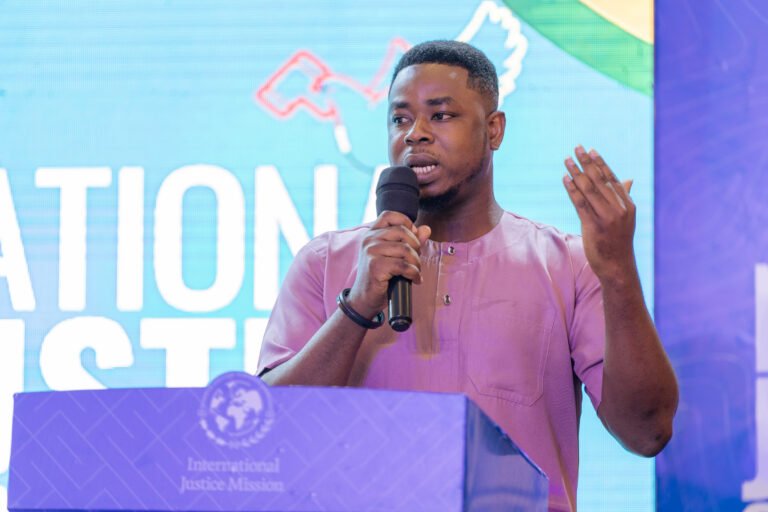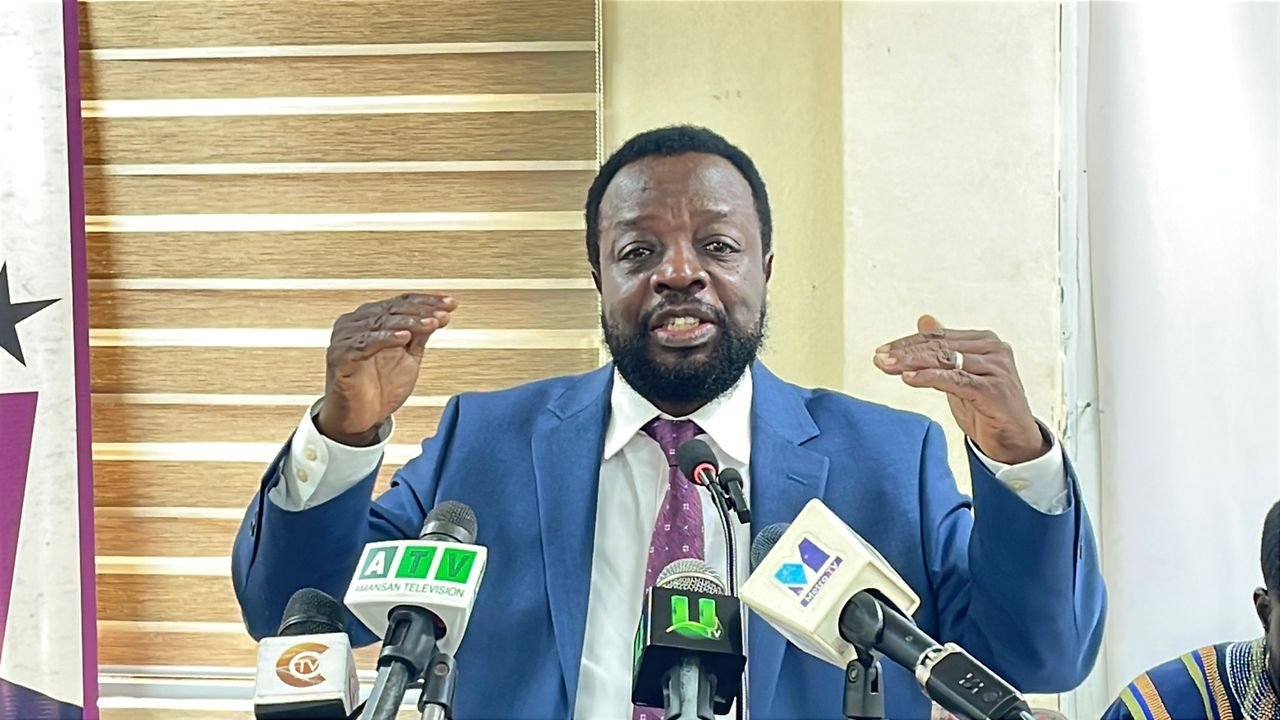
The presidential aspirant of PAG, Dr. John Kpikpi
The Progressive Alliance of Ghana is calling for the immediate withdrawal of the Barari DV–Ghana lithium deal from Parliament, arguing that the agreement hands an unacceptable 87 percent of Ghana’s lithium wealth to a foreign company. The party insists that this must end if the country is to assert genuine sovereignty over its natural resources.
The presidential aspirant of PAG, Dr. John Kpikpi, made the demand during a press conference at the Accra International Press Centre on Monday, November 24, 2025. He described the deal as unjust, exploitative and fundamentally inconsistent with the constitutional understanding that Ghana’s natural resources belong to all its citizens.
13 percent free-carried interest
Dr. Kpikpi explained that although the Ministry of Lands and Natural Resources revised the earlier agreement due to a steep decline in global lithium prices, the changes still leave Ghana with only a 13 percent free-carried interest, while Barari DV retains overwhelming control of the resource. Even with an adjustable 5 percent royalty rate and a commitment to allocate one percent of revenue to community development, PAG maintains that the structure remains grossly unfavourable. According to Dr. Kpikpi, the arrangement amounts to selling off the nation’s inheritance for a fraction of its true worth.
He illustrated this by comparing the country’s situation to a family of twelve siblings who discover that their brother has sold their late father’s property and worked with an agent who kept eighty-seven percent of the proceeds. He questioned why any rightful owner would accept only thirteen percent of what is theirs and insisted that this reflects the reality of Ghana’s mineral agreements over the years. He argued that this has happened repeatedly with gold, oil, diamonds and bauxite and is now being repeated with lithium.
Low mineral revenue earnings
Dr. Kpikpi highlighted data that shows how, over the last decade, Ghana has consistently earned only between nine and fifteen percent of the total revenue from its minerals, while foreign companies have walked away with the vast majority.
Dr. Kpikpi said that if the ownership structure were reversed, Ghana would retain most of the wealth generated from its resources and would not need to borrow from the same foreign nations whose corporations continue to profit from the country’s soil. He insisted that Ghana remains poor not because it lacks resources but because successive governments have negotiated away the nation’s rightful inheritance.
He is, therefore, advocating a new philosophy of resource ownership rooted in full Ghanaian control and management. He argued that Ghana must develop the necessary technical, managerial and engineering expertise to run its own mining operations. Where skills are lacking, he believes that the government can hire the necessary professionals without surrendering ownership. He also emphasizes the need to acquire equipment and technology directly and to engage in joint ventures only when Ghana holds the majority stake.
Dr. Kpikpi further proposed the use of a Special Purpose Vehicle model that treats the value of the mineral deposit as Ghana’s equity contribution. Under such a model, a resource worth ninety billion dollars requiring ten billion dollars for extraction should give Ghana a ninety percent stake, with investors taking the remaining portion based on risk. He argued that this approach reflects true sovereignty and ensures that Ghanaians enjoy the full benefit of their natural wealth.
Complete withdrawal
Following this reasoning, he called for the lithium agreement before Parliament to be completely withdrawn and renegotiated. He said any discussion should begin with Ghana holding at least eighty-five percent ownership and Barari DV holding fifteen percent, after which issues of processing, refining and local industrial participation can be addressed. Dr. Kpikpi added that Ghana should not continue exporting raw lithium ore and must instead invest in developing capacity for processing and eventually producing lithium-ion batteries for electric vehicles.
He stressed that if foreign investors are unwilling to operate on equitable terms, Ghana should leave the lithium in the ground until the country is ready to mine it independently for the maximum benefit of its people. He said PAG is tired of the exploitation that has defined Ghana’s mineral sector over the years and is committed to ensuring that the nation’s natural resources serve the interest of future generations.
Accordingly, he indicated that the party will be submitting formal petitions to Parliament and other relevant state institutions in the coming days as part of its effort to push for full national ownership of Ghana’s mineral wealth.
About The Author