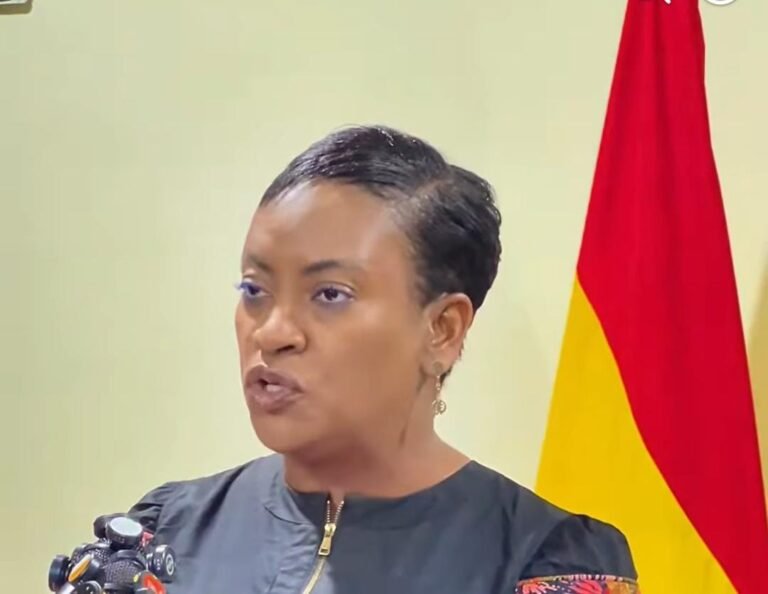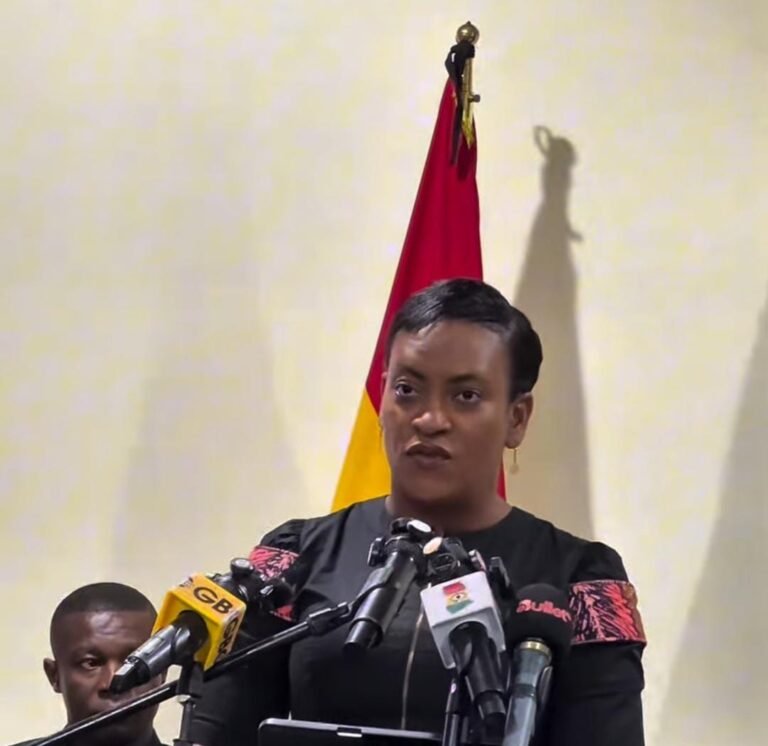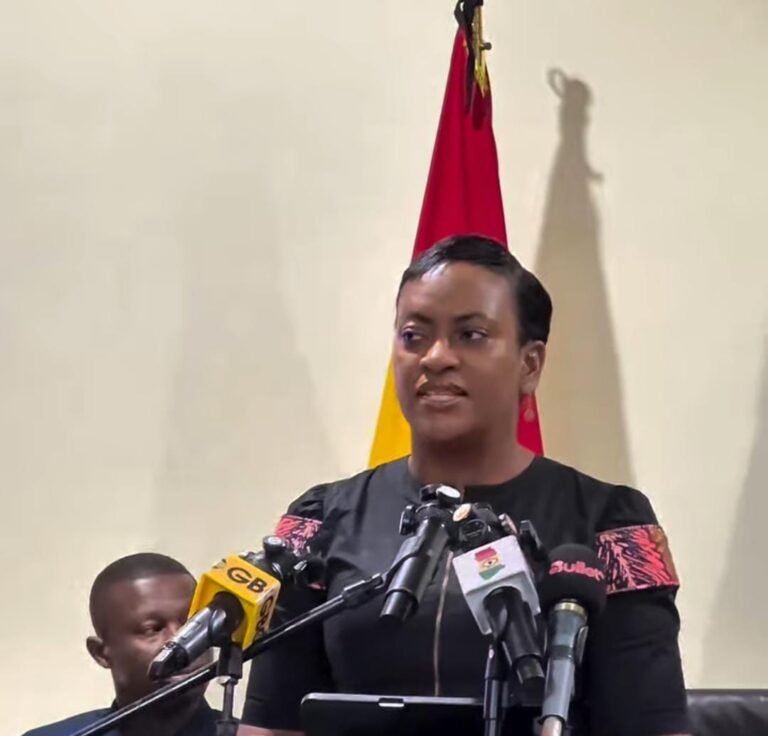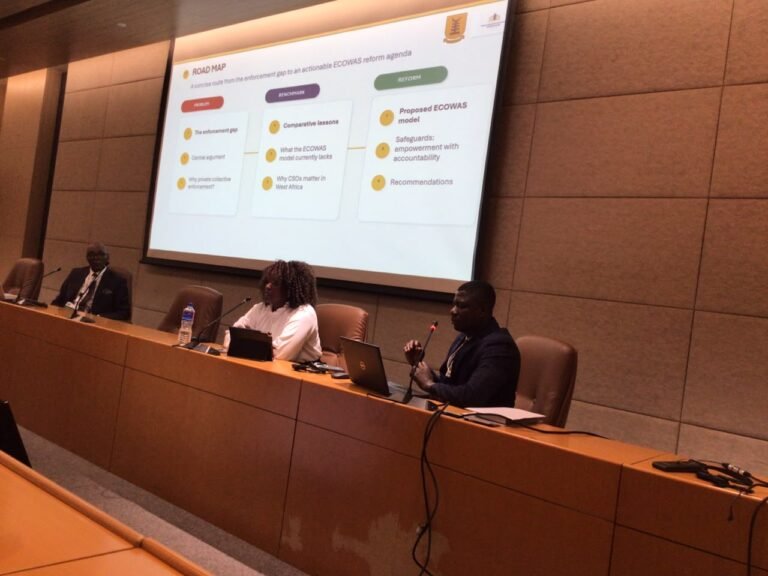
The Institute of Economic Research and Public Policy (IERPP) has raised strong concerns over contradictions in the government’s approach to fighting corruption, questioning the rationale behind establishing a new anti-corruption body while allegedly shielding the operations of GoldBod from scrutiny.
In a statement signed by its Executive Director, Prof. Isaac Boadi, the policy think tank said it finds it “disturbing and also ironic why the Mahama Government is setting up an anti-corruption agency while at the same time going to great lengths to shield GoldBod from accountability.”
The concerns follow Parliament’s passage of the Governance Advisory Council Bill on Friday, March 27, 2026, which seeks to establish an independent body to strengthen accountability, combat corruption, and protect human rights. According to the release, “this office is to beef up efforts to fight corruption by ensuring that duty bearers are accountable for their stewardships.”
However, the Institute pointed to what it considers a conflicting development on the same day, when the Majority side in Parliament rejected a Minority motion to set up an ad hoc committee to probe alleged financial losses at GoldBod, as well as issues surrounding the Gold-for-reserves programme.
IERPP argued that the two developments send mixed signals about the government’s commitment to accountability. It stated that “these two scenarios… conflict with each other,” questioning why a government that is prioritising accountability would, at the same time, block investigations into a state-linked entity.
The statement further criticised what it described as a disconnect between policy direction and political action, asserting that “the signal the President Mahama Government is sending out is that the establishment of the Governing Council is of little use to the fight against corruption.” It added that “Government’s claims of fighting corruption are at loggerheads with the realities on the ground.”
The Institute went on to argue that public resources risk being misapplied if anti-corruption institutions are not allowed to operate independently. In its words, “the Government is essentially wasting resources setting up anti-corruption outfits when these agencies will never be allowed the independence to fight corruption.”
It maintained that the relevance of the newly established Governance Advisory Council could be undermined if certain institutions remain beyond scrutiny, noting that “the Governance Council becomes superfluous if the likes of GoldBod will be shielded from accountability by the same Government.”
As part of its critique, IERPP posed a series of questions to the government, demanding clarity on the handling of the GoldBod matter. These include, “Why is GoldBod being protected from scrutiny?” and “Why is the Government hindering efforts to subject GoldBod to investigations with respect to the $214 million losses in its trading activities?”
The Institute also questioned whether there were underlying issues being concealed, asking, “What infractions have been committed by the managers of GoldBod that the Government is afraid to let sunshine to be brought upon their activities?”
Describing the situation as troubling, the statement warned that it reflects a worrying use of parliamentary majority to block accountability efforts, stressing that “these are worrying times if the Government would use its huge numbers in Parliament to prevent GoldBod’s activities from being looked into.”
The Institute concluded with a direct critique of the President’s anti-corruption stance, asserting that “President Mahama is not walking his talk as far as the fight against corruption is concerned.”
About The Author