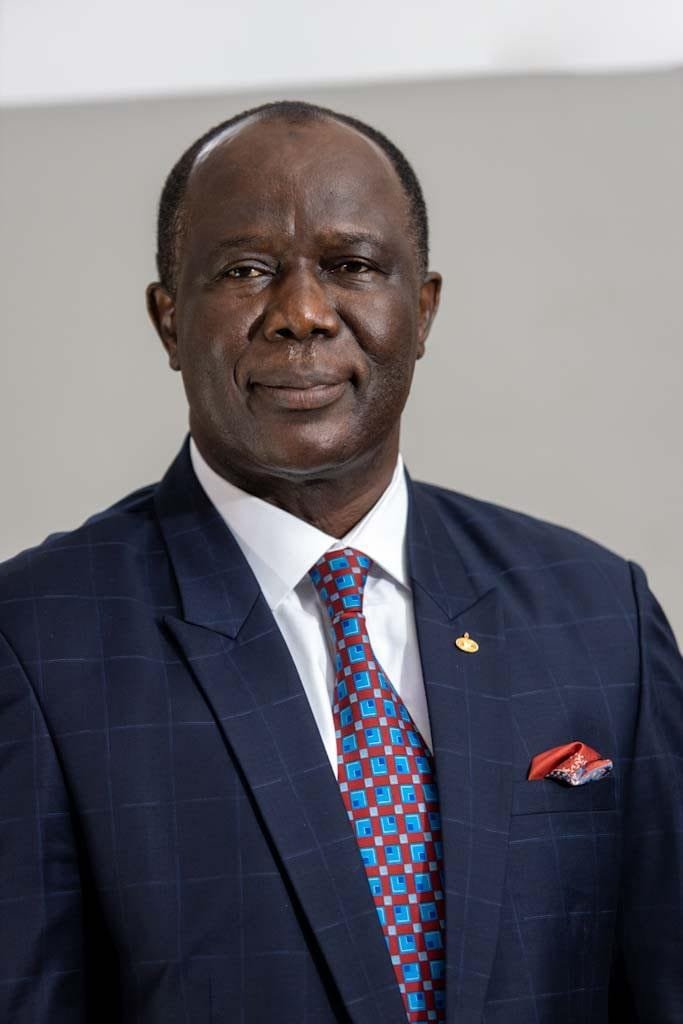
National Protocol Director of the New Patriotic Party (NPP), Kwadwo Afari, has called for a constitutional amendment to Article 257(6) of the 1992 Constitution, arguing that Ghana’s current legal framework governing mineral ownership has failed to adequately protect the interests of landowners and host communities where the country’s mineral resources are found.
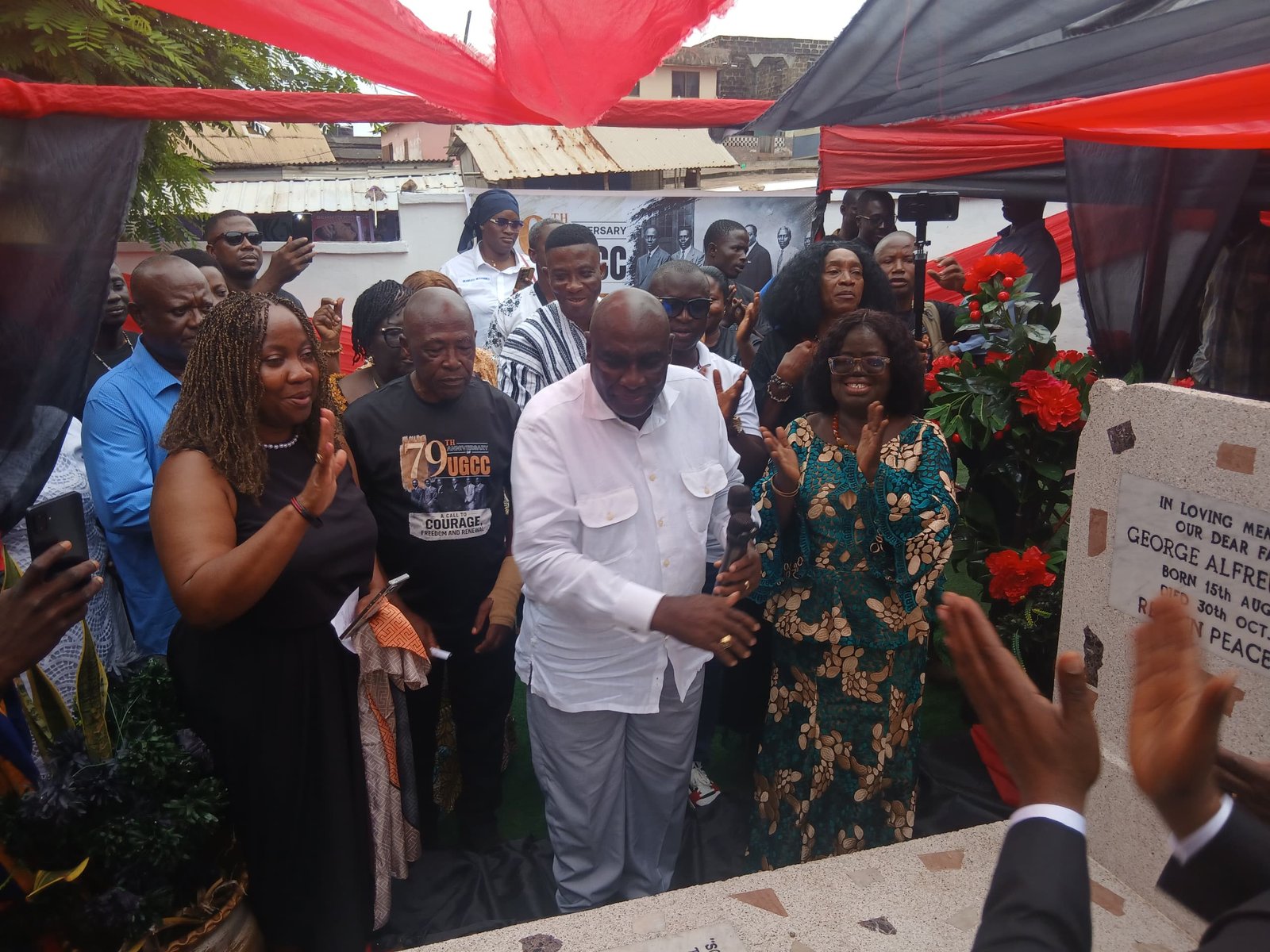
He made the call while speaking on the theme “From UGCC to the Future: Remembering our History, Upholding our Ideals and Preserving our Values,” during the celebration of the Founding Day of the United Gold Coast Convention (UGCC) at Axim yesterday. He joined members of the NPP Council of Elders and other party stalwarts to observe the 79th anniversary celebration of the UGCC. It was organised to honour the sacrifices and contributions of the founders of the UGCC in Ghana’s struggle for independence and democratic governance.
The programme, which included a visit to the grave of UGCC founding member Paa Grant, featured activities aimed at celebrating Ghana’s political heritage, promoting unity and reaffirming the values of liberty, justice and patriotism.
According to Kwadwo Afari, if any constitutional amendment is required, it should focus on reforming Article 257(6) to address mineral ownership and ensure that landowners and mining communities derive greater benefits from the country’s mineral wealth, rather than extending Ghana’s presidential term from four to five years.
Practical application?
He explained that although Article 257(6) vests all natural mineral resources in the President in trust for the people of Ghana, the practical application of the provision had, over the years, marginalised the very communities whose ancestral lands contain the nation’s mineral deposits while leaving them to bear the environmental and social consequences of mining activities.
Kwadwo Afari maintained that while the constitutional provision was originally intended to protect Ghana’s sovereignty over its natural resources, changing economic realities and concerns about fairness now require a comprehensive review of the law to ensure that mineral wealth directly benefits landowners and affected communities without undermining national ownership of the country’s resources.
He therefore proposed a constitutional reform that would democratise the concept of trusteeship by allowing landowners and local communities to become beneficiaries and stakeholders in mineral development projects, insisting that such a move would promote fairness, accountability and inclusive national development.
Current mineral ownership framework outdated
Kwadwo Afari described the current constitutional arrangement as one that no longer fully reflects Ghana’s traditional land ownership system.
Quoting Article 257(6) of the Constitution, he noted that:
“Every mineral in its natural state in, under or upon any land in Ghana, rivers, streams, watercourses throughout Ghana, the exclusive economic zone and any area covered by the territorial sea or continental shelf is the property of the Republic of Ghana and shall be vested in the President on behalf of, and in trust for the people of Ghana.”
While acknowledging that the provision establishes state control over mineral resources, Mr Afari argued that its implementation had created significant disparities between the constitutional promise of holding resources “in trust for the people” and the realities experienced by communities affected by mining.
“This law is an aberration. In Ghana, land doesn’t belong to the state. It belongs to families and individuals, unlike countries such as Canada and the United States where the Crown or the state owns large portions of land,” he added.
According to him, Ghana’s unique customary land tenure system makes it inappropriate for mineral ownership to be administered in a manner that sidelines the rights and interests of customary landowners.
Democratic trusteeship of mineral resources
Addressing gathering on the topic “Reclaiming Mineral Sovereignty in Ghana,” Kwadwo Afari argued that although the Constitution intended to protect Ghana’s sovereignty over its mineral resources, the current arrangement had instead weakened the position of indigenous landowners while disproportionately benefiting multinational mining companies and political elites.
“Our Constitution declares that all minerals are vested in the President, acting ‘in trust for the people.’ This was meant to protect our sovereignty. Yet in practice, it has dispossessed landowners, excluded communities, and enriched foreign corporations and political elites. The people—the true sovereigns—are left with little more than promises,” he stated.
He stressed that sovereignty should not be viewed as residing solely in a constitutional office but rather in the people whose lands and livelihoods are directly affected by mineral extraction.
“Sovereignty does not belong to a single office. Sovereignty belongs to the people. It belongs to the farmer whose land is taken, to the community that bears the cost of mining, to every citizen who dreams of a fair share in the nation’s wealth,” he said.
To address “structural inequities in Ghana’s mineral governance regime”, Mr. Afari proposed a constitutional framework that would preserve state custodianship while expanding trusteeship to include landowners and mining communities.
New benefit-sharing model for mining
Among his proposals, Mr. Afari said landowners should receive equity stakes in mining projects undertaken on their lands, while host communities should benefit from direct royalty payments and dedicated development funds financed through mineral revenues.
He further advocated constitutional guarantees for transparency, public accountability and citizen oversight in the management and distribution of proceeds from Ghana’s mineral resources.
According to him, these reforms would not weaken Ghana’s sovereignty over its mineral wealth but rather strengthen democratic ownership by ensuring that those who bear the greatest burden of extraction also share meaningfully in its benefits.
“This is not about dismantling sovereignty. It is about deepening it. It is about uniting individual and collective sovereignty, so that minerals remain a common heritage but one that tangibly enriches those who bear the costs of extraction,” he emphasised.
Mr. Afari also urged policymakers and constitutional reform advocates to recognize that constitutions are designed to evolve in response to changing societal needs.
“Constitutions are not sacred texts. They are living instruments. When they oppress rather than empower, they must be reformed. Ghana’s mineral laws must reflect the truth that sovereignty is not vested in a single office, but in the people themselves,” he stated.
He further called for a new constitutional settlement that would restore confidence among landowners, strengthen community participation and transform Ghana’s mineral wealth into a genuine driver of equitable development.
“Let us reclaim trusteeship. Let us honor the landowners. Let us empower the communities. Let us ensure that mineral wealth becomes not a source of dispossession, but a genuine engine of equity and development,” he said.
About The Author