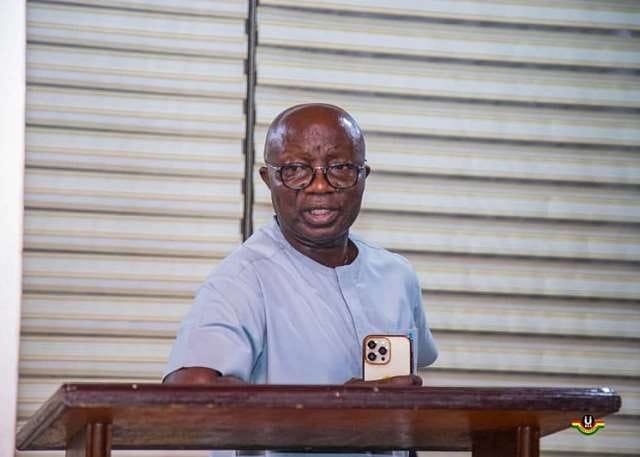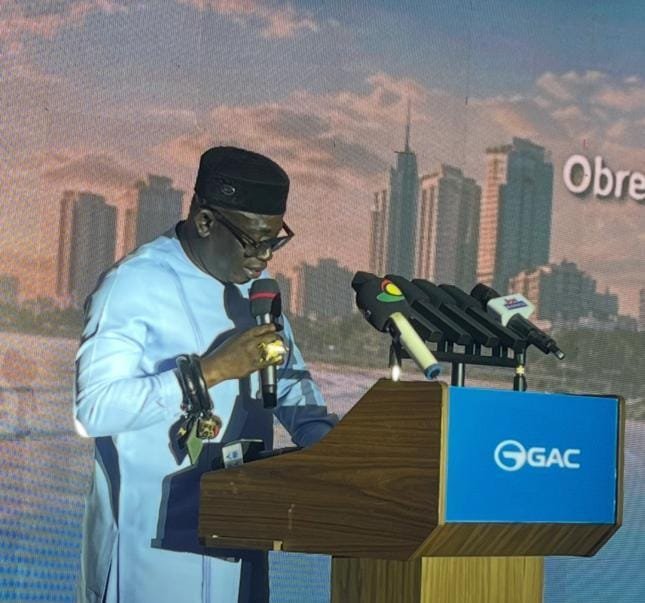
Isaac Nyarko Antwi, & Moderator of the General Assembly of the Presbyterian Church of Ghana, Rt. Rev. Dr. Abraham Nana Opare Kwakye
By Isaac Nyarko Antwi
It is unfortunate that success today is largely measured by wealth acquisition, academic qualifications and career accomplishments. Parents celebrate outstanding examination results of their wards as students secure enviable careers. While these academic pursuits are crucial, they should never outshine the real value of education. We must all understand that education must do more than prepare graduates for employment: it must prepare learners for life. Education must shape character, instil values, inculcate patriotism and develop a sense of responsibility that will positively affect the entire society.
This timely message was emphasised by the Moderator of the General Assembly of the Presbyterian Church of Ghana, Rt. Rev. Dr. Abraham Nana Opare Kwakye, during the National Conference on Stemming the Growing Indiscipline in Schools. His remarks serve as a special reminder to Ghanaians that the effectiveness of an educational system is not determined by the number of certificates awarded, but by the calibre of citizens it produces. Ghana needs graduates who are not just academically competent but also disciplined and guided by the integrity necessary for nation-building.
The increasing reports of indiscipline in our academic institutions, including gang activities and occultism, sexual misconduct, examination malpractices, improper dressing, violence, stealing, drug and substance abuse, the unauthorized use of mobile phones in senior high schools, truancy, bullying and disrespect for teachers have sparked serious reactions among the populace of the country. These patterns of negative behaviour point to a troubling reality: the decline of discipline, good character and ethical standards. Knowledge that is not guided by good character can become harmful when intelligence is separated from honesty and moral values. It is on record that a number of social problems can be attributed to some educated individuals who failed to uphold the principles of integrity and ethical conduct.
The role of schools extends far beyond teaching academic disciplines like English, Mathematics or Science. All academic institutions in Ghana must deliberately focus on teaching learners to prioritize virtues such as selflessness, respect for others, self-discipline and accountability. Teachers play a key role in shaping students’ character through their daily interactions with learners.
However, schools cannot achieve this goal alone. Indeed, character formation, as we all know, begins at home. Parents play a vital role in effective child upbringing. They are the first teachers of their children at home, and the values children acquire at home often influence them more than formal classroom lessons. Religious leaders, civil society groups and the media have the power to promote integrity and ethical behaviour among all and sundry in the country.
Unfortunately, many young people are often deceived into believing that true success is measured only by wealth, fame, or possessions. In their quest to become popular and rich overnight, some young people indulge in all forms of nefarious activities in order to be recognized by society. Education must challenge these misleading narratives by teaching that genuine success is built on love, trust, commitment, discipline and integrity.
Character education must become the bedrock upon which Ghana’s educational system is built. Students should be encouraged to practise integrity and responsible citizenship in everyday situations.
Teachers also deserve the support needed to fulfil this important responsibility. They should be given the authority to maintain discipline in the schools in a fair, consistent, and lawful manner, while parents reinforce, rather than challenge their authority.
The Scriptures remind us that the fear of the Lord is the beginning of wisdom. We must remind ourselves that education is not only about the acquisition of knowledge but also about the transformation of the heart. Education should aim not only to impart knowledge but also to build godly character.
The Moderator’s appeal is therefore a special call and a timely message to national renewal. In effect, Ghana’s future depends not only on producing quality teachers, doctors, lawyers, engineers, entrepreneurs, and scientists but also on producing citizens whose character matches their competence.
In conclusion, let us remember that certificates may open doors, but character sustains success. If we intentionally place character formation at the heart of education, our schools will produce decent graduates.
The writer, Isaac Nyarko Antwi, is a teacher with the Ghana Education Service.
About The Author