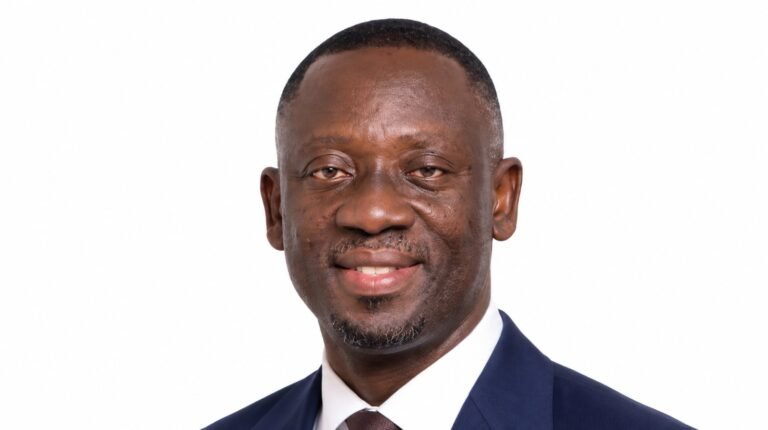
Former Chief Executive Officer of the Environmental Protection Agency (EPA), Dr. John Kingsley Krugu, has warned that Ghana’s growing dependence on Artificial Intelligence (AI) tools in education could produce a generation of graduates who are certificated but not skilled.
Dr. Krugu, who was the 2024 New Patriotic Party (NPP) Parliamentary Candidate for Bawku West – Zebilla and currently serves as Spokesperson for the NPP’s Environment and Natural Resources Sector Policy Committee for Election 2028, issued the warning in an interview on A1 Radio 101.1 MHz in Bolgatanga.
Speaking on the station’s latest news segment, the academic and development expert said while AI presents enormous opportunities for learning, research and productivity, its abuse as a shortcut rather than a learning aid is becoming dangerous.
According to him, many students now use generative AI tools like ChatGPT to write assignments, dissertations, and research work they cannot defend, losing the critical thinking, writing, analytical and problem-solving skills that university education is supposed to build.
“What we risk creating is a generation of ‘never-skilled’ graduates – people who have degrees but never actually acquired the skills those degrees are supposed to represent,” Dr. Krugu said.
He explained that when students outsource all their thinking to AI, they miss the essential transformation that comes with higher education.
“The danger is not that AI will become human, but that humans will become mechanical – accepting automated outputs without reflection,” he cautioned.
Dr. Krugu noted that employers are already complaining about graduates who cannot write clear reports, communicate effectively, manage time or apply basic subject knowledge, gaps that are masked by AI-assisted academic work but exposed in the workplace.
He stressed that Ghana must not become a passive consumer of foreign AI technologies but must rethink its approach to education:
1. AI as a ladder, not a shortcut: Students should use AI to ask better questions, compare ideas, and improve understanding, not to replace learning.
2. AI Literacy in the curriculum: Universities must teach responsible and ethical use of AI, its strengths, biases and limitations, alongside traditional research methods.
3. Assessment reform: Lecturers should design assessments that test understanding, judgment and application – tasks that cannot be easily completed by AI.
He further urged universities, parents and policymakers to have open dialogues on regulating AI use on campuses, while encouraging students to build local innovation rather than over-depending on imported tools.
“Intelligence is becoming abundant. Technology is becoming accessible. But judgment, originality, courage and responsibility remain scarce. If we don’t deliberately train students to think, we will graduate people who have never learned how to learn,” Dr. Krugu added.
The warning comes at a time when universities across Ghana and globally are grappling with how to balance the benefits of AI in education with the need to preserve academic integrity and graduate employability.
About The Author