Illegal gold mining is reportedly moving deeper into Ghana’s Atewa Forest, threatening one of West Africa’s important rainforest ecosystems while exposing communities to growing environmental, economic and social pressures, according to a five-month investigation by Save the Mining Communities-Ghana (SMC-Gh).
The investigation, conducted between April and August 2026, examined illegal mining activities and their effects across seven communities in Ghana’s Eastern Region: Asamang Tamfoe, Akyem Ankaase, Pameng, Apampatia, Osino, Sagyimase and Kyebi.
Researchers interviewed 350 miners and 120 residents and reported evidence of mining activity around and inside the Atewa Forest Range. According to the organisation, some miners operating in the area were from neighbouring countries including Burkina Faso, Togo, Mali, Côte d’Ivoire and Niger, highlighting the increasingly regional character of Ghana’s galamsey economy.
Mining pushes into protected forest
Atewa Forest is one of Ghana’s remaining rainforest ecosystems and is important for biodiversity and water protection. The SMC-Gh investigation reports that illegal miners have breached protected areas, where researchers observed mature trees being cleared and mining pits opened.
The environmental consequences could extend well beyond the immediate mining sites. Forest clearance can destroy habitats, disturb soils and increase sedimentation and pollution in waterways, while the loss of mature rainforest can be difficult to reverse.
For communities surrounding Atewa, the threat is therefore not limited to the loss of trees. Water resources, agriculture, livelihoods and long-term environmental security are also at stake.
The investigation further alleges that local intermediaries help some foreign miners gain access to areas inside the forest. These community insiders reportedly use their knowledge of the terrain and local networks to facilitate mining operations.
The findings illustrate the complexity of Ghana’s galamsey crisis. While illegal mining causes significant environmental damage, it also provides income for thousands of people, particularly young people facing limited employment opportunities.
Allegations of security personnel involvement
One of the most serious claims in the investigation concerns the alleged conduct of security personnel at mining sites.
Researchers reported seeing police vehicles at mining locations in Sagyimase, Osino and Asamang Tamfoe during daytime operations. The investigation alleges that officers did not stop the mining but instead collected money before leaving.
One miner reportedly told researchers that police officers were “friendly” and came for money before allowing miners to continue working.
The allegations have not been independently established and would require investigation by the relevant authorities. If proven, however, such conduct would raise serious questions about enforcement and institutional accountability.
SMC-Gh also argues that the National Anti-Illegal Mining Operations Secretariat (NAIMOS) has failed to make a meaningful impact in the communities studied.
Social costs mount
The investigation says the expansion of mining has also contributed to changes in community life. Businesses serving miners, including drinking spots, game centres and nightclubs, have reportedly expanded.
Residents interviewed by researchers cited concerns including theft, teenage pregnancies, gang activity and increasing insecurity.
For communities, the result can be a paradox: mining creates jobs and stimulates local commerce while simultaneously increasing environmental degradation and social vulnerability.
Beyond enforcement
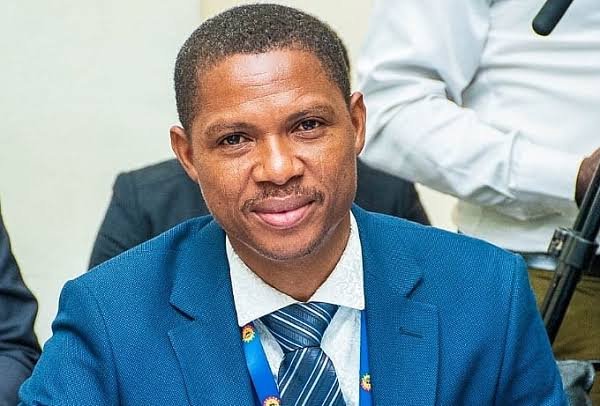
Andrews Kwame Perprem, lead investigator of the SMC-Gh study, argues that Ghana’s response must go beyond arrests and equipment seizures.
He says communities should be made active participants in protecting their environment, with traditional leaders playing a stronger role in education, skills development and alternative livelihoods.
The organisation says young people need realistic economic alternatives, including vocational training, apprenticeships, agriculture and small-business opportunities.
It also calls for greater accountability among anyone who facilitates or profits from illegal mining, including community intermediaries and, where allegations are substantiated, public officials or traditional authorities.
The Atewa crisis also has an international dimension. Gold extracted in Ghana enters global markets, meaning consumers and businesses far beyond the forest can be connected to the environmental consequences of mining.
SMC-Gh says stronger gold supply-chain transparency and responsible sourcing are therefore necessary alongside domestic enforcement.
The investigation presents Atewa as a critical test of Ghana’s ability to balance mineral wealth with environmental protection.
The choice, it argues, is not simply between mining and conservation, but between short-term extraction and long-term community and ecological security.
About The Author