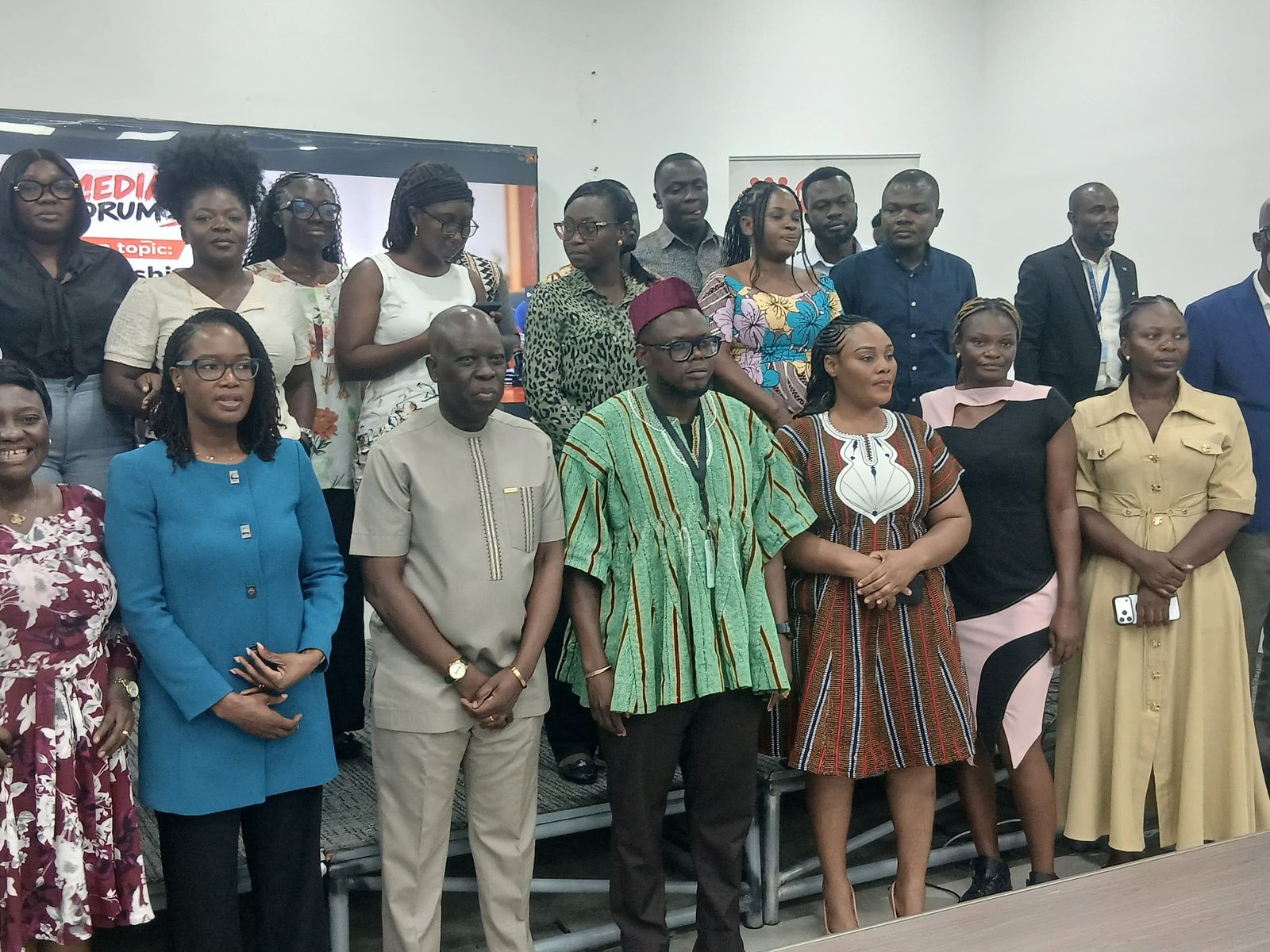
The United Nations Population Fund (UNFPA), the United Nations’ sexual and reproductive health agency, has urged journalists in Ghana to go beyond headlines, verify facts and report with accuracy, dignity and independence.
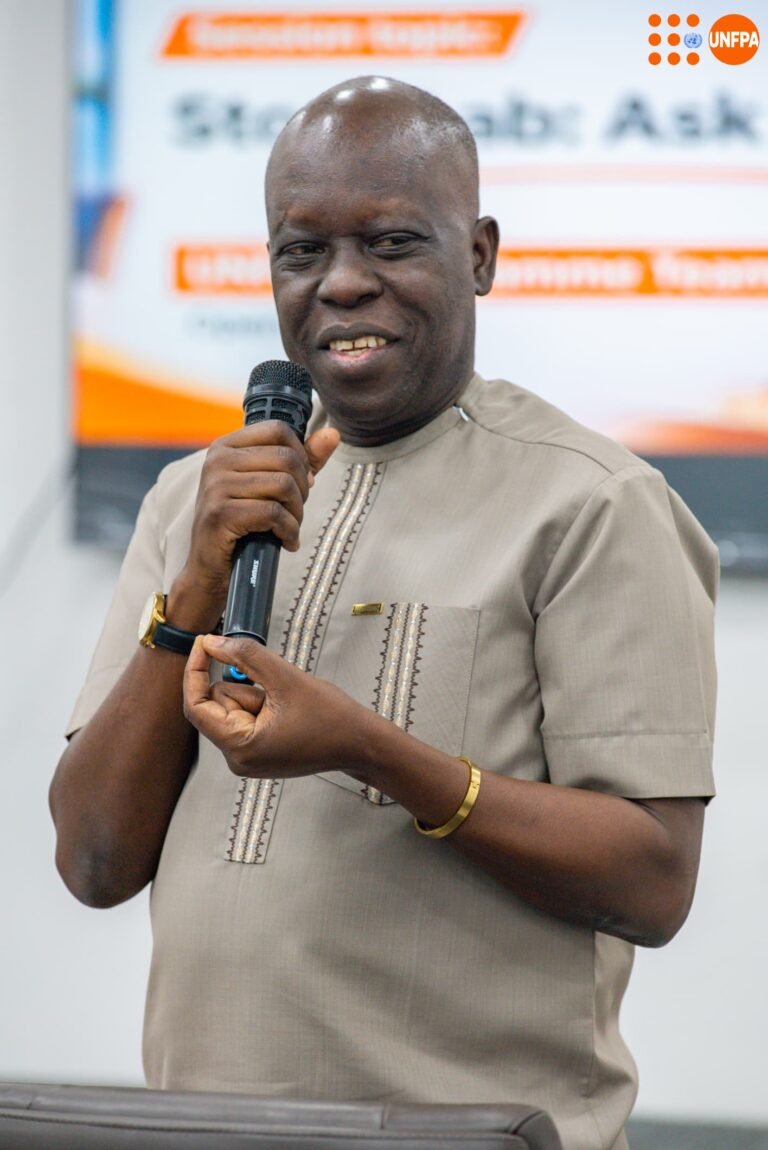
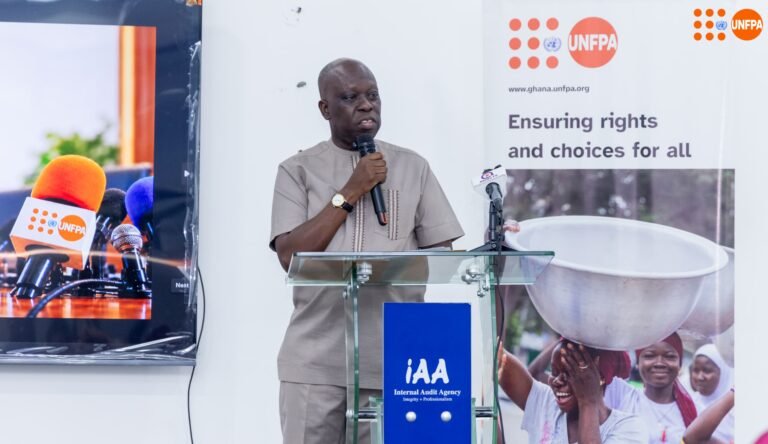
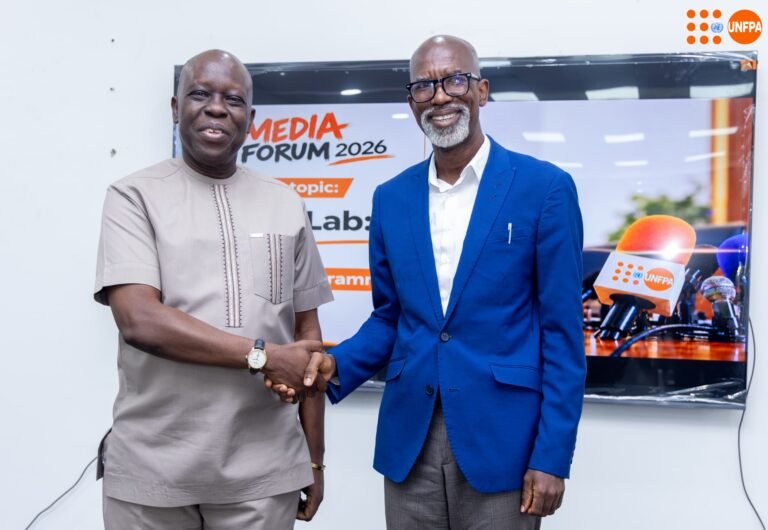
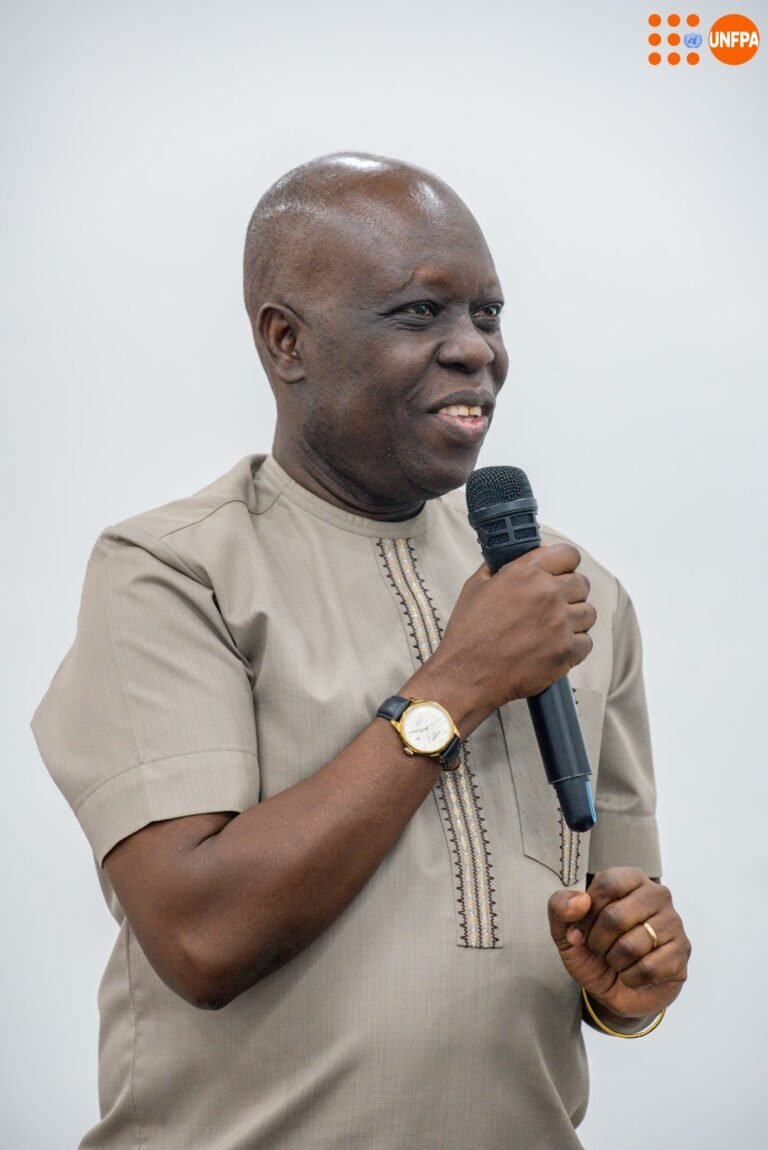
Dr. Wilfred Ochan, Country Representative of the UNFPA-Ghana, made the call during the Funds Media Forum at the Ministry of Finance Conference Room in Kanda, Accra, on Wednesday, November 4, 2026.
He was delivering the keynote address on the theme: “Beyond the Headlines: Partnership, Trust and Ghana’s Development Story.”
Dr. Ochan said good journalism must not stop at announcements and headlines, but must explain what policies and programmes truly mean for people.
He noted that accuracy must guide the work of journalists, especially when telling the stories of women, girls and young people.
He urged the media to verify facts, protect the privacy and dignity of those involved, particularly survivors of violence and vulnerable young people, and above all, remain independent.
“Go beyond the headlines, verify the facts, protect the privacy and dignity of those involved, particularly survivors of violence and vulnerable young people, and above all, remain independent,” Dr. Ochan said.
Dr. Ochan said journalists occupy a unique position in Ghana’s development. “As journalists, you connect policy to people. You ask whether partnerships are producing results. You help bring overlooked issues and voices into the national conversations,” he said.
He emphasised that the media helps the public understand what development means beyond institutions and statistics.
Dr. Ochan said UNFPA does not expect journalists to promote the organisation. “We do not expect you to become the publicity arm of UNFPA. That is not your responsibility,” he said.
Instead, he urged journalists to ask hard questions. “We want you to ask questions: Are the partnerships producing results? Are we reaching those who need support? Are we listening to the communities we work with? What could we do better?”
He also asked journalists to speak freely and tell UNFPA what it should do differently. “Tell us what you think we should be doing differently. Tell us what you are hearing from the people you serve and help us understand where we can communicate better,” he said.
Dr. Ochan said partnership must be built on listening, local ownership and respect for Ghana’s social and cultural context. “No institution can bring about lasting change on its own. Certainly not UNFPA,” he said.
He said UNFPA’s commitment to Ghana is measured by tangible outcomes that improve the lives of women, girls and young people, supported by national leadership.
On development, he said: “Development does not happen only in offices or conference rooms. It happens in communities, in homes, in schools and in health facilities.”
He urged journalists to help the public understand issues in their proper context and to deepen a relationship with UNFPA based on access, evidence, trust and honest engagement.
“We welcome your voice, because ultimately, what matters is not how well we tell the story of our work, but the difference that work makes in people’s lives,” Dr. Ochan further stated.
About The Author