The United Nations Population Fund (UNFPA) has reaffirmed its goal to end preventable maternal deaths in Ghana by 2030, so that no woman dies from a pregnancy or childbirth cause that could have been avoided, mothers survive, families stay together, children grow up healthy, and Ghana’s health system becomes strong enough to protect every woman in pregnancy and childbirth.
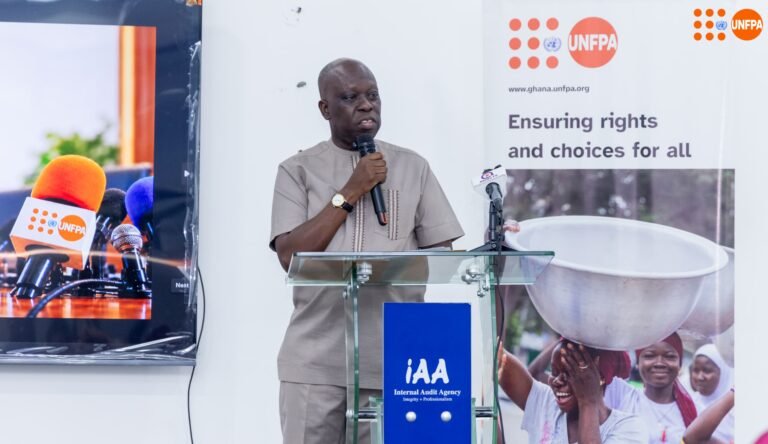
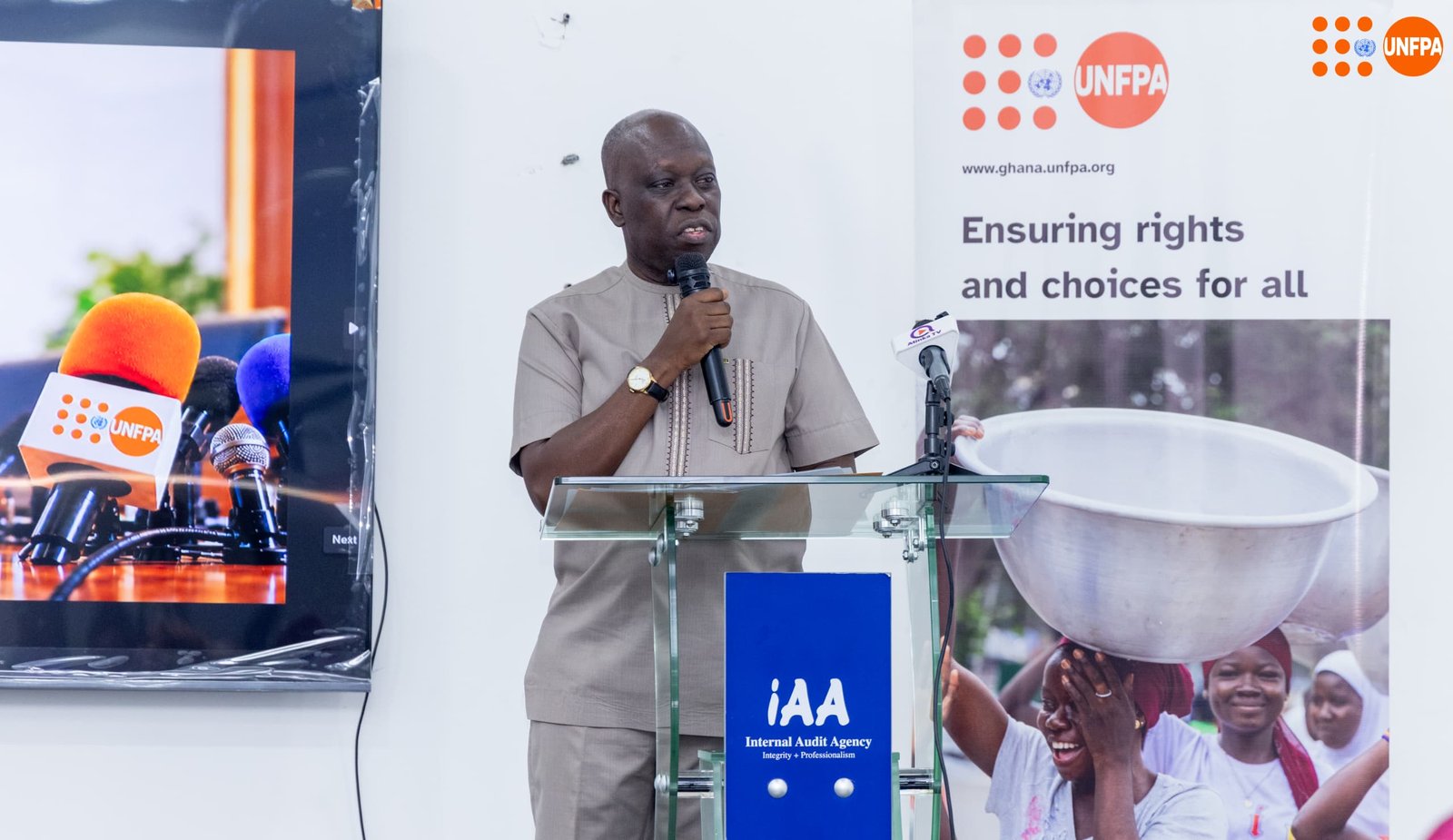
Speaking at the UNFPA Media Forum at the Ministry of Finance Conference Room in Kanda, Accra, on Wednesday, November 4, 2026, UNFPA Ghana Country Representative, Dr. Wilfred Ochan, said ending preventable maternal deaths remains one of UNFPA’s three core transformative results by 2030.
Dr. Ochan reiterated that the goal is central to UNFPA’s vision of a world where every pregnancy is wanted, every childbirth is safe and every young person’s potential is fulfilled.
He said UNFPA will continue to work with Ghana’s leadership, health systems and partners to ensure that no woman dies from causes that can be prevented.
Dr. Ochan said: “UNFPA’s ambition remains clear: a world where every pregnancy is wanted, every childbirth is safe and every young person’s potential is fulfilled.”
He added: “Driven by our core transformative results by 2030, ending preventable maternal deaths, ending unmet need for family planning, and ending gender-based violence and harmful practices, we continue to serve as a trusted technical voice on SRH, demographic shifts, and harnessing the demographic dividend for sustainable economic growth in Ghana.”
He was delivering the keynote address on the theme: “Beyond the Headlines: Partnership, Trust and Ghana’s Development Story.”
Dr. Ochan explained what maternal health means beyond statistics. He said: “When we speak about maternal health, we are speaking about women, families and the quality of care available to them.”
He said UNFPA is advancing maternal health in Ghana through concrete initiatives. He cited: “Expanding modern contraceptive prevalence, safeguarding commodity security, and advancing maternal health through initiatives such as Presidential Initiative on Maternal Health Emergency Response (PRIMER) and the Partnership to End Fistula in Ghana (PEFIG), etc.”
Dr. Ochan said accountability is key to saving mothers’ lives. He said UNFPA works closely with national structures to learn from gaps and improve care. He said: “We work closely with national structures, such as the Maternal and Perinatal Death Surveillance and Response (MPDSR) system, to review challenges, learn from our gaps, and ensure that communities are active participants in shaping solutions rather than passive beneficiaries.”
He stressed that development must be felt in people’s lives. He said: “Development does not happen only in offices or conference rooms. It happens in communities, in homes, in schools and in health facilities. It happens when a woman can access the care she needs, when a girl is supported to continue her education, or when a young person can make informed decisions about their future.”
He asked partners and the media to keep asking the hard question: “Are our efforts making a difference where it matters most, in people’s lives: in saving lives, protecting people, creating or expanding opportunities anchored in institutional systems for purpose of sustainability and scale-up?”
Dr. Ochan said UNFPA’s commitment to Ghana is measured by results. He said: “Our commitment to Ghana is measured by tangible outcomes that improve the lives of women, girls, and young people, supported by national leadership.”
He said no institution can achieve this alone. He said: “No institution can bring about lasting change on its own. Certainly not UNFPA.”
He further urged the media to help the public understand maternal health issues in their proper context and to hold partnerships to account.
“We welcome your voice, because ultimately, what matters is not how well we tell the story of our work, but the difference that work makes in people’s lives,” he added.
About The Author