The United Nations Population Fund (UNFPA) has said girls in Ghana deserve dignity, wellbeing and a future, and that their health and rights must be protected.
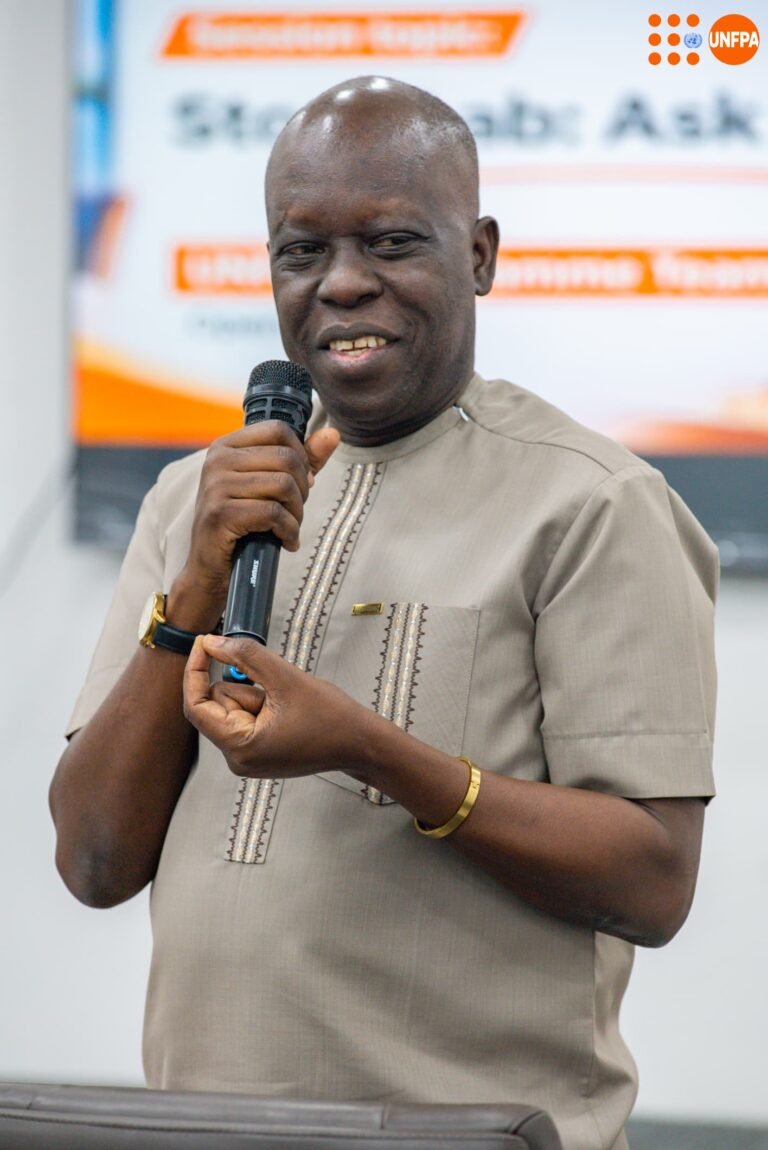
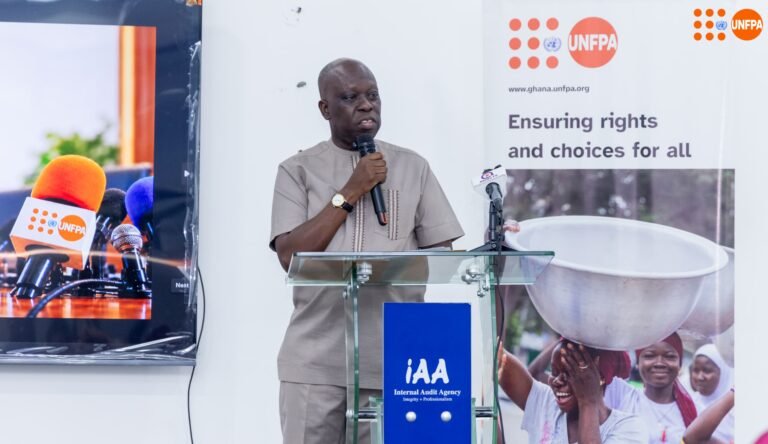
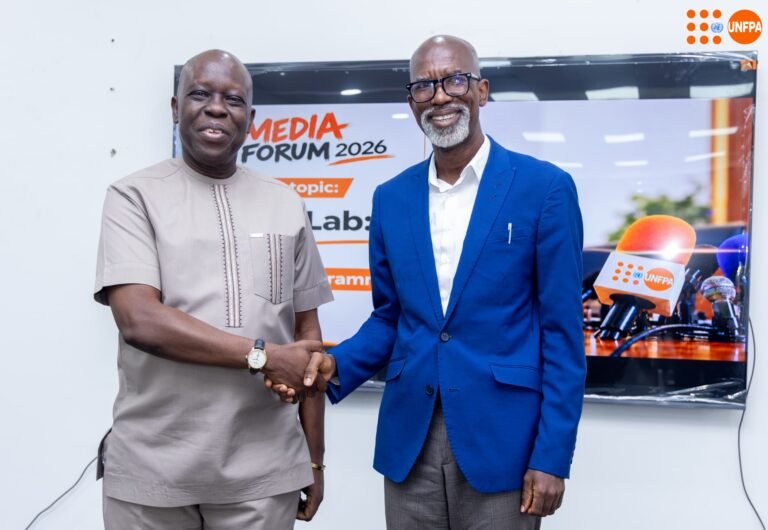
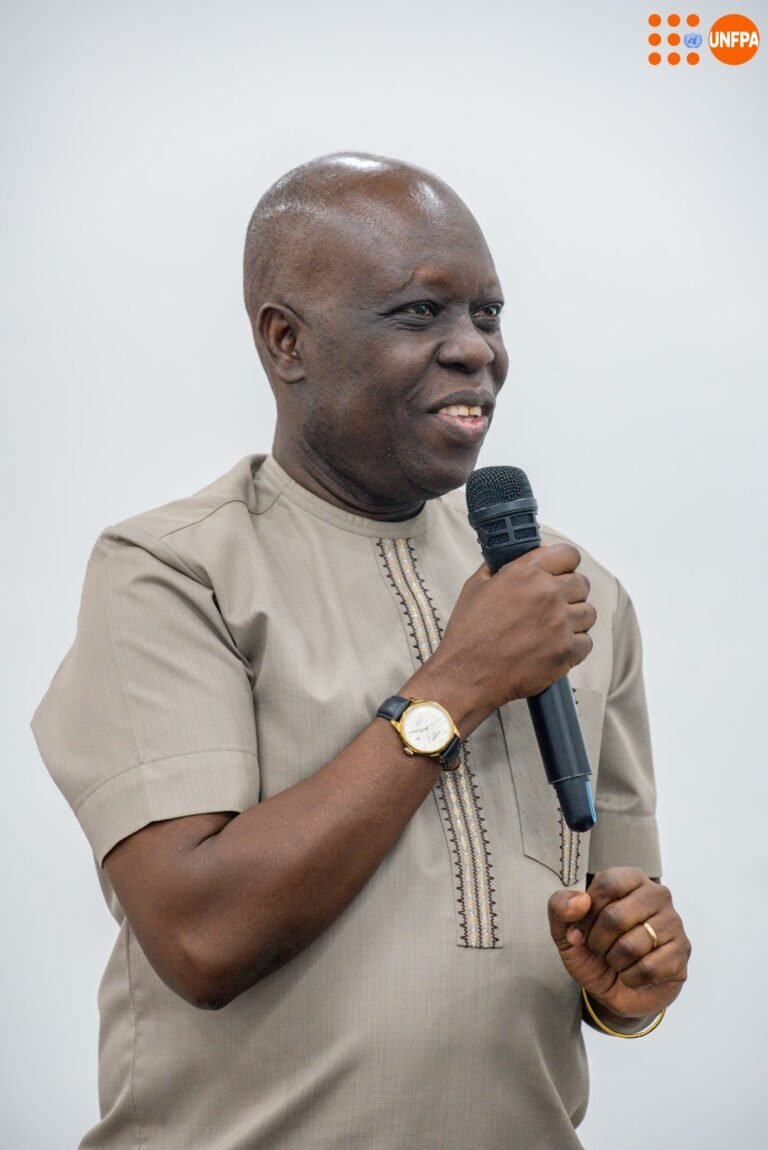
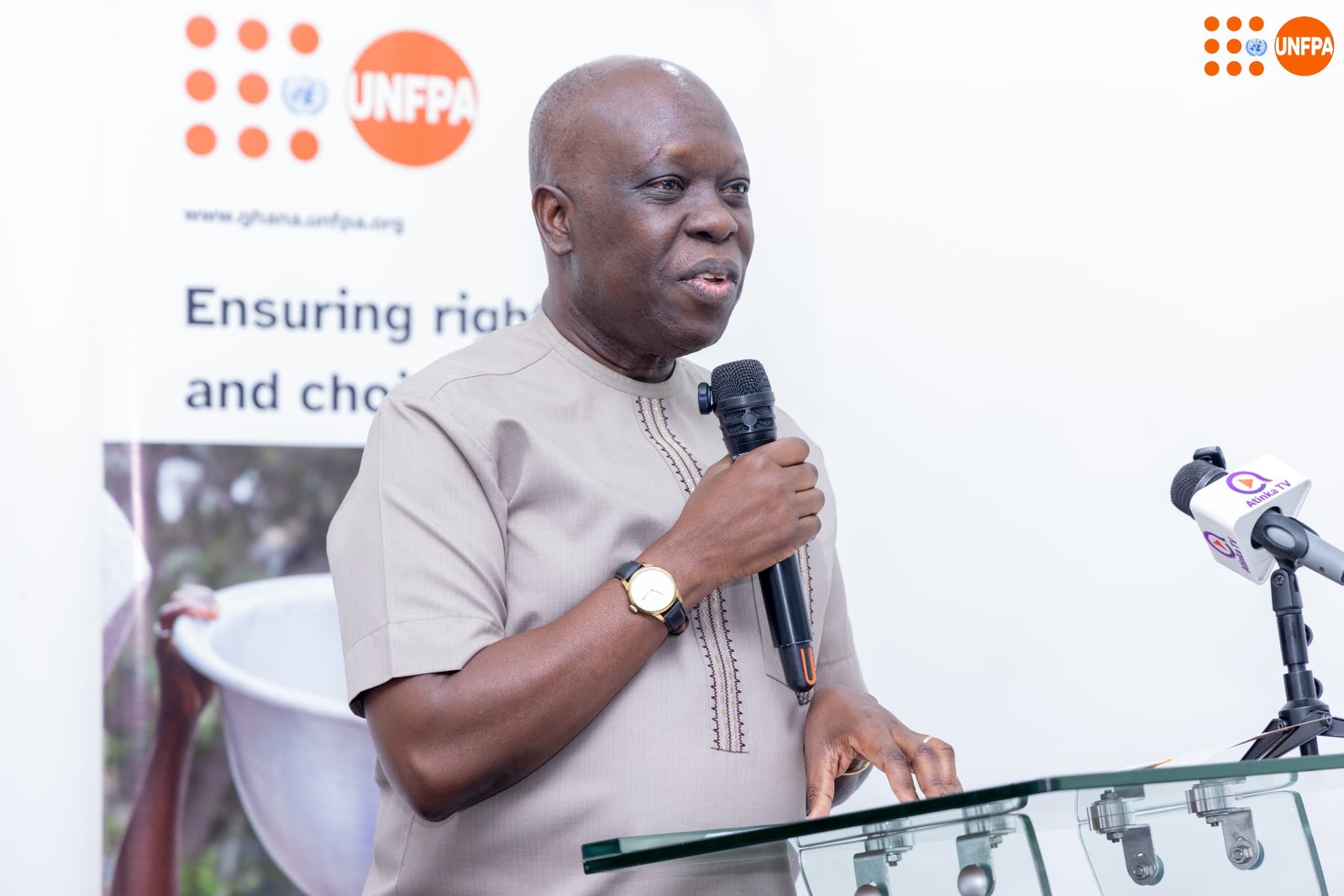
Speaking at the UNFPA Media Forum at the Ministry of Finance Conference Room in Kanda, Accra, on Wednesday, November 4, 2026, UNFPA Ghana Country Representative, Dr. Wilfred Ochan, said when UNFPA speaks about girls, it is speaking about their dignity, their wellbeing and their future.
Dr. Ochan said girls should not be defined by the challenges they face, but by the opportunities they are given to learn, to stay healthy, to make informed decisions and to fulfil their potential.
He explained that protecting girls means protecting their dignity in every community, safeguarding their wellbeing through health and education, and securing a future free from child marriage, violence and harmful practices.
Dr. Ochan said: “When we speak about the health and rights of girls, we are speaking about their dignity, wellbeing and their future.”
He was delivering the keynote address on the theme: “Beyond the Headlines: Partnership, Trust and Ghana’s Development Story.”
Dr. Ochan said UNFPA’s commitment to Ghana is measured by real change in the lives of girls. He said: “Our commitment to Ghana is measured by tangible outcomes that improve the lives of women, girls, and young people, supported by national leadership.”
He said development must be felt where girls live, learn and grow. He said: “Development does not happen only in offices or conference rooms. It happens in communities, in homes, in schools and in health facilities. It happens when a woman can access the care she needs, when a girl is supported to continue her education, or when a young person can make informed decisions about their future.”
On dignity, Dr. Ochan said UNFPA’s partnership is built on respect and trust. He said: “Our partnership is built around listening, local ownership and respect for Ghana’s social and cultural context. Respecting cultures does not mean avoiding difficult conversations. It means engaging communities with dignity, evidence and trust, and recognizing that sustainable change is stronger when people see themselves in it.”
On wellbeing, he pointed to UNFPA’s work with adolescents and young people. He said UNFPA is: “Reaching hundreds of thousands of adolescents and young people with integrated sexual and reproductive health (SRH) education, and empowerment in youth leadership development through platforms like YoLe Plus, Adolescent Girls Programme, etc.”
On a future free from harm, he said UNFPA is working with local leaders to end child marriage and to protect vulnerable groups. He said: “Our work with paramountcies on ending child marriage or with Ghana Private Road Transport Union to create awareness on GBV, gives ownership to local actors.”
He also mentioned that UNFPA is working through partnerships to: “Engag[e] traditional and religious leaders, as well as transport unions and community networks, to protect vulnerable groups and end harmful practices, e.g. child marriage.”
Dr. Ochan said UNFPA’s wider goal for girls is part of its 2030 transformative results. He said: “Driven by our core transformative results by 2030, ending preventable maternal deaths, ending unmet need for family planning, and ending gender-based violence and harmful practices, we continue to serve as a trusted technical voice on SRH, demographic shifts, and harnessing the demographic dividend for sustainable economic growth in Ghana.”
He said UNFPA’s ambition remains clear: “UNFPA’s ambition remains clear: a world where every pregnancy is wanted, every childbirth is safe and every young person’s potential is fulfilled.”
He urged the media to tell girls’ stories with care. He said: “And as you tell the stories of women, girls and young people, let accuracy, dignity and independence guide your work. Go beyond the headlines, verify the facts, protect the privacy and dignity of those involved, particularly survivors of violence and vulnerable young people, and above all, remain independent. Help the public understand the issues in their proper context.”
About The Author