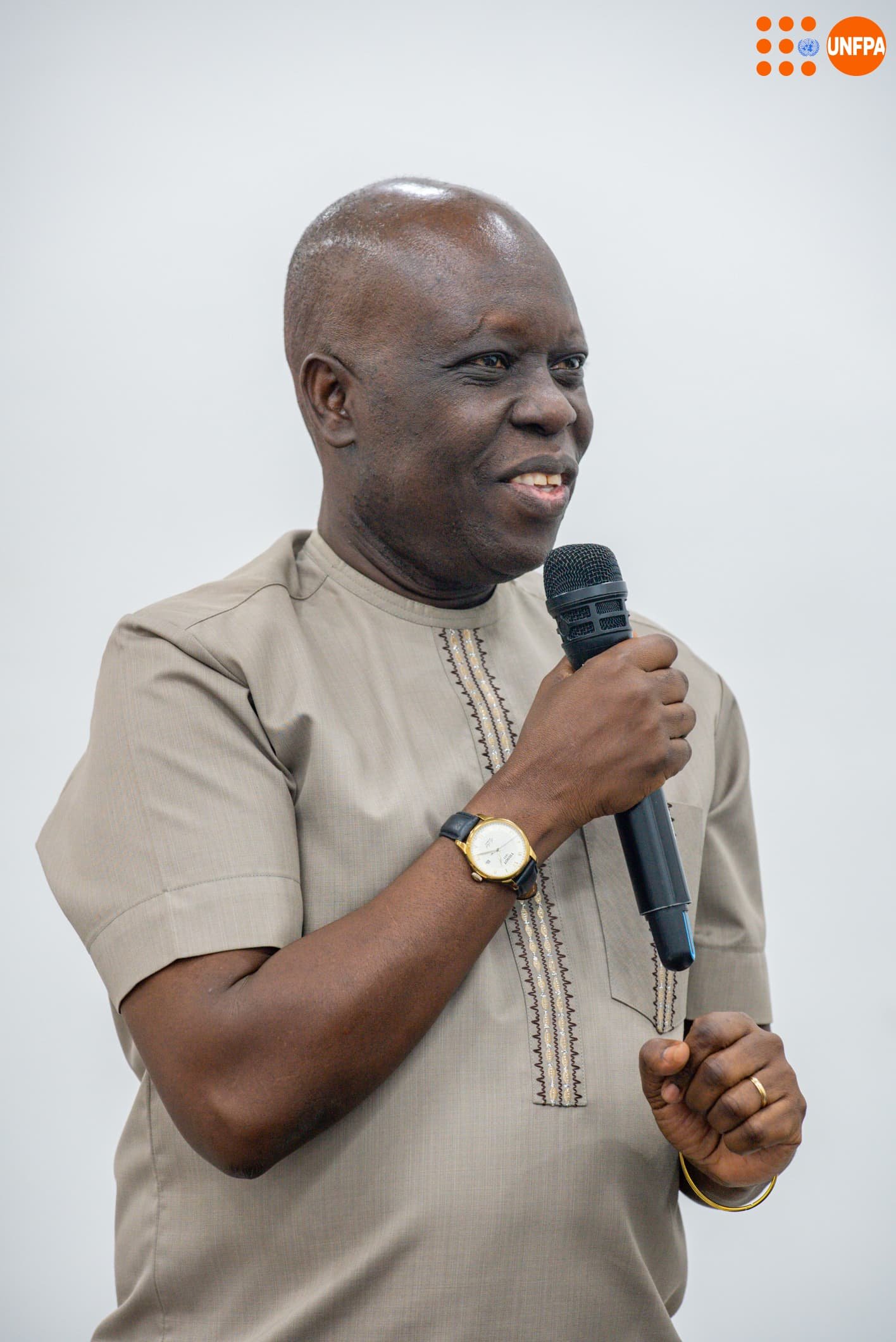
The United Nations Population Fund (UNFPA) has said young people in Ghana need opportunity, choices and a voice, and that their ability to contribute to society depends on it.
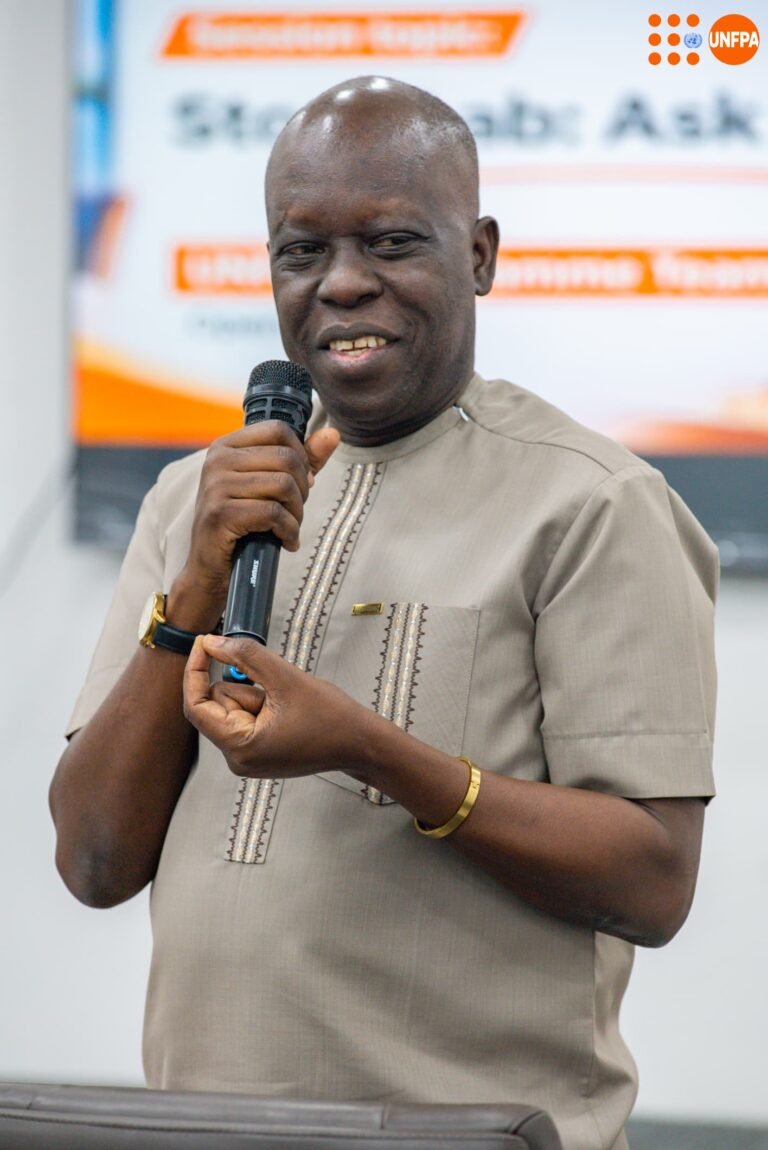
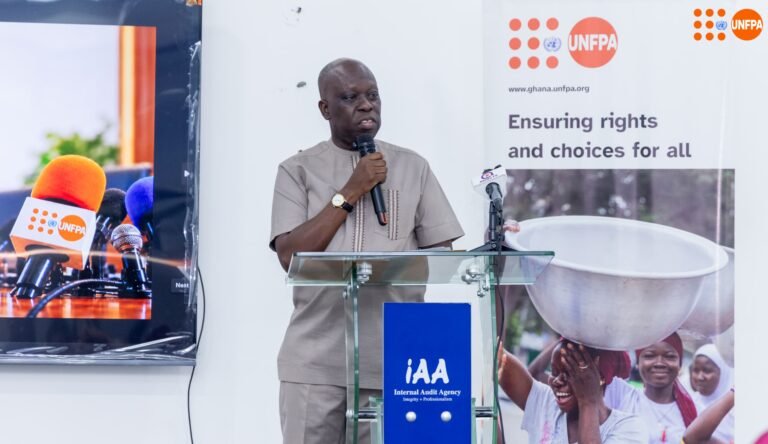
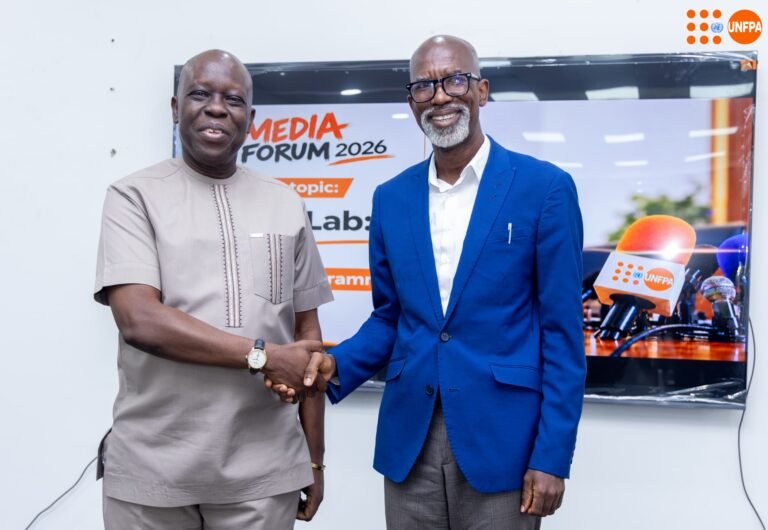
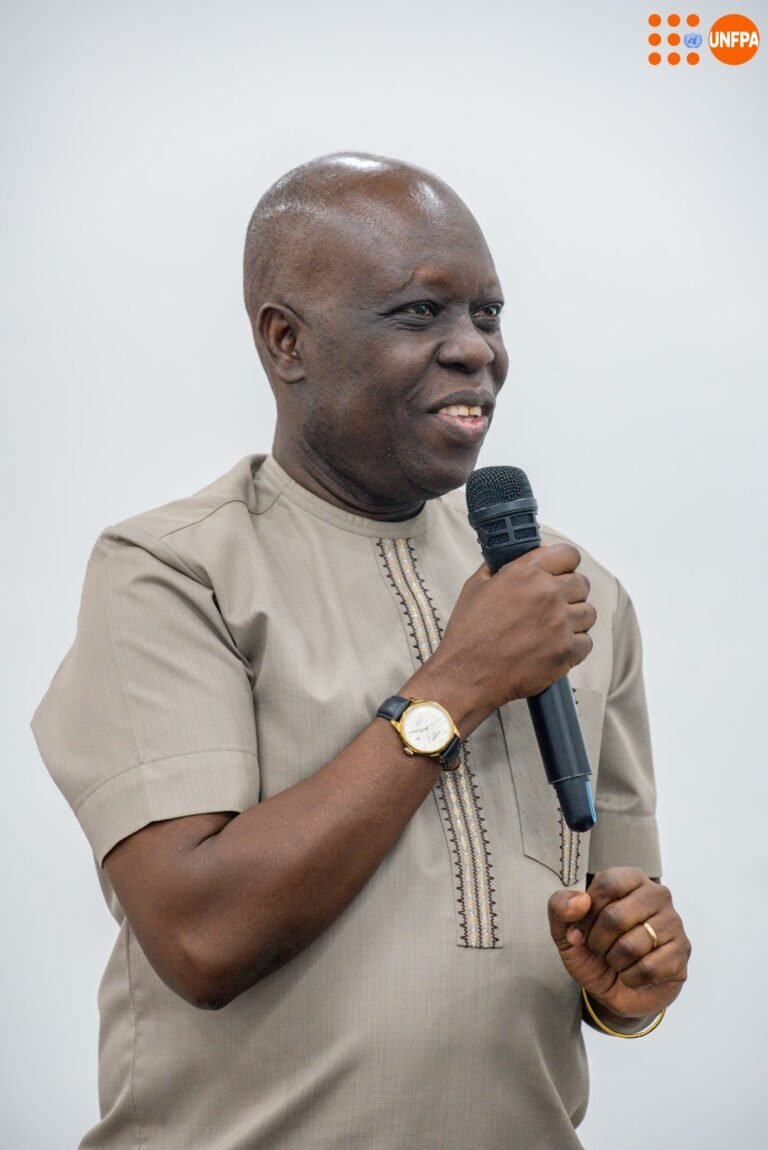
Speaking at the UNFPA Media Forum at the Ministry of Finance Conference Room in Kanda, Accra, on Wednesday, November 4, 2026, UNFPA Ghana Country Representative, Dr. Wilfred Ochan, said when UNFPA speaks about young people, it is speaking about opportunity, choices and their ability to contribute to society.
Dr. Ochan stressed that young people should not be treated as passive beneficiaries, but as active participants who must be given the chance to make informed decisions about their future, to lead, and to shape the solutions that affect their lives.
He said opportunity means access to education, health and leadership development, choices mean the freedom to make informed decisions about their bodies and their future, and a voice means being listened to in communities, in institutions and in national development.
Dr. Ochan said: “When we speak about young people, we are speaking about opportunity, choices and their ability to contribute to society.”
He was delivering the keynote address on the theme: “Beyond the Headlines: Partnership, Trust and Ghana’s Development Story.”
Dr. Ochan said UNFPA’s commitment to Ghana is measured by real change in the lives of young people. He said: “Our commitment to Ghana is measured by tangible outcomes that improve the lives of women, girls, and young people, supported by national leadership.”
On opportunity, he pointed to UNFPA’s work with adolescents and young people across the country. He said UNFPA is: “Reaching hundreds of thousands of adolescents and young people with integrated sexual and reproductive health (SRH) education, and empowerment in youth leadership development through platforms like YoLe Plus, Adolescent Girls Programme, etc.”
On choices, he said development must be felt where young people live and learn. He said: “Development does not happen only in offices or conference rooms. It happens in communities, in homes, in schools and in health facilities. It happens when a woman can access the care she needs, when a girl is supported to continue her education, or when a young person can make informed decisions about their future.”
On a voice, he said young people must help shape solutions. He said: “We work closely with national structures, such as the Maternal and Perinatal Death Surveillance and Response (MPDSR) system, to review challenges, learn from our gaps, and ensure that communities are active participants in shaping solutions rather than passive beneficiaries.”
He said UNFPA works with young people and other partners to build shared priorities. He said: “From our engagement with the Presidency and Government institutions, to our work with universities, traditional authorities, civil society, young people and development partners, we are seeing the importance of bringing different strengths around shared priorities.”
He said innovation must also give young people a platform. He said UNFPA is focused on: “Leveraging youth-led digital solutions, hackathons, and innovative platforms to address reproductive health challenges.”
Dr. Ochan said UNFPA’s vision for young people is part of its 2030 ambition. He emphasised that: “UNFPA’s ambition remains clear: a world where every pregnancy is wanted, every childbirth is safe and every young person’s potential is fulfilled.”
He said UNFPA will continue to serve as a trusted voice on population and development. He said: “Driven by our core transformative results by 2030, ending preventable maternal deaths, ending unmet need for family planning, and ending gender-based violence and harmful practices, we continue to serve as a trusted technical voice on SRH, demographic shifts, and harnessing the demographic dividend for sustainable economic growth in Ghana.”
He urged the media to bring young people’s voices into national conversation. He said: “You help bring overlooked issues and voices into the national conversations. You help the public understand what development means beyond institutions and statistics.”
He also asked the media to question UNFPA’s work. He said: “We want you to ask questions: Are the partnerships producing results? Are we reaching those who need support? Are we listening to the communities we work with? What could we do better?”
About The Author