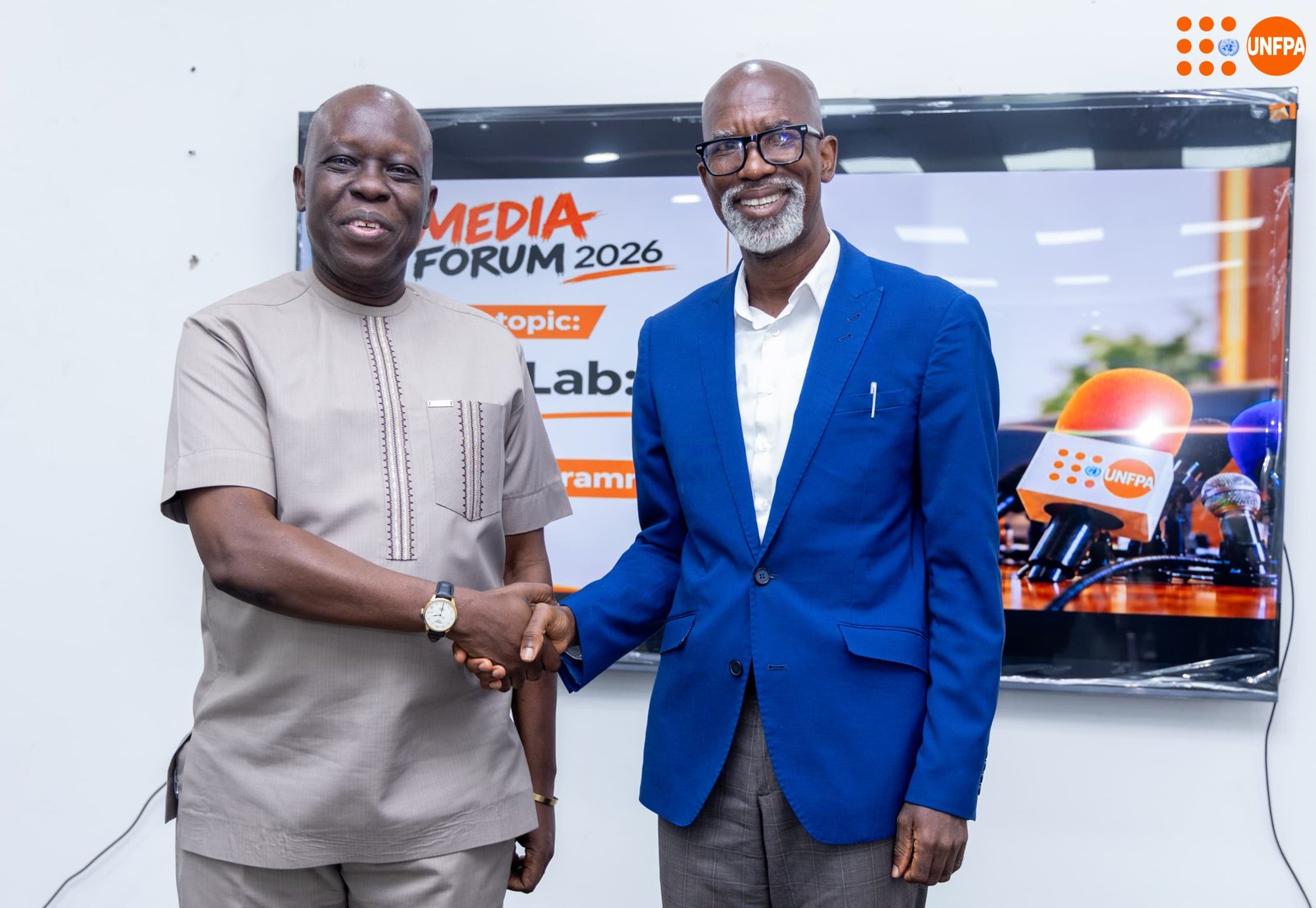
The United Nations Population Fund (UNFPA) has said population data must guide Ghana’s planning and budgeting, so that national policies, programmes and resources respond to the real needs of the people.
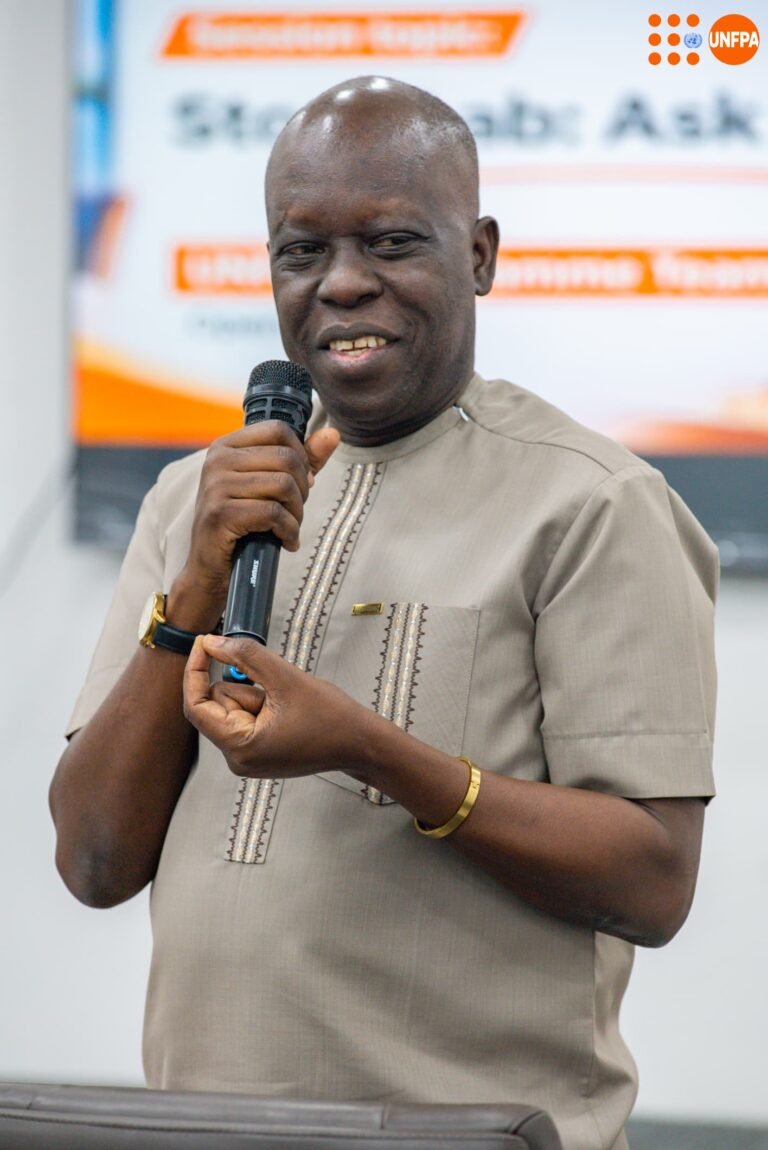
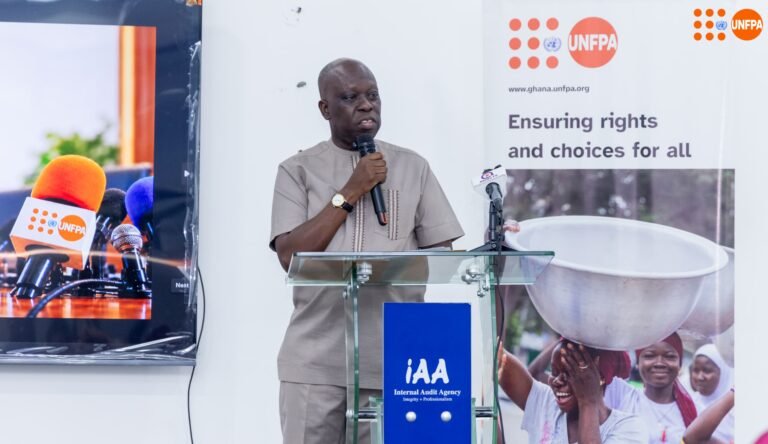
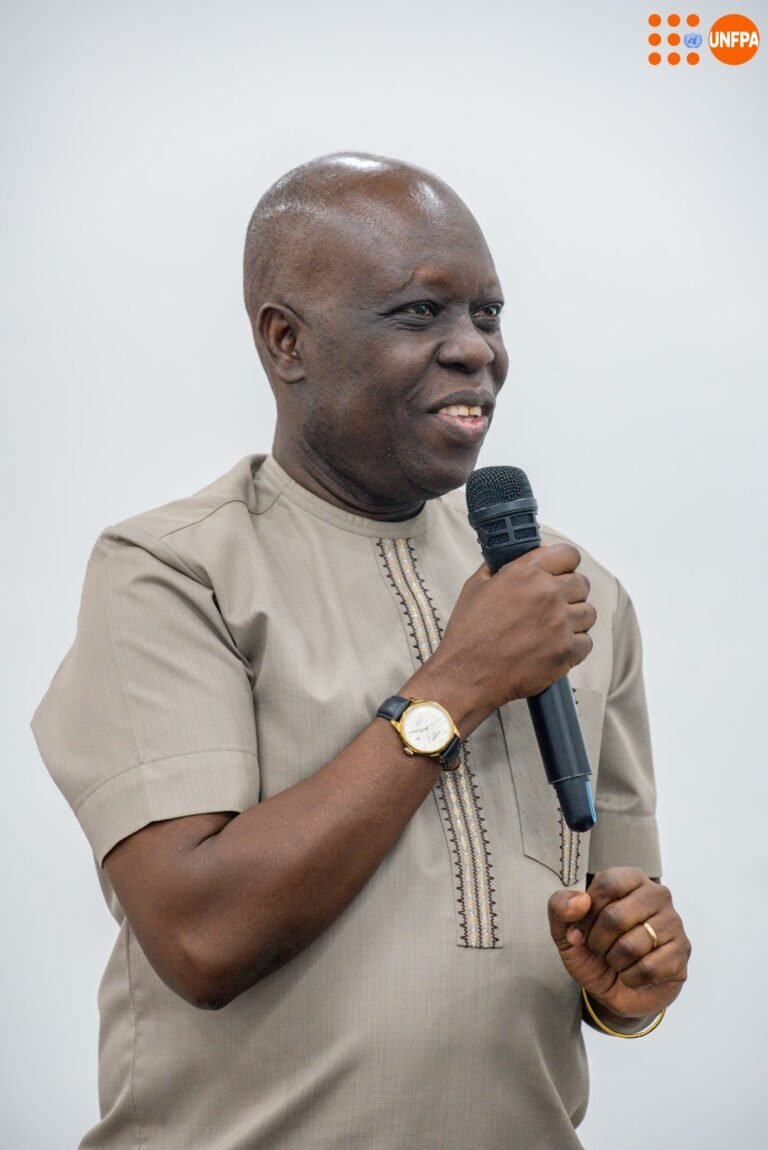
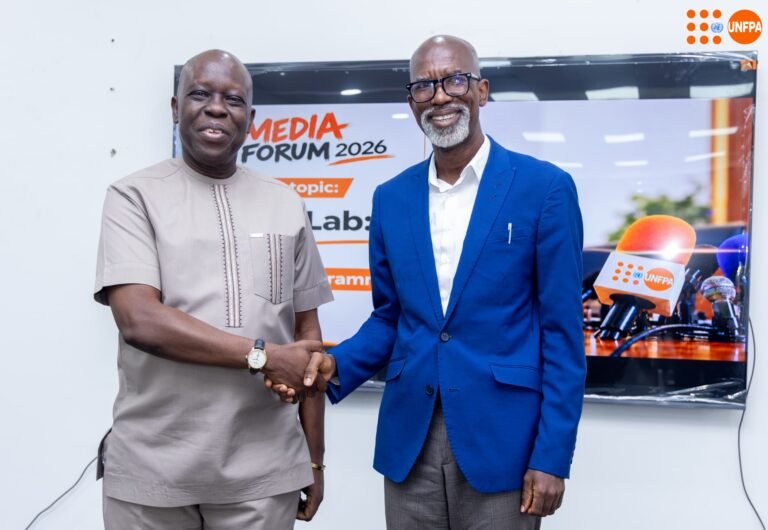
Speaking at the UNFPA Media Forum at the Ministry of Finance Conference Room in Kanda, Accra, on Wednesday, November 4, 2026, UNFPA Ghana Country Representative, Dr. Wilfred Ochan, said population evidence should be at the centre of development, not an afterthought in planning.
Dr. Ochan said when Ghana plans with accurate population data, government can decide where to build schools, health facilities and services, how to allocate resources, and how to plan for the future of women, girls and young people.
He noted that planning without population data risks wasting resources and leaving vulnerable groups behind, while planning with data ensures that national development is evidence based, inclusive and focused on where it matters most.
Dr. Ochan said UNFPA is: “Collaborating with institutions like the Ghana Statistical Service to produce regional population profiles and demographic insights that guide national planning, policies and reporting or working with Office of the President in repositioning population as central to development.”
He was delivering the keynote address on the theme: “Beyond the Headlines: Partnership, Trust and Ghana’s Development Story.”
He thanked the Ministry of Finance for hosting the forum. He said: “Let me also warmly acknowledge our government counterparts, especially the Ministry of Finance, for offering us this wonderful space to interact with the media.”
Dr. Ochan said UNFPA brings evidence and international experience to support Ghana, but Ghana brings leadership and understanding of its people. He said: “We may bring technical expertise, policy advice, normative standards, convening power, evidence and international experience. But Ghana brings its own leadership, institutions, knowledge, culture and understanding of what its people need.”
He said UNFPA’s partnership is built on evidence and trust. He said: “Our partnership is built around listening, local ownership and respect for Ghana’s social and cultural context. Respecting cultures does not mean avoiding difficult conversations. It means engaging communities with dignity, evidence and trust, and recognizing that sustainable change is stronger when people see themselves in it.”
On why population data matters for development, he stressed that UNFPA continues to serve as a trusted voice on population change. He said: “We continue to serve as a trusted technical voice on SRH, demographic shifts, and harnessing the demographic dividend for sustainable economic growth in Ghana.”
He said the goal is to use Ghana’s population structure as an opportunity for growth. He said UNFPA’s work is driven by its 2030 results. He said: “Driven by our core transformative results by 2030, ending preventable maternal deaths, ending unmet need for family planning, and ending gender-based violence and harmful practices, we continue to serve as a trusted technical voice on SRH, demographic shifts, and harnessing the demographic dividend for sustainable economic growth in Ghana.”
He said UNFPA’s ambition remains clear: “UNFPA’s ambition remains clear: a world where every pregnancy is wanted, every childbirth is safe and every young person’s potential is fulfilled.”
He said accountability also requires evidence. He said: “Accountability requires institutional transparency, respect for culture, and active listening.”
He urged the media to help the public understand what population data means for development. He said: “As journalists, you connect policy to people. You ask whether partnerships are producing results. You help bring overlooked issues and voices into the national conversations. You help the public understand what development means beyond institutions and statistics.”
About The Author