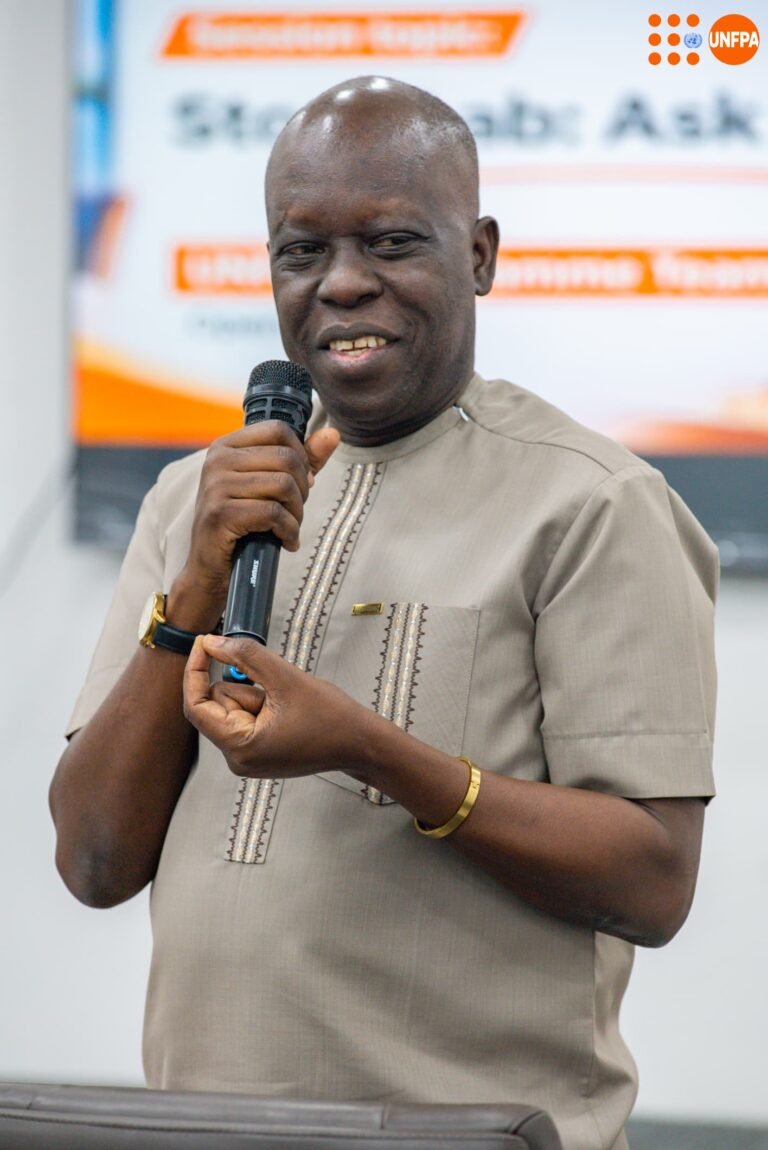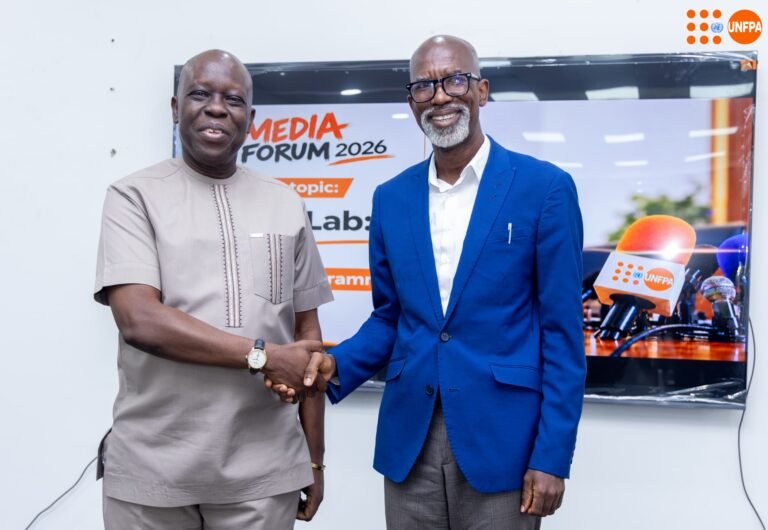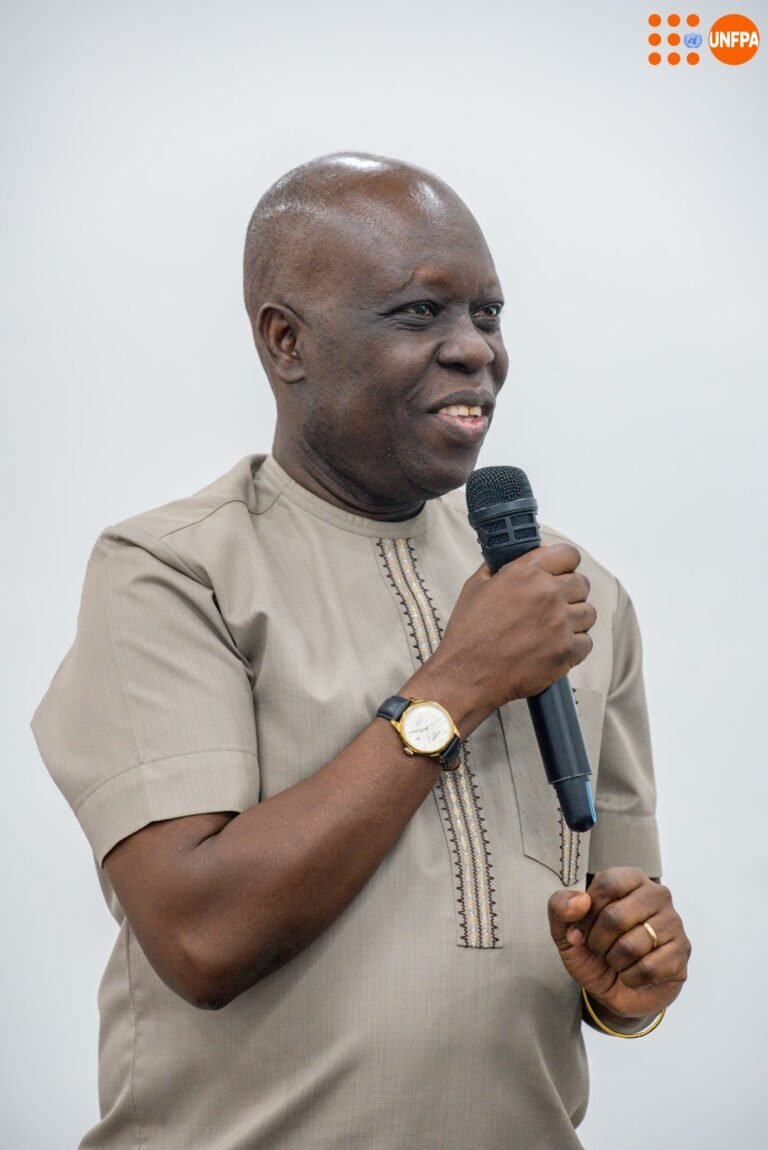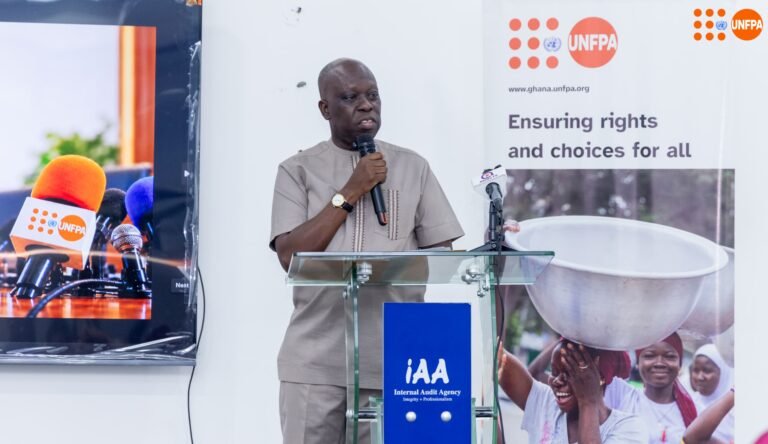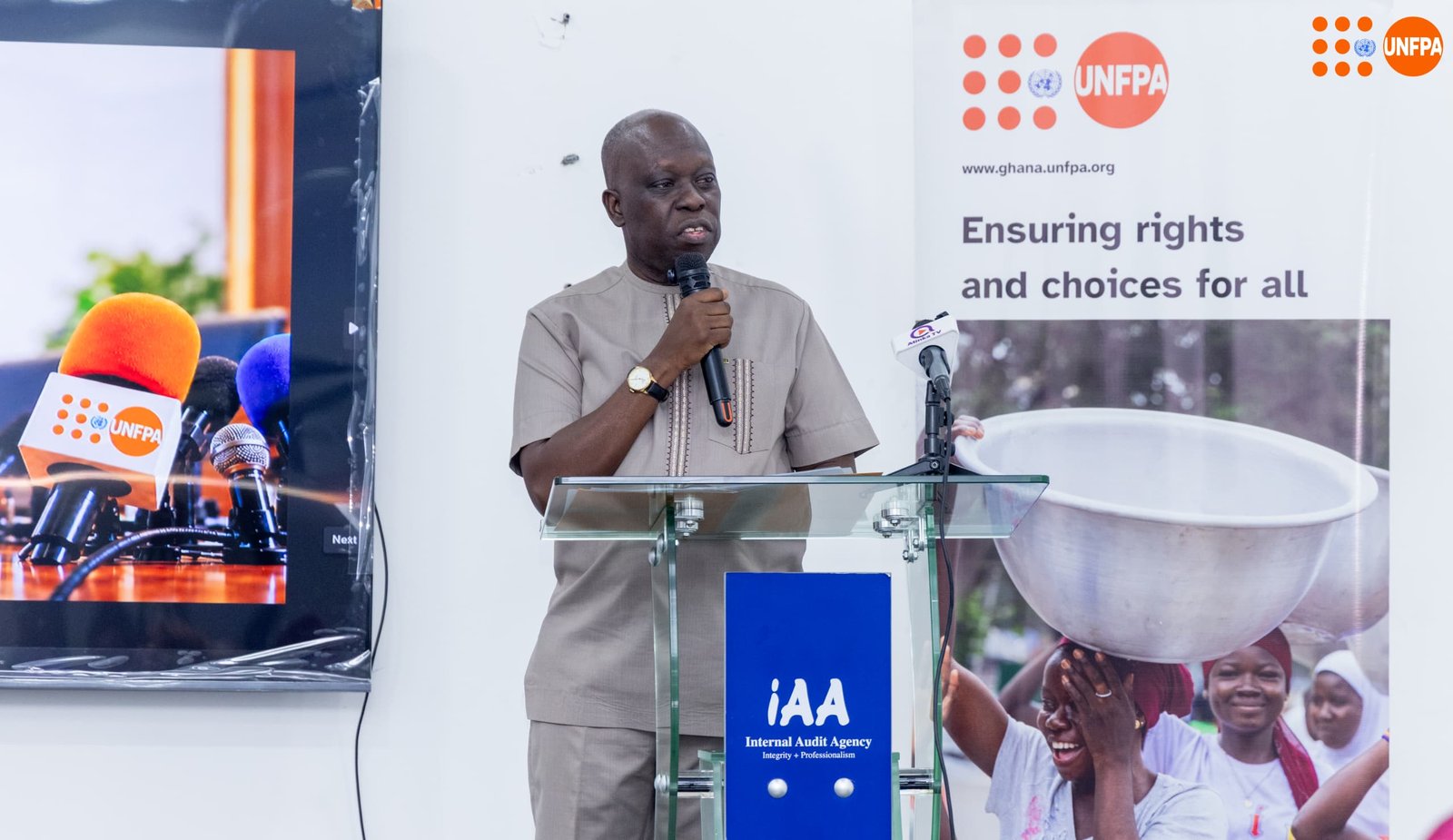
The United Nations Population Fund (UNFPA) has said Ghana’s demographic dividend is key to the country’s economic growth, and that investing in young people today will determine the strength of Ghana’s economy tomorrow.
Speaking at the UNFPA Media Forum at the Ministry of Finance Conference Room in Kanda, Accra, on Wednesday, November 4, 2026, UNFPA Ghana Country Representative, Dr. Wilfred Ochan, said Ghana must harness its population structure, especially its large young population, to drive sustainable economic growth.
Dr. Ochan said when young people are healthy, educated, skilled and able to make informed decisions about their lives, they become productive workers, entrepreneurs and leaders who contribute to national development.
He stressed that if Ghana fails to invest in its young people, the country risks losing the opportunity that comes with a youthful population, but if it invests well, population becomes an asset for jobs, productivity and long-term prosperity.
Dr. Ochan said UNFPA continues to serve Ghana as: “A trusted technical voice on SRH, demographic shifts, and harnessing the demographic dividend for sustainable economic growth in Ghana.”
He was delivering the keynote address on the theme: “Beyond the Headlines: Partnership, Trust and Ghana’s Development Story.”
He said UNFPA is working with the Office of the President to put population at the centre of development. He said UNFPA is: “Working with Office of the President in repositioning population as central to development.”
He said UNFPA is also working with the Ghana Statistical Service to produce evidence to guide planning. He said: “Collaborating with institutions like the Ghana Statistical Service to produce regional population profiles and demographic insights that guide national planning, policies and reporting.”
Dr. Ochan said the demographic dividend depends on opportunity for young people. He said: “When we speak about young people, we are speaking about opportunity, choices and their ability to contribute to society.”
He mentioned that UNFPA is reaching young people with the knowledge and skills they need to succeed. He said: “Reaching hundreds of thousands of adolescents and young people with integrated sexual and reproductive health (SRH) education, and empowerment in youth leadership development through platforms like YoLe Plus, Adolescent Girls Programme, etc.”
On health as an economic foundation, he said UNFPA’s work is driven by its 2030 transformative results. He said: “Driven by our core transformative results by 2030, ending preventable maternal deaths, ending unmet need for family planning, and ending gender-based violence and harmful practices, we continue to serve as a trusted technical voice on SRH, demographic shifts, and harnessing the demographic dividend for sustainable economic growth in Ghana.”
He said UNFPA’s ambition is to ensure every young person can fulfil their potential. He said: “UNFPA’s ambition remains clear: a world where every pregnancy is wanted, every childbirth is safe and every young person’s potential is fulfilled.”
He said development must be felt in real lives. He said: “Development does not happen only in offices or conference rooms. It happens in communities, in homes, in schools and in health facilities. It happens when a woman can access the care she needs, when a girl is supported to continue her education, or when a young person can make informed decisions about their future.”
He said the question Ghana must always ask is whether efforts are creating opportunities. He said: “Are our efforts making a difference where it matters most, in people’s lives: in saving lives, protecting people, creating or expanding opportunities anchored in institutional systems for purpose of sustainability and scale-up?”
He said partnerships are essential to unlock the dividend. He said: “From our engagement with the Presidency and Government institutions, to our work with universities, traditional authorities, civil society, young people and development partners, we are seeing the importance of bringing different strengths around shared priorities.”
He also pointed to innovation by young people. He said UNFPA is focused on: “Leveraging youth-led digital solutions, hackathons, and innovative platforms to address reproductive health challenges.”
He said resources must also be mobilised to support the agenda. He said UNFPA is focused on: “Mobilizing technical and financial coalitions across government, private sector actors, and international development partners.”
He urged the media to help the public understand what the demographic dividend means beyond statistics. He said: “You help the public understand what development means beyond institutions and statistics.”
He further reminded journalists that the real test is impact on people’s lives. He said: “We welcome your voice, because ultimately, what matters is not how well we tell the story of our work, but the difference that work makes in people’s lives.”
About The Author