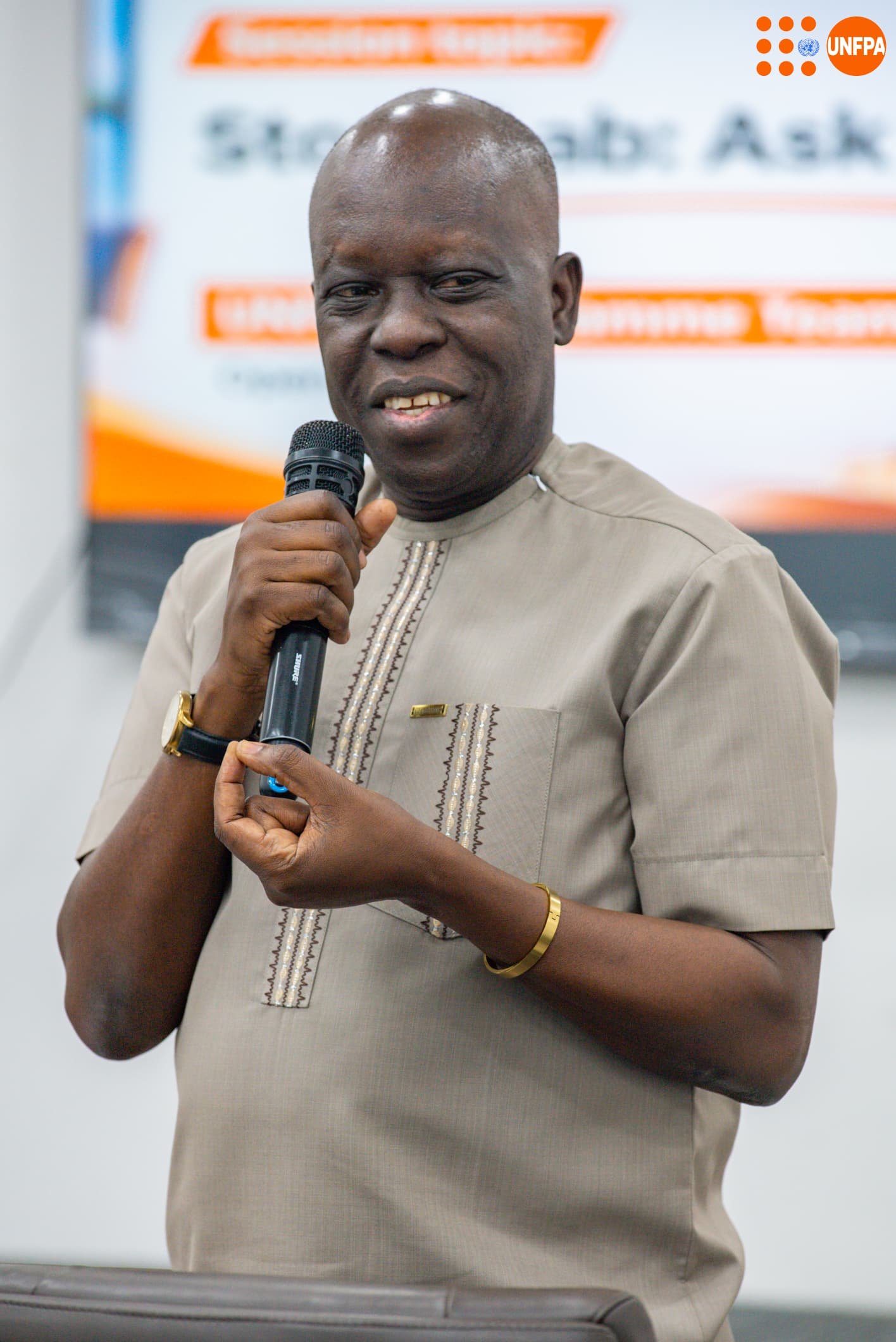
The United Nations Population Fund (UNFPA) has observed that Ghana’s leadership, not aid, must drive development, and that lasting change in the country will come from Ghanaian institutions, knowledge and ownership.
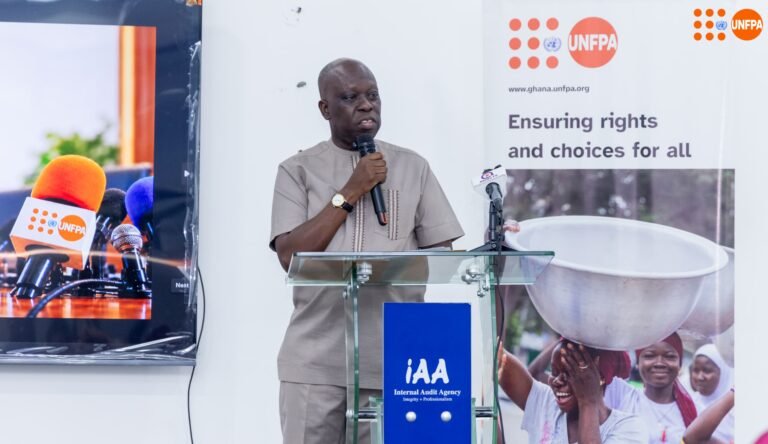
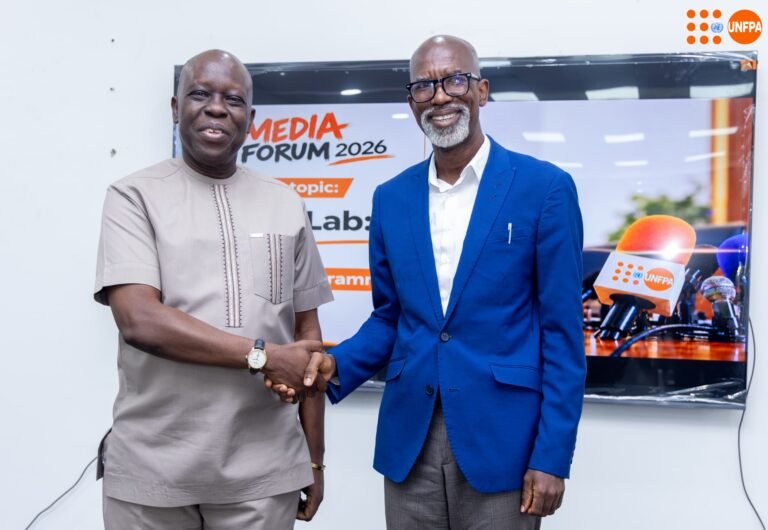
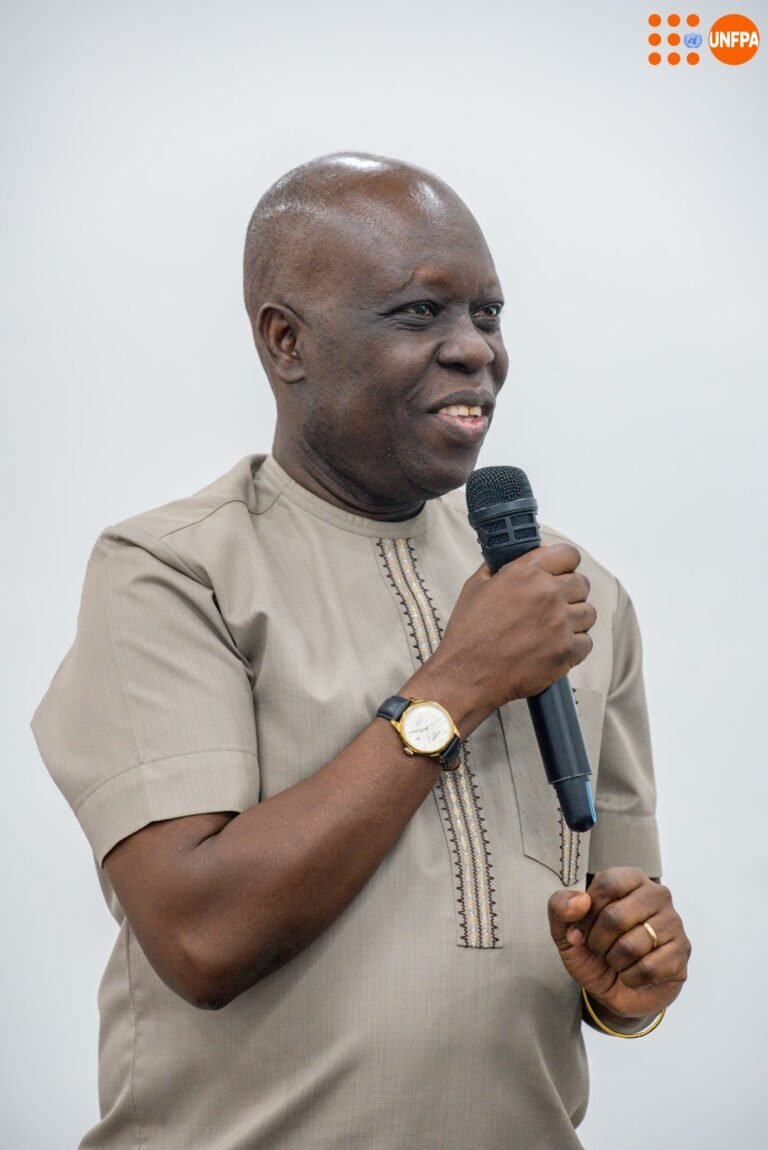
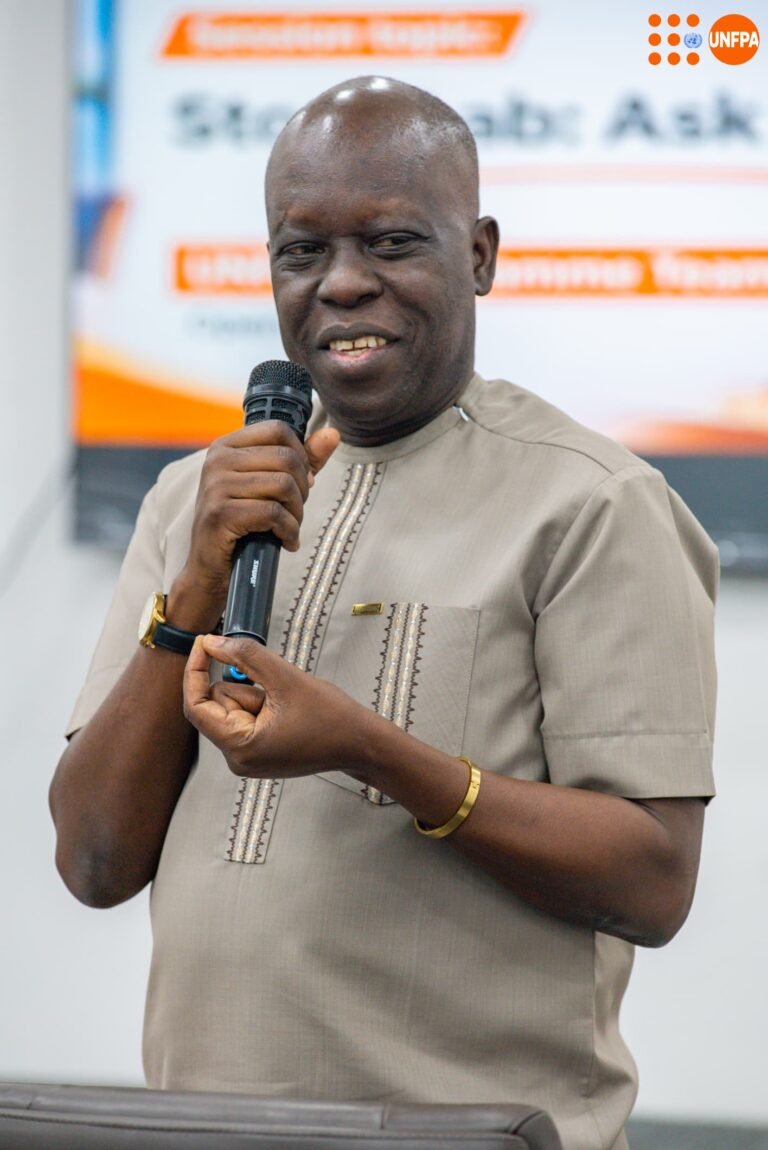
Speaking at the UNFPA Media Forum at the Ministry of Finance Conference Room in Kanda, Accra, on Wednesday, November 4, 2026, UNFPA Ghana Country Representative, Dr. Wilfred Ochan, said no outside institution can bring lasting change to Ghana on its own, and that Ghana must lead its own development agenda.
Dr. Ochan said UNFPA does not come with all the answers, but comes to listen, to contribute and to work with Ghana, while Ghana brings its own leadership, institutions, knowledge, culture and understanding of what its people need.
He emphasised that development must be grounded in Ghanaian leadership, built on local ownership and respect for Ghana’s social and cultural context, so that change is sustainable because Ghanaians see themselves in it.
Dr. Ochan said: “No institution can bring about lasting change on its own.” He added: “Certainly not UNFPA. We may bring technical expertise, policy advice, normative standards, convening power, evidence and international experience. But Ghana brings its own leadership, institutions, knowledge, culture and understanding of what its people need. And that is where our work begins.”
He was delivering the keynote address on the theme: “Beyond the Headlines: Partnership, Trust and Ghana’s Development Story.”
He said UNFPA’s approach is partnership, not prescription. He said: “We do not come with all the answers. We come prepared to listen, to contribute and to work with others. For us, partnership is not simply about signing agreements or attending events together. It is about what we can achieve together that we could not achieve alone.”
He said Ghanaian leadership must be at the centre of results. He said: “Our commitment to Ghana is measured by tangible outcomes that improve the lives of women, girls, and young people, supported by national leadership.”
He indicated that UNFPA works across Ghana’s leadership structures. He said: “From our engagement with the Presidency and Government institutions, to our work with universities, traditional authorities, civil society, young people and development partners, we are seeing the importance of bringing different strengths around shared priorities.”
On local ownership, he said: “Our partnership is built around listening, local ownership and respect for Ghana’s social and cultural context. Respecting cultures does not mean avoiding difficult conversations. It means engaging communities with dignity, evidence and trust, and recognizing that sustainable change is stronger when people see themselves in it.”
He gave examples of Ghanaian ownership in action. He said: “Our work with paramountcies on ending child marriage or with Ghana Private Road Transport Union to create awareness on GBV, gives ownership to local actors.”
He said lasting change must engage institutions that communities trust. He said: “Recognize that lasting change must engage institutions, values and leadership structures that communities trust.”
He revealed that UNFPA is also working with the Presidency to reposition population as central to development. He said UNFPA is: “Working with Office of the President in repositioning population as central to development.”
He said development must be anchored in Ghana’s own systems for sustainability. He said the key question is: “Are our efforts making a difference where it matters most, in people’s lives: in saving lives, protecting people, creating or expanding opportunities anchored in institutional systems for purpose of sustainability and scale-up?”
He said communities must not be passive beneficiaries. He said: “Ensure that communities are active participants in shaping solutions rather than passive beneficiaries.”
He said mutual partnership is the foundation of UNFPA’s work. He said: “UNFPA believes that mutual partnership is the foundation for all the work we do. Behind every successful partnership is trust. Trust takes time to build. It requires respect, honesty, and a willingness to listen.”
He urged the media to hold partnerships to account. He said: “We want you to ask questions: Are the partnerships producing results? Are we reaching those who need support? Are we listening to the communities we work with? What could we do better?”
About The Author