Senior Research Fellow at the Institute of Economic Research and Public Policy (IERPP), Dr. George Domfe, has warned that Ghana’s efforts to stabilize the cedi must focus on domestic production rather than artificial dollar interventions.
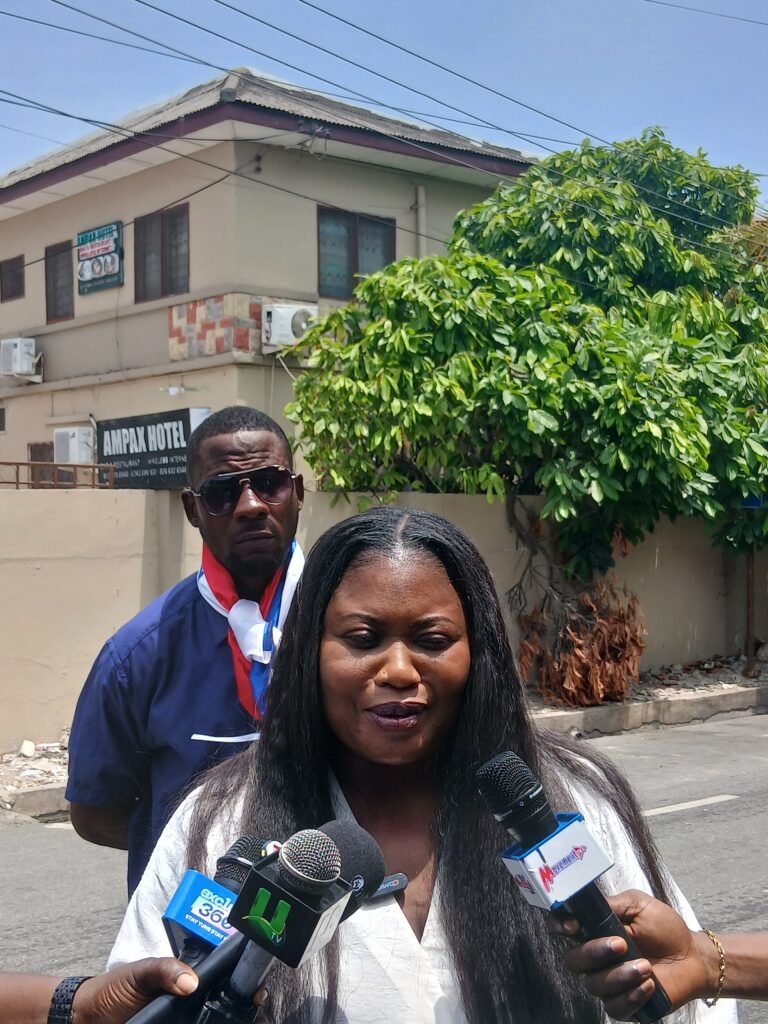
Speaking during IERPP’s post-budget assessment at the Ghana International Press Centre on Thursday, November 20, 2025, Dr. Domfe described the 2026 Budget’s debt figures as “phenomenal,” underscoring the rapid growth of Ghana’s public debt over the past two decades.
According to Dr. Domfe, Ghana’s total debt reached $60 billion by the end of 2020, with the Mahama-Mills administration contributing $21 billion over an eight-year period. He stressed that a significant portion of these borrowings was used to service existing debts, adding pressure to the nation’s fiscal space.
Debt Restructuring
Highlighting the role of debt restructuring, Dr. Domfe praised measures implemented by then-Finance Minister Ken Ofori-Atta, which reduced the total debt stock to $49.3 billion by December 2024 and provided temporary debt suspension. He noted that this allowed the Bank of Ghana to inject dollars into the economy without overstressing public finances.
However, Dr. Domfe cautioned against over-reliance on such artificial measures to strengthen the cedi. “Heavy dollar injections may appear helpful in the short term, but they can discourage local manufacturing, reduce employment, and undermine business sustainability,” he said.
He further emphasized that sustainable economic growth depends on increasing agricultural output and boosting industrial production, which would naturally reduce demand for foreign currency and strengthen the cedi organically.
“Strengthening the cedi is not just about managing foreign exchange; it is about building productive capacity at home,” Dr. Domfe noted, calling for policies that support local industries, create jobs, and enhance Ghana’s self-sufficiency.
About The Author