The Second Deputy Minority Chief Whip, Jerry Ahmed Shaib, has outlined a series of policy concerns and commitments to improve Ghana’s business environment.
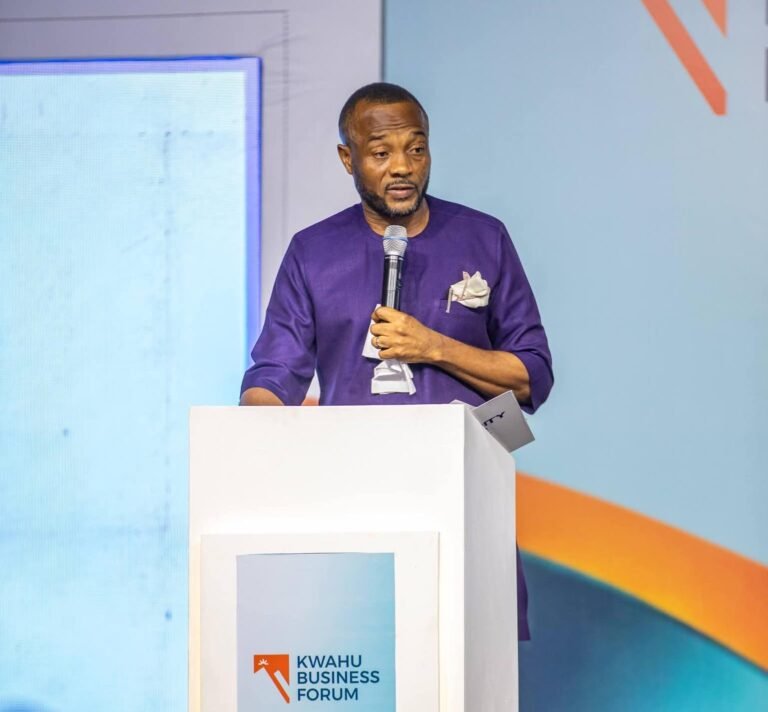
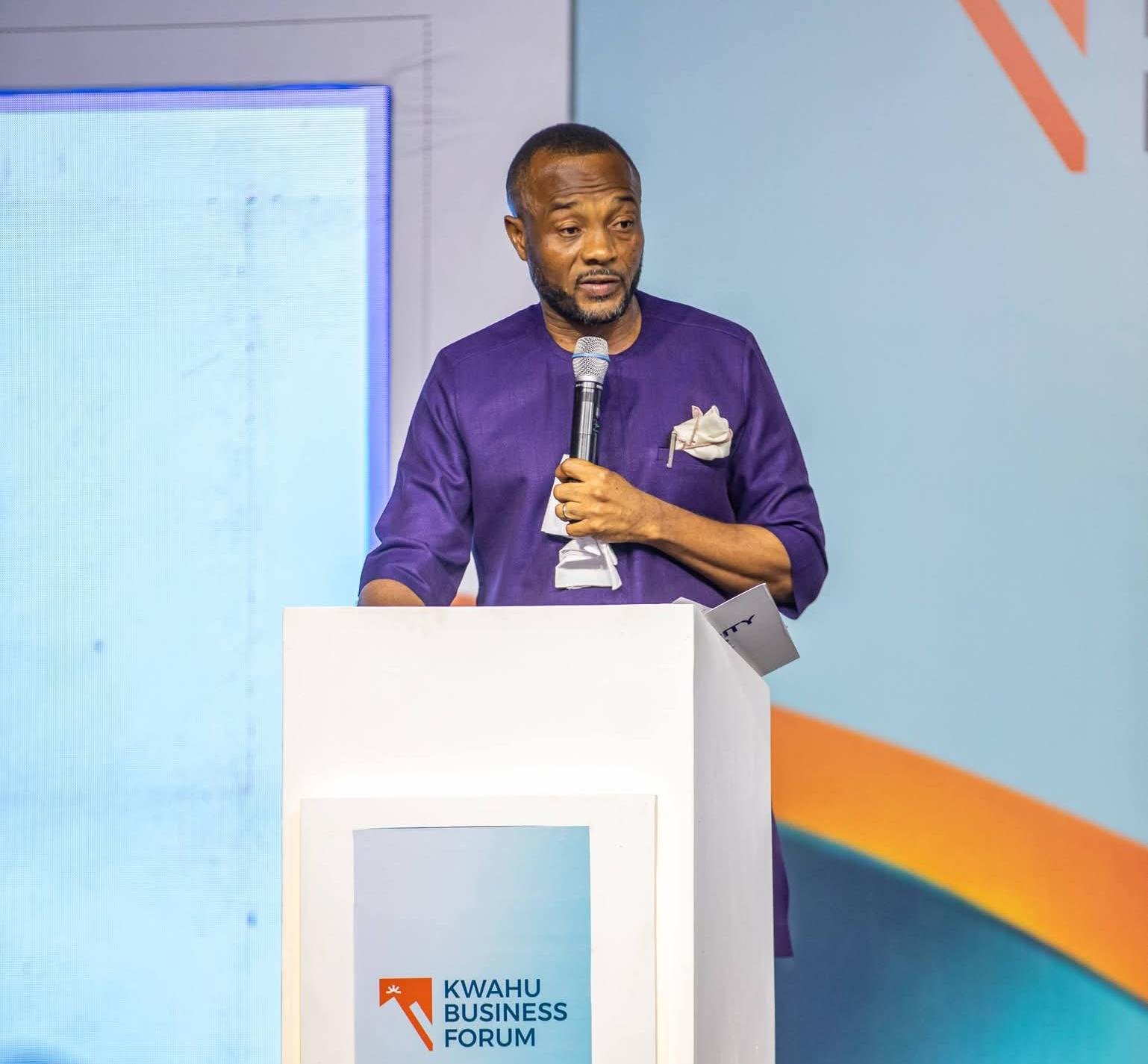
Speaking on behalf of the Minority Leader, Alexander Kwamena Afenyo-Markin, at the Kwahu Business Forum 2026, he urged a deliberate shift towards supporting indigenous enterprises through structured reforms and depoliticised governance.
Mr. Shaib, who is also the Member of Parliament for Weija-Gbawe, emphasised the urgent need for sustained leadership commitment to the growth and survival of Ghanaian businesses. He noted that the theme of the forum, “Leaders Committing to Sustenance of Ghanaian Businesses,” places a responsibility on stakeholders to demonstrate practical support for the private sector.
He stressed that “sustenance is a purposeful word” which requires “active, deliberate and sustained commitment” to ensure businesses “do more than survive the conditions they face, but are given the genuine opportunity to grow, compete and flourish.”
Addressing the broader policy environment, Mr. Shaib indicated that the Minority Caucus had engaged key industry players, including the Ghana Union of Traders Association (GUTA), the Ghana Employers’ Association, and the Association of Ghana Industries (AGI), and described the feedback received as “sobering.”
Finance accessibility
On access to finance, he indicated that “between 60 and 80 percent of Ghana’s small businesses do not survive their first five years,” attributing this largely to the inability to secure affordable credit. He added that although the “current lending rate stands at 10.70%,” most SMEs are unable to benefit due to high collateral requirements and short loan tenures.
He stated that “a headline lending rate of 10.70% means nothing to an industrialist who cannot meet the collateral threshold to access it.” Mr. Shaib further criticised structural constraints within the financial sector, arguing that “we cannot preach entrepreneurship while the system we preside over makes capital structurally inaccessible to the entrepreneur we are preaching to.”
Taxation and utilities
On taxation and utilities, he cited concerns raised by industry, particularly from AGI, noting that some manufacturing firms were operating below capacity because “the energy cost of full production exceeds the price at which the product can profitably be sold.” He attributed this to policy inefficiencies, asserting that “that is not a market problem. That is a policy problem.”
He also highlighted the cumulative burden of taxes, explaining that “Import VAT, excise duties, the NHIL, and the GETFund Levy are paid simultaneously, by the same businesses, on the same transactions,” and criticised the government for failing to assess “the combined burden of these obligations in its totality.”
On port operations, Mr. Shaib raised concerns about the AI-driven customs valuation system, stating that the Publican Trade Solution had been deployed “without independent validation… and without a functioning appeals mechanism.” He disclosed that some businesses had received “assessments several times higher than what identical past consignments attracted, with no recourse and no explanation,” describing the situation as inconsistent with a government that claims to support enterprise.
Consultation deficit
He further criticised what he described as a persistent “consultation deficit” in policymaking, arguing that “policy is conceived, drafted and announced, and industry is invited to a meeting afterwards and told that constitutes consultation.” He warned that the absence of pre-legislative engagement is “a policy failure with real costs, measured in factories that are uncompetitive, investments that are not made, and jobs that do not exist.”
On the role of the financial sector, Mr. Shaib underscored the need for banks and financial institutions to adopt more inclusive and tailored approaches to SME financing. He said it was “imperative that the financial sector adjusts its approach,” particularly to support young entrepreneurs, by developing products aligned with the realities of local businesses.
Outlining the Minority Caucus’ commitments, he stated that the group would push for specific reforms, including “a statutory pre-legislative consultation framework,” a “full assessment of the combined impact of taxes, levies and tariffs,” and “full parliamentary scrutiny of the AI-driven customs assessment system.”
He added that the Minority would also advocate for “an independent review of utility tariff structures,” establish “structured quarterly parliamentary engagement with organised business associations,” and promote reforms in SME financing, including “longer tenure credit facilities aligned with industrial investment cycles” and a review of collateral requirements.
Sustainable environment
Mr. Shaib emphasised that national leadership goes beyond parliamentary debate, noting that it involves “shaping a stable and sustainable environment where all businesses and citizens can flourish.” He assured the business community that the Minority, though not in government, was committed to “policy stability, predictable legislation and economic direction that reflects the realities on the ground.”
He called for stronger collaboration between policymakers, businesses, and financial institutions, urging stakeholders to move beyond dialogue to action, stating that the forum should mark “the beginning of sustained, structured support for entrepreneurship in Ghana.”
He also encouraged entrepreneurs to “invest boldly in your dreams,” while assuring the financial sector that the Minority stands ready to support policies that will enable them to become “genuine engines of indigenous enterprise.”
About The Author