By Newton Gabriel
We live in a world that is louder than ever, yet we have never been more silent about the things that actually matter. We post the smiles, and the victories, but behind the shining screens, many are drowning in a sea of “I am fine.” The modern world is an impressive masquerade where we are all invited to dance, but no one is allowed to stumble. There is a haunting reality in our modern era: no one notices when the strong person is tired of being strong. We lean on them until they crack, assuming that because they carry it well, the load isn’t heavy.
We live in an era of hyper-connectivity where we are “friends” with thousands yet known by none, creating a hollow existence where a person could literally vanish from the face of the earth and, for weeks, their absence would be dismissed as a mere lapse in data subscription or a temporary digital detox. We have traded the warmth of a neighbor’s hand for the cold glow of online love, a currency that buys nothing when the debt of hopelessness comes due.
The modern lifestyle is a persistent routine. We are pushed to hustle until we hurt, driven by family pressure and the poisonous sting of unnecessary comparison. We look at the lifestyle of others and feel like we are failing. As the proverb says, “The eye should be a sieve, not a bag,” yet we soak up every bit of social media toxicity until our self-worth is depleted.
Individuals are pushed to the very edge of their stability, forcing them to hurt in the shadows while smiling for the cameras. It is a world where we are “tossed to and fro by the waves,” as the scriptures suggest, yet we are forbidden from admitting we are drowning.
This hits men particularly hard. There is an unspoken rule that “men don’t cry,” a sentiment reflected in the saying: “Men are not born evil; the society in which they live creates them.” We raise boys to be stone walls, then wonder why they crumble under the weight of debt, relationship failures, and life expectations. They feel ashamed to express emotion, fearing the label of being “less of a man.” Similarly, women often carry their burdens in a fortress of silence, terrified that sharing their story will only lead to betrayal.
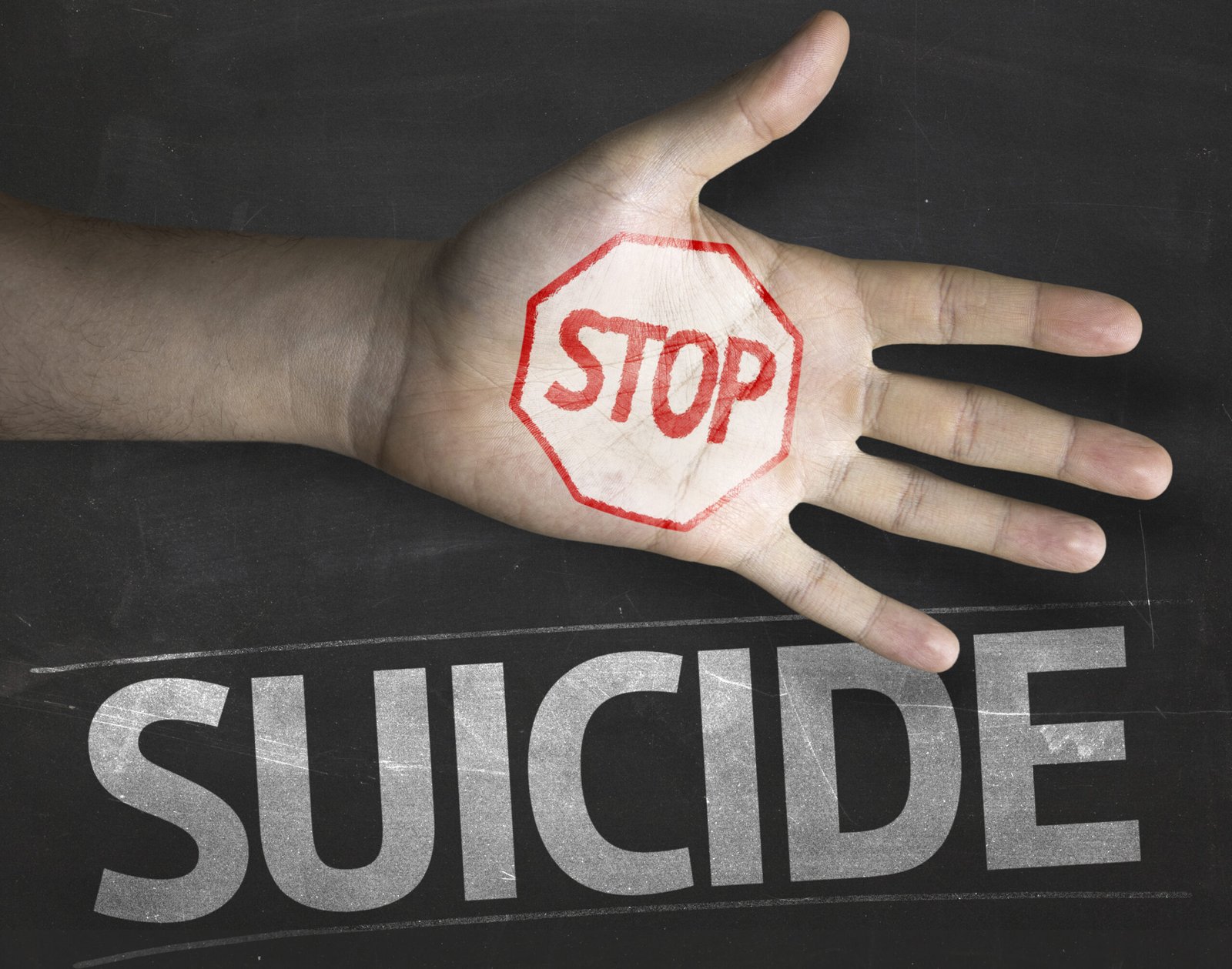
Life’s expectations, the crushing mountain of debt, the sting of a broken heart, and the fear of social embarrassment create a valley of the shadow of death that many feel they must walk alone. They sow in tears but find no harvest of joy, only a deepening isolation that makes the finality of SUICIDE feel like the only open door.
The statistics of this global silent war are nothing short of a total destruction, as the World Health Organization reports that approximately 727,000 people take their own lives every year, which translates to one life extinguished every 40 seconds. This is not just a distant number; it is a global loss of potential, a voice crying in the wilderness that goes unheard until it is too late.
In Ghana, the situation has escalated into a significant public health emergency, with the suicide mortality rate standing at an estimated 5.32 per 100,000 population as of 2021. This crisis is overwhelmingly a male struggle, fueled by socioeconomic pressures and the perceived failure to fulfill traditional gender roles. Roughly 1,500 Ghanaians complete suicide annually, but the true number is likely a hidden mountain because stigma and shame keep so many deaths off the official record. Every single one of these deaths is a tragedy that leaves behind a house left unto them desolate, creating ripples of trauma that last for generations.
The triggers for such desperation are often found in the breakdown of our basic humanity, where poverty, job loss, and the decline of traditional family support systems leave the vulnerable to wander in deserts and mountains.
As the Bible reminds us in Proverbs 18:14, “The human spirit can endure in sickness, but a crushed spirit who can bear?” When the spirit is crushed by financial ruin, abuse, or isolation, the world loses a soul that was meant to shine.
Many suicides happen in the blink of an eye, a brief eclipse of the soul where the ability to cope with financial disputes or chronic pain simply vanishes. It is a heart-wrenching reality that refugees, migrants, and prisoners—those already living on the margins of the garment —experience even higher rates of this terminal despair
In June 2023,Ghana finally decriminalized attempted suicide, recognizing that a person trying to end their life is not a criminal to be handcuffed, but a weary traveler in need of a resting place. This legal shift is a vital step toward healing, yet the social stigma remains a great gulf fixed between those who suffer and the help they desperately need.
In conclusion, the Bible says in Matthew 11:28, “Come to me, all you who are weary and burdened, and I will give you rest,” but we must also be the hands and feet that provide that rest for one another. Suicide is never the answer because while there is life, there is hope, and no one knows what miracles the dawn of tomorrow might bring. You may feel like a tinny cymbal in a world that isn’t listening, but your life is a masterpiece that is far from finished. Take all the time you need to heal, but never, ever take your life, for the world is far more beautiful with your breath in it than with your name on a headstone. We would much rather stay up all night listening to the heaviest parts of your story than spend a lifetime reading your tribute or looking down at your closed casket.
Always remember that, suicide is often an impulsive reaction to a temporary crisis. Whether it is a broken heart, a mountain of debt, or the sting of discrimination, these are chapters—not the whole book.
About The Author