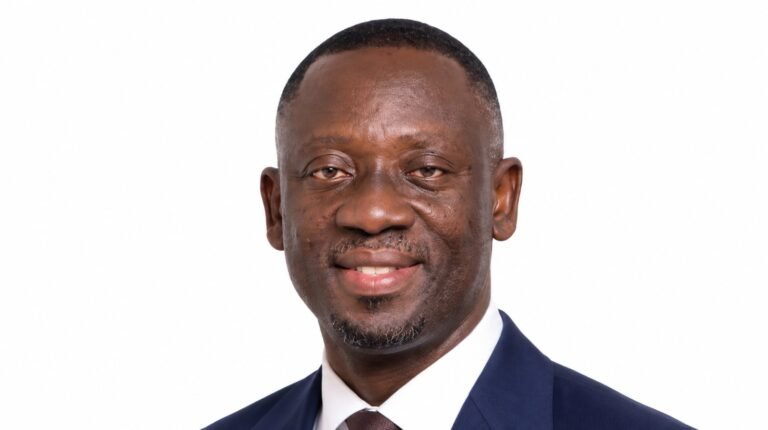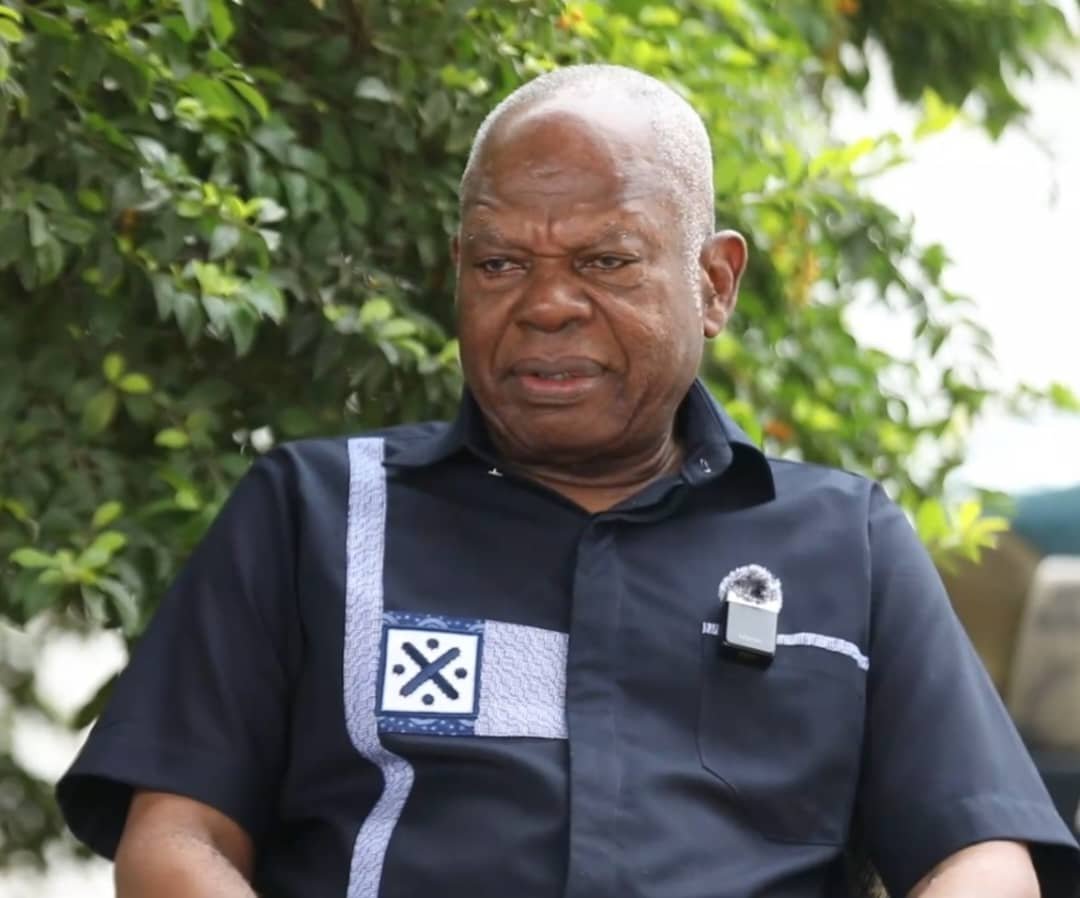
Dr. Edward Mahama, former presidential candidate and veteran Ghanaian statesman, has described the process that led to the removal of Chief Justice Gertrude Torkornoo as defective and based on a flawed constitutional framework.
In an exclusive interview with Asaase Radio, Dr. Mahama said the committee responsible for the process faced “speculations and insinuations” from the outset, which, in his view, undermined public confidence in the outcome. He described the entire procedure as “not reassuring to Ghanaians.”
“My verdict is that the committee itself was subject to some speculations and insinuations, and it is unfortunate that confidence in the committee was damaged at the beginning. The process that has gone through can be said to be a little bit not reassuring to Ghanaians,” he said.
Dr. Mahama stressed that the 1992 Constitution, particularly its indemnity clauses, is at the heart of the problem. He recalled his involvement in campaigning for the 1992 Constitution alongside Dr. Limann, explaining that the intent was to replace the dictatorial PNDC regime with a democratic framework that balanced the powers of Parliament, the Executive, and the Judiciary.
“Now what has happened just tells me, to borrow Chinua Achebe, ‘the center cannot hold; things are falling apart,’” Dr. Mahama said. “The three institutions of governance—the presidency, Parliament, and judiciary—must be independent. In this case, that independence has been eroded.”
He further argued that the 1992 Constitution was designed with one individual in mind and warned that this flaw would continue to produce governance challenges. “If the Constitution is flawed, then things that emanate from the Constitution will be flawed. We need a constitution designed for Ghanaians, not for one person,” he stressed.
On the issue of constitutional reform, Dr. Mahama pointed to ongoing attempts to review the nation’s governing document, including the constitutional review committee set up by President John Mahama. He criticized the delays in addressing structural issues, such as the dual roles of MPs serving as ministers, and reiterated that the indemnity clauses require urgent scrutiny.
“The point I’m making is that the basis of what has followed is flawed. If we have used a flawed process to arrive at this decision, then that decision cannot be right. I stand by the argument of the Ghana Bar Association that this is not right,” he added.
Dr. Mahama further emphasized that Ghana’s constitution must reflect the interests of its citizens rather than accommodate the ambitions of an individual. He called on all stakeholders to pursue meaningful amendments to strengthen the country’s democratic institutions.
About The Author