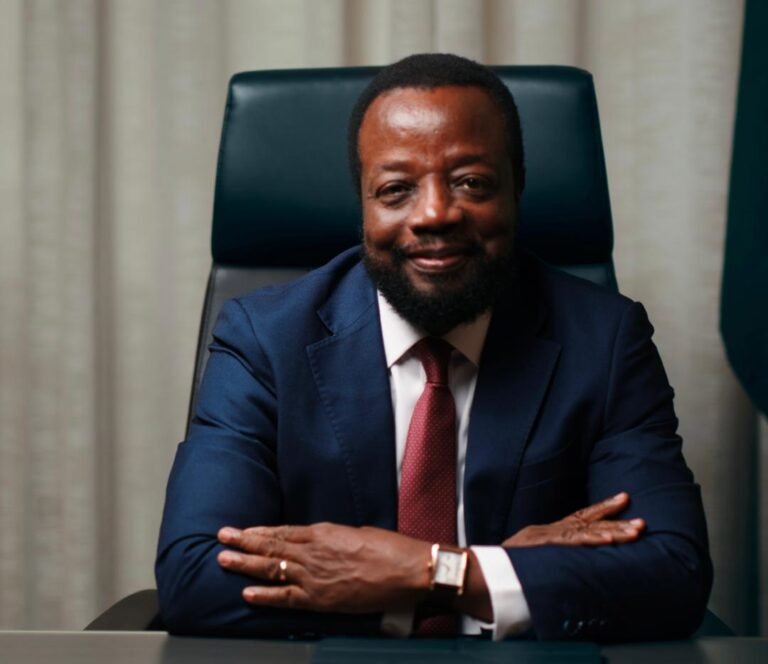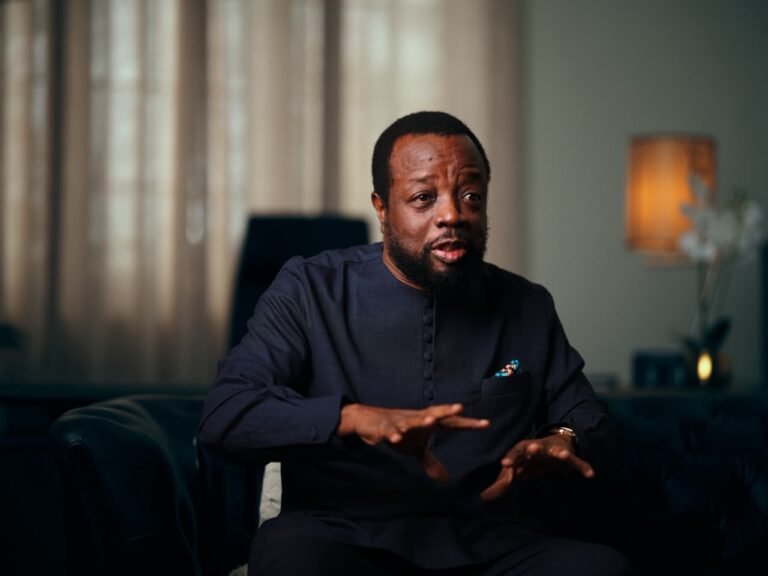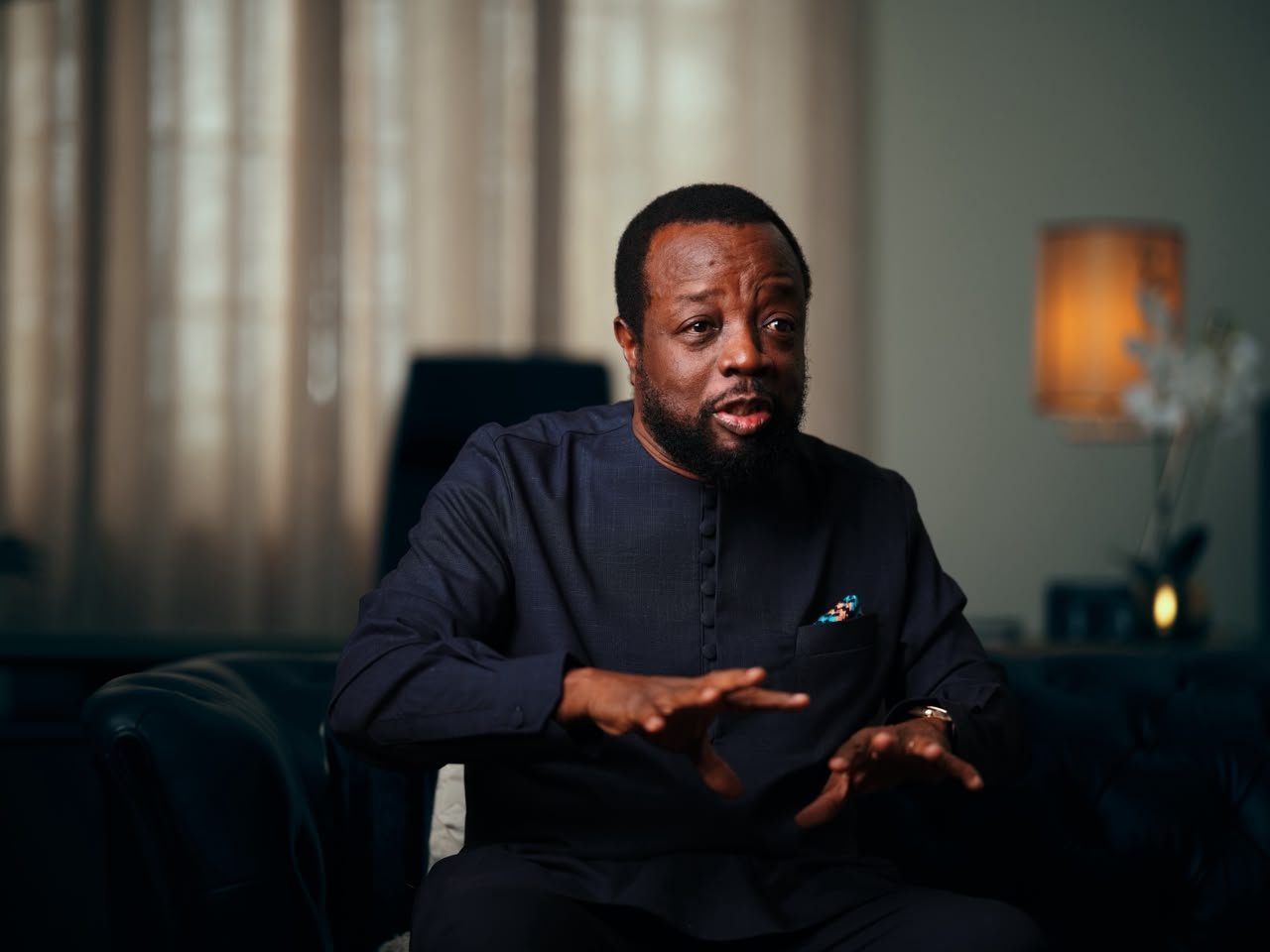
The flagbearer Progressive Alliance for Ghana (PAG), Dr John Enyonam Kpikpi, has expressed disappointment over what he describes as the absence of a comprehensive anti-corruption plan in the 2027 Budget presented by Finance Minister Dr Cassiel Ato Forson.
Speaking on the Kantanka TV Morning Show, Dr Kpikpi said he expected the Finance Minister to outline concrete measures to protect public funds and prevent corruption as government announced plans for major industrial and infrastructure projects.
He argued that corruption had undermined successive development initiatives in Ghana, with funds intended for public projects allegedly diverted through inflated contracts and questionable dealings between government officials and contractors.
“I expected a very robust plan to be unveiled that will curtail corruption because all the plans that we have had in this country, little and big, have all been doomed from the start because people stole the money, stole the contract money before it could get started,” he said.
Dr Kpikpi questioned how government intended to prevent the inflation of project costs, particularly under its proposed industrialisation agenda, warning that factories and other public investments could become avenues for the misappropriation of state funds.
He cited situations where projects with actual costs of GH¢30 million could be presented as costing GH¢90 million, with the difference allegedly shared among individuals involved in the transactions.
“How are you going to make sure that when we are setting up a factory, it is not overvalued? It is not put in a place where the cost of the factory really is 30 million, but they put it at 90 million,” he questioned.
The PAG flagbearer said the government should have made integrity and ethical transformation central to its economic programme, insisting that ambitious development plans would achieve little without strong accountability measures.
He called for systems that would ensure public officials and contractors were held accountable for misusing public funds, including severe sanctions for those found guilty of dishonesty and financial misconduct.
“Unless we have an ethical transformation where people have agreed and pledged to tell the truth around money, and then also systems in place to punish very severely anybody who lies and cheats around government money, we’re not going anywhere,” he stated.
Dr Kpikpi said the failure to address corruption adequately in the budget raised concerns about whether the proposed investments would deliver their intended benefits to Ghanaians.
He maintained that PAG’s approach to governance would be built on credible leadership and accountability systems designed to monitor public expenditure and protect the national purse.
He argued that without addressing corruption, Ghana would continue to struggle to translate its development plans and public investments into meaningful improvements in the lives of citizens.
About The Author