The 2025 edition of the Disability Inclusive Hackathon (DI-Hack) concluded on November 28 at the University of Ghana after three days of intense creativity, collaboration, and problem-solving.
Held from November 26 to 28 under the theme “Co-Designing Accessibility – Empowering Persons with Disabilities Through Technology,” the event brought together young innovators, disability advocates, industry leaders, and technology mentors to develop digital solutions that advance accessibility and inclusion for persons with disabilities in Ghana.
DI-Hack 2025 provided a powerful platform for young innovators to design technology with and for persons with disabilities, reinforcing the growing movement toward inclusive innovation.
Teams worked closely with disability groups to understand real challenges faced in education, health, mobility, employment, and digital access. Their prototypes reflected not only technical skill but a deep sense of empathy and creativity. Across the three days, participants designed solutions leveraging artificial intelligence, mobile applications, adaptive devices, and digital communication tools, all aimed at improving the lives of persons with disabilities and promoting full participation in society.
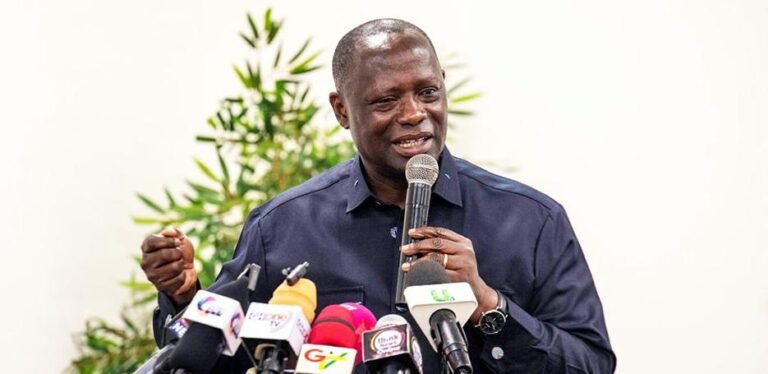
One of the judges, Rev. Dr. Joyce Akrofi, expressed her admiration for the energy and commitment demonstrated by the teams.
She noted that she was deeply impressed by “the passion of young innovators to impact society with their great minds,” emphasizing that the hackathon showcased the potential of Ghana’s youth to drive transformative change when given the opportunity and the right environment to create.
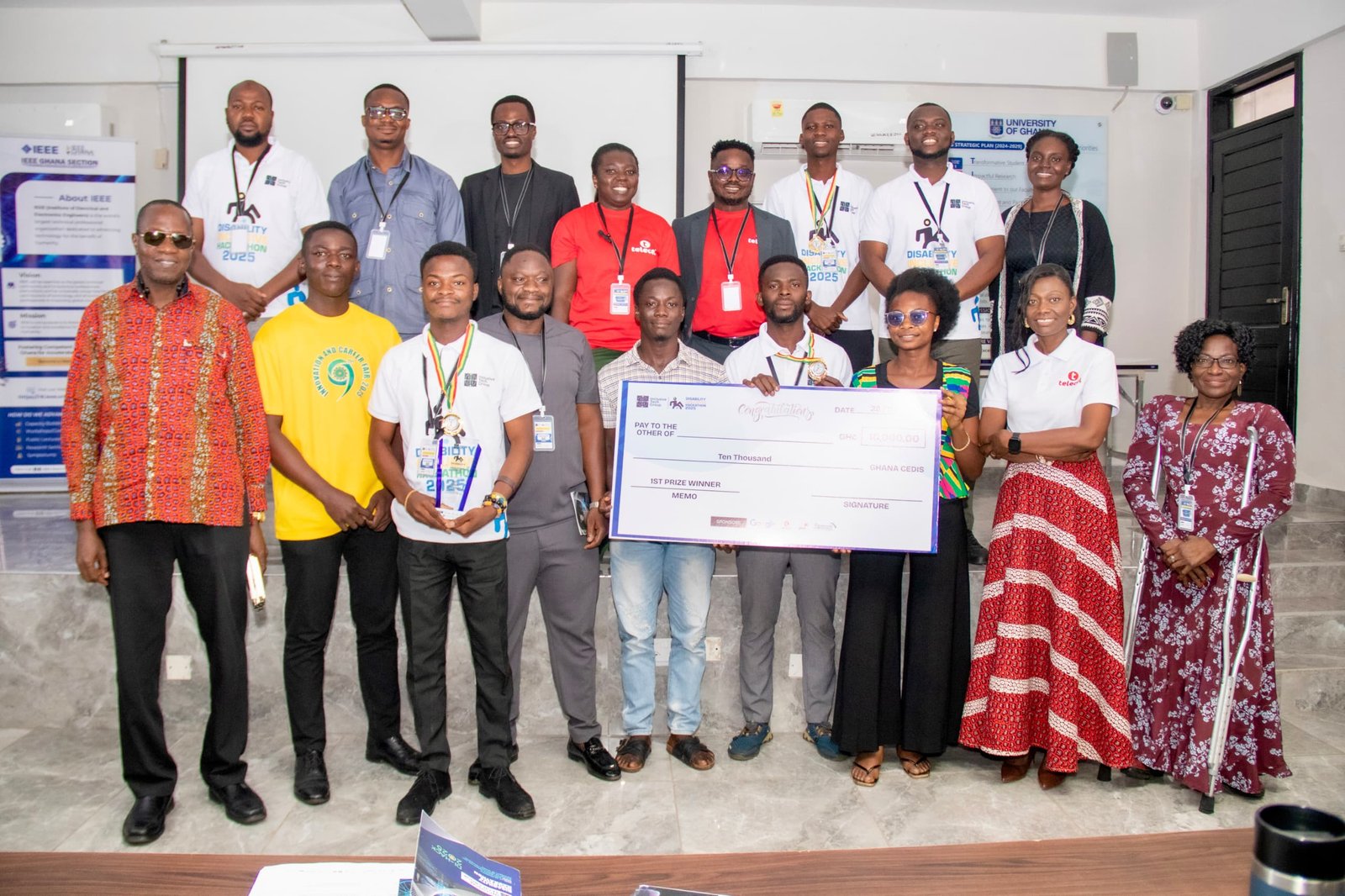
At the conclusion of the competition, three outstanding teams emerged as winners. Each received cash prizes, trophies, and medals in recognition of their innovative solutions and exceptional teamwork.
Beyond the awards, the winning teams also secured a post-hackathon mentorship program designed to help refine their prototypes, strengthen their entrepreneurial pathways, and support the long-term sustainability of their accessibility-focused innovations.
The event concluded with a renewed call for sustained collaboration between academia, industry, and disability-focused organizations.
Participants left not only with innovative prototypes but with a strengthened understanding of the importance of co-design, ensuring that persons with disabilities are partners in the creation of the technologies intended to empower them.
DI-Hack 2025 was made possible through the generous support of Google, Telecel Ghana, the IEEE Instrumentation & Measurement Society, and PwC Ghana. Their investment reflects a shared belief in technology as a catalyst for development and inclusion.
About The Author