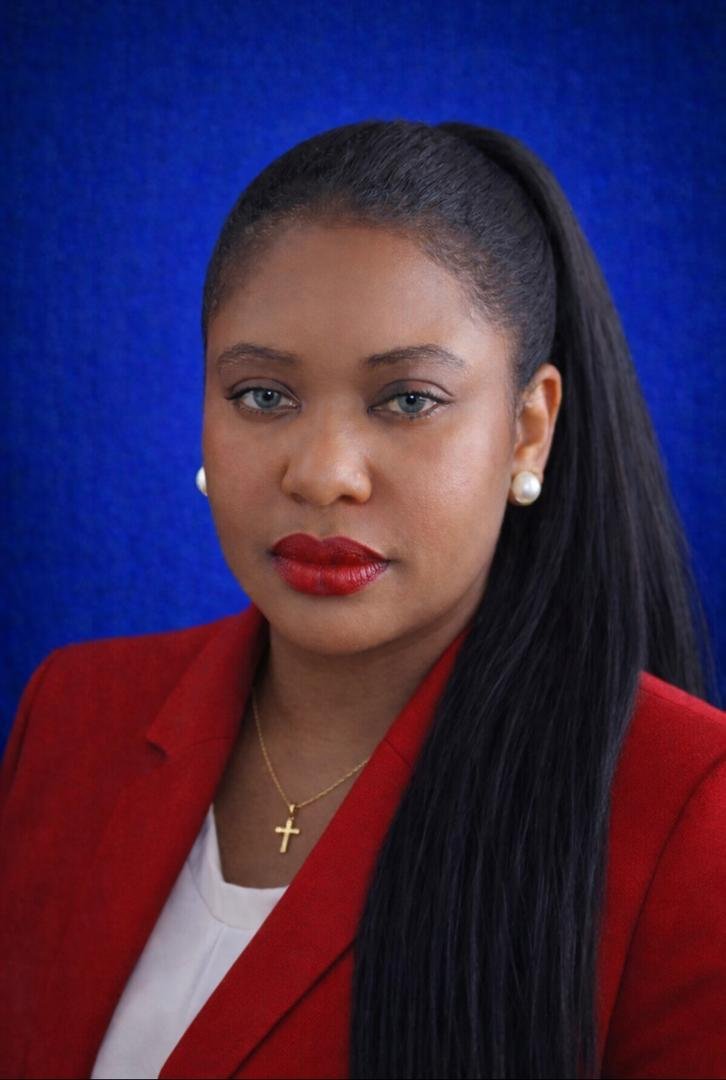
Madam Anita Budu, IJM’s Country Director
The International Justice Mission (IJM) has renewed calls for intensified efforts to combat child labour and human trafficking on Lake Volta, where thousands of children continue to face hazardous exploitation in the fishing industry. IJM’s Country Director, Anita Budu, made the call during the 2025 National Justice Conference, IJM Ghana’s flagship annual gathering that brings together key stakeholders in the fight against human trafficking.
 This year’s conference was especially significant, marking two major milestones — the 20th Anniversary of Ghana’s Human Trafficking Law and the 10th Anniversary of IJM’s work in Ghana. The event convened government agencies, civil society organizations, and international partners to reflect on progress made in strengthening the Public Justice System and to renew a shared commitment to ending human trafficking.
The event was held under the theme “Reflecting on Milestones in Ghana’s Public Justice System: Renewing Commitment to Combat Human Trafficking.”
Madam Budud expressed optimism over Ghana’s progress in recent years and deep concern over the persistence of child trafficking, especially in the Volta Region. She stressed the urgent need for adequate resourcing, stronger law enforcement, and broader community engagement to protect vulnerable children.
“Over the last ten years, we have seen remarkable progress in trauma-informed care, survivor-centered services, and community awareness. But the fight is far from over. Trafficked children on Lake Volta continue to face immense danger, and without sufficient resources and stronger enforcement, the cycle of abuse will persist,” she stated.
 Available data
A recent data underscores the urgency of the fight. A 2022 study revealed that about 30 percent of children in parts of the Volta Region are suspected to have been trafficked, with nearly 45 percent of children exploited within the fishing industry on Lake Volta. Trafficked children are subjected to hazardous conditions, including diving into deep waters to untangle fishing nets, working long hours at night, and suffering physical abuse and deprivation.
The IJM Country Director commended the Human Trafficking Secretariat, the Ministry of Gender, Children and Social Protection, the Ghana Police Service, the Department of Social Welfare, and other key stakeholders for their commitment to addressing child trafficking. She emphasised the importance of strengthening collaboration between government, civil society, and the corporate sector to provide sustainable solutions.
“We all know that presence alone is a deterrent. The police, social welfare officers, and community leaders must be resourced to maintain their presence on the ground. Adequate manpower and sustained funding are non-negotiable if we are to see real change,” she stressed.
Plans ahead
The IJM Country Director further outlined plans to expand its operations beyond its current focus in the Central and Volta regions, working with government and corporate partners to strengthen national capacity. The goal, according to Madam Budu, was to reach a point in the next five to ten years where the prevalence of child trafficking is drastically reduced, if not eliminated.
“Our vision is that, ten years from now, we will not be talking about trafficking at the prevalence levels we see today. We want to get to a place where government partners can operate independently, laws are fully enforced, and children are safe to live, learn, and thrive,” she added.
 Collaboration key
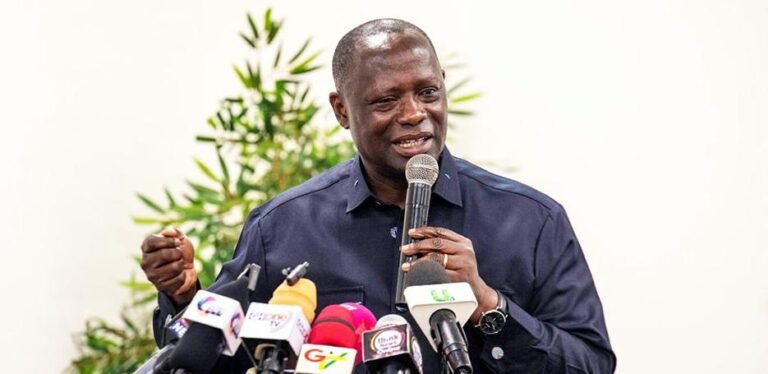
The Director-General of Special Duties at the Ghana Police Service, DCOP Arhin Kwasi Annor, stressed the importance of collaboration in the fight against human trafficking, exploitation, abuse, and corruption.
“The duty of the police is to protect the vulnerable, to uphold the rule of law, and to be guardians of peace. But the police alone cannot succeed in this task, no law enforcement entity can. It is only through partnerships that we find the strength to deliver lasting justice,” he noted.
DCOP Annor praised IJM Ghana for a decade of dedicated partnership with the Police Service, noting that the organization had played a crucial role in strengthening the service’s capacity, training officers, and supporting operations.
“Over the past 10 years, IJM has walked with us—strengthening our reputation, supporting our teams, training officers, and, most importantly, reminding us that behind every case is a human story: a woman rescued from exploitation, a child freed from trafficking, a community restored to peace,” he added. According to him, these victories are not just achievements for the Police Service or IJM, but “triumphs for justice itself.”
Progress made
Dr. Kwame Adusei, Deputy Director in charge of Standards, Research, Monitoring and Evaluation at the Ministry of Gender, Children and Social Protection, revealed that Ghana had recorded notable progress in the prosecution of trafficking-related offenses. According to him, two individuals were successfully prosecuted and sentenced for offenses of human trafficking and child labour, underscoring the state’s resolve to enforce the law.
Dr. Adusei explained that the Ministry had developed a comprehensive set of visual training manuals, standards, and guidelines for social workers. These resources, he noted, were intended to decentralize and enhance case management procedures nationwide. “When it comes to raising awareness and addressing advocacy and policy issues on human trafficking, it is important that our interventions are structured and professional. The tools we have developed will equip our officers to respond more effectively to cases,” he stressed.
He further highlighted that the School of Social Work, in collaboration with the Ministry, has trained 120 social service personnel drawn from various districts to strengthen the workforce. This effort, he said, was crucial in ensuring timely interventions for vulnerable children, particularly those exposed to trafficking and labour exploitation.

About The Author