Nurture Nature Foundation (NNF) has urged the government to take decisive and legally binding action to permanently stop GoldCoast Resource Corp.’s offshore gold exploration project, warning that a temporary suspension of operations is insufficient to guarantee the long-term protection of Ghana’s marine environment and coastal communities.
The Foundation’s call comes after the Minerals Commission clarified that the offshore reconnaissance licences granted to GoldCoast GRC Ghana Limited remain valid despite a directive suspending operational activities pending stakeholder consultations and the completion of relevant regulatory processes. NNF argues that the continued validity of the licences leaves open the possibility of the project resuming once the necessary regulatory requirements have been met.
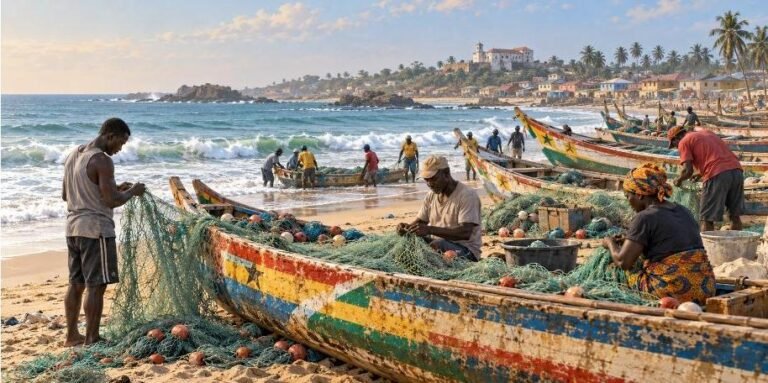
According to the Foundation, the government must go beyond suspending operations and pursue a permanent end to the project through lawful means, particularly in view of Ghana’s marine conservation commitments and the potential implications of offshore gold exploration for fisheries, marine habitats, food security and the livelihoods of coastal communities.
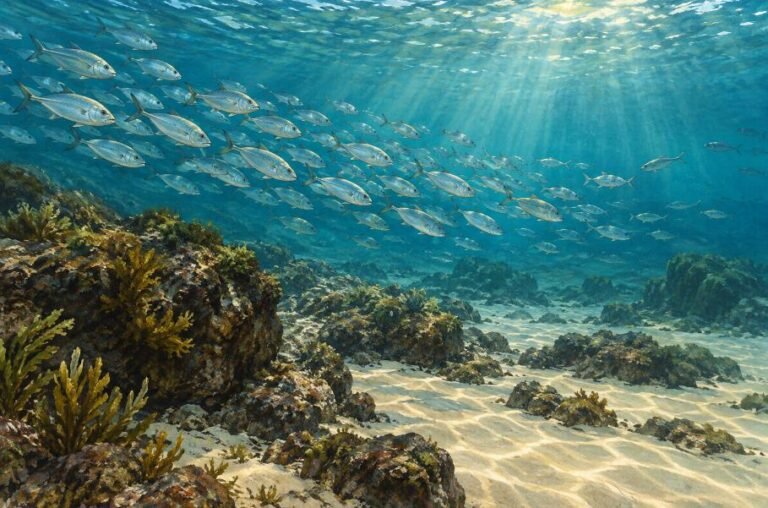
NNF says the project must be assessed against Ghana’s commitment to the global 30 by 30 conservation target, which seeks to protect at least 30 per cent of the world’s land and ocean by 2030. It maintains that allowing potentially harmful activities to proceed in areas designated for marine conservation, or in waters that could affect such areas, could undermine the country’s efforts to protect its ocean resources.
Concerns over Ghana’s 30 by 30 commitment
The Foundation’s position comes as Ghana seeks to strengthen its marine conservation efforts following the announcement of its first Marine Protected Area in April 2026.
NNF has welcomed the development as an important step towards safeguarding marine biodiversity but cautions that the designation of protected areas must be backed by effective management and decisions that prevent activities from undermining their conservation objectives.
The Foundation has expressed concern over reports that the proposed offshore gold exploration area may overlap with, or fall within, the marine area intended for protection. It is therefore calling for the publication of the official coordinates of both the exploration licences and the Marine Protected Area to establish the precise nature and extent of any overlap.
“If Ghana is serious about achieving the 30 by 30 target, then every decision affecting our ocean must be consistent with that commitment. We cannot declare marine areas protected while allowing activities that could undermine the very ecosystems those areas are intended to conserve,” the Foundation said.
The 30 by 30 target forms part of the Kunming-Montreal Global Biodiversity Framework, adopted by parties to the Convention on Biological Diversity. The target seeks to strengthen the conservation of biodiversity and ensure that protected areas deliver meaningful results.
NNF warns that Ghana’s progress towards this goal will depend not only on establishing protected areas but also on ensuring that they are effectively managed and safeguarded against activities that could compromise their ecological integrity.
The Foundation also linked the issue to Sustainable Development Goal 14, which calls for the conservation and sustainable use of oceans, seas and marine resources.
Development must not compromise marine protection
NNF maintains that economic development must be pursued in a manner that protects the natural resources on which communities and future generations depend.
It argues that the potential economic benefits of offshore gold exploration must be carefully weighed against the possible risks to marine ecosystems, fishing activities, food security and the livelihoods of coastal residents.
For communities along Ghana’s coastline, healthy marine ecosystems are essential to sustaining fishing activities and supporting local economies. The Foundation believes that decisions affecting the ocean must therefore take into account the interests of fishing communities and the long-term sustainability of marine resources.
The Executive Director of Nurture Nature Foundation, Peter Asiedu, said Ghana’s conservation ambitions must be reflected in government decisions concerning activities in its coastal waters.
“An ocean that feeds generations must not be put at risk for gold. Ghana cannot commit to protecting 30 per cent of its ocean by 2030 while pursuing activities that could undermine the very purpose of marine conservation. Our development choices must reinforce our environmental commitments, not contradict them. Coastal communities deserve a future secured by lasting protection, not a temporary pause,” he said.
The Foundation argues that the government has an opportunity to demonstrate consistency between its environmental commitments and its development policies by ensuring that marine conservation considerations are central to decisions about the proposed project.
Calls for transparency and meaningful consultation
Beyond demanding a permanent end to the project, NNF is calling for the publication of the relevant licence instruments, official coordinates, environmental assessments and stakeholder consultation records to allow the public to scrutinise the project and the regulatory decisions surrounding it.
The Foundation says stakeholder consultations must provide a genuine opportunity for affected communities, conservation organisations, scientists and other interested parties to influence the ultimate decision on whether the project should proceed.
It cautions against treating consultations merely as a procedural step towards the possible resumption of operations, insisting that the process must also allow stakeholders to question the project’s fundamental compatibility with Ghana’s environmental priorities.
The call follows concerns raised by the National Fisheries Association of Ghana (NAFAG), which, in a petition dated October 6, called for the suspension of the project pending further consultation and clarification of its potential implications for fisheries resources, marine habitats and coastal livelihoods.
According to media reports, NAFAG said GoldCoast held 10 offshore reconnaissance licences covering approximately 10,000 square kilometres between Half Assini and Winneba.
The association called for the official coordinates of the licensed areas to determine whether they overlap with the Inshore Exclusion Zone and sought clarification on the fisheries and environmental safeguards applicable to the proposed activities.
While NAFAG has called for a suspension pending further consultation, NNF is advocating a permanent end to the project.
GoldCoast maintains licences remain valid
In a statement issued on October 8, GoldCoast Resource Corp. said its reconnaissance licences remained valid, subject to their terms and applicable laws and regulatory requirements.
The company said it completed its airborne magnetic survey on August 22 and had conducted no operations under the licences since that date. It added that any subsequent phase would depend on obtaining the appropriate environmental permits and a prospecting licence following stakeholder engagement.
GoldCoast also maintained that it was complying with Ghanaian laws and regulations and pledged to safeguard the marine and coastal environment.
However, NNF says assurances about future regulatory compliance do not resolve the broader question of whether the proposed exploration is compatible with Ghana’s marine conservation objectives and the long-term interests of coastal communities.
The Foundation maintains that the absence of a conclusive finding of environmental damage should not prevent the government from taking a precautionary approach where potentially significant and lasting consequences for marine ecosystems and livelihoods are a concern.
It is therefore urging the government, the Minerals Commission and other relevant regulatory institutions to assess the project against Ghana’s conservation commitments and adopt a clear, legally grounded decision that provides lasting protection for the country’s ocean resources.
For NNF, the outcome of the offshore gold exploration controversy will be an important test of Ghana’s commitment to translating its marine conservation pledges into practical action.
The Foundation insists that establishing a Marine Protected Area while permitting activities that could undermine its objectives risks weakening public confidence in the country’s environmental commitments.
It says Ghana must treat the protection of its oceans as a long-term national priority, ensuring that decisions taken today safeguard marine biodiversity, support coastal livelihoods and preserve ocean resources for present and future generations.
About The Author