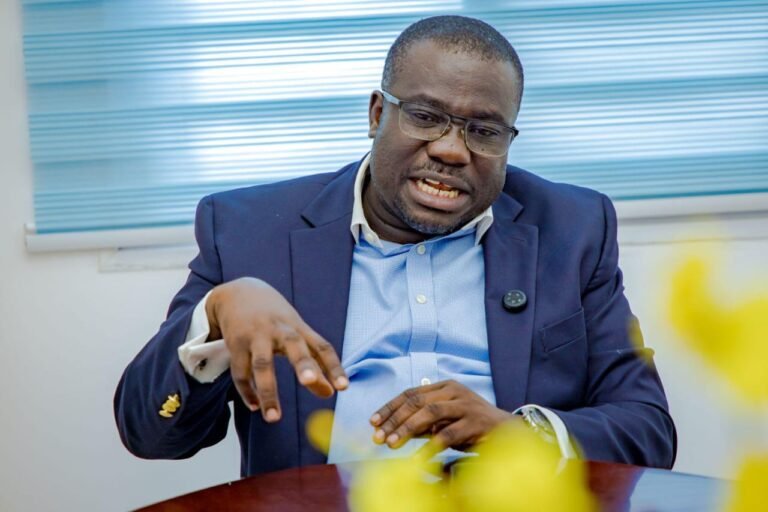
The Chairman of the Okada Riders Association National Board, Mohammed Tijani, has praised the Mahama-led administration for its decision to legalise the Okada business in Ghana.
Speaking during the signing of a Memorandum of Understanding (MOU) between the Okada Riders Association National Board and Okada Motto Ghana to empower Okada riders, Mr. Tijani described the move as a “brilliant idea” that could significantly boost youth employment.
He emphasized that legalising Okada operations would not only create jobs but also contribute positively to the nation’s economy.
Mr. Tijani noted that the government’s plans to regulate the sector would help reduce the frequency of motorbike-related accidents, which he identified as a major challenge facing riders. He expressed confidence that with proper safety measures and oversight, the risks associated with Okada transport could be greatly minimised.
He further highlighted the importance of collaboration between the government and the Okada Riders Association, stating that such partnerships would enhance the welfare of riders and ensure the successful implementation of the legalisation agenda.
 In his closing remarks, Mr. Tijani urged all Okada riders to strictly adhere to the safety guidelines outlined by the government. He stressed that compliance would prevent misunderstandings and foster a healthy relationship between riders and authorities.
Meanwhile, the Chief Executive Officer of Okada Motto Ghana, Dr. Mohammed Sumaila, confirmed that the Okada Riders Association is recognised by the Road Safety Commission and the Ministry of Transport. He explained that this recognition was the reason they reached out to the association to explore ways of working together to achieve a common goal.
He further indicated that the collaboration aims to empower motor riders to carry out their activities effectively, put food on the table, and transform lives in the transportation sector.
“For too long, we have given them names we shouldn’t have. We only go to them when we need them, especially during political seasons, and after that, we ignore them, forgetting the role they play in the transportation sector,” he added.
“Through this empowerment initiative, 1,500 riders have been trained so far, with more than 10,000 others on the list awaiting training,” he noted.
About The Author