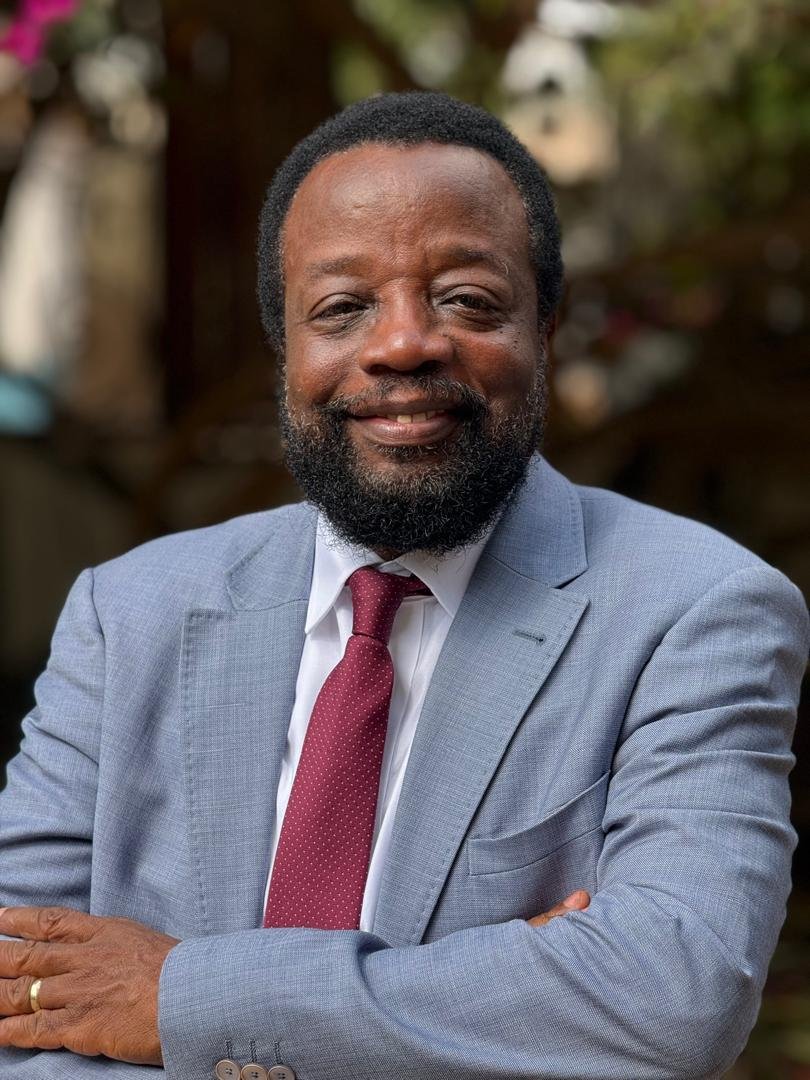
The Progressive Alliance of Ghana (PAG) has called on the Attorney-General and Minister for Justice, Dr. Dominic Akuritinga Ayine, and the Economic and Organised Crime Office (EOCO) to provide full public disclosure on the sources, nature and utilisation of over GH¢337 million reportedly recovered by the agency in 2025.
A press statement signed by Dr. John Kpikpi, 2024 Presidential Candidate of the Progressive Alliance of Ghana, said it had taken note of comments made by the Attorney-General during the Government Accountability Series, where he announced that “EOCO has exceeded its 2025 recovery target which was set at GH¢200,000,000. Recoveries currently stand at about GH¢337,476,119.59… This is the highest recovery in the history of the agency.”
While acknowledging the importance of recovering proceeds of crime, PAG expressed what it described as its “dissatisfaction and deep disappointment” over the lack of details surrounding the recoveries.
According to the statement, the Attorney-General’s address failed to disclose “the identities of the individuals or institutions from whom these monies were recovered,” a development the party says undermines transparency and accountability.
PAG further referenced the Attorney-General’s explanation that “Direct recoveries are recoveries that are deposited directly into the Exhibit Account… Indirect recoveries are recoveries that are paid directly to either GRA or the Consolidated Fund.” However, the party argued that beyond these classifications, “no further details were provided to enable the Ghanaian public to fully understand the nature and sources of these recoveries.”
“Accountability demands more than the announcement of figures. It requires transparency, clarity and full disclosure,” the statement stressed.
As part of its response, PAG, led by its 2024 Presidential Candidate, Dr. John Kpikpi, formally demanded answers to five key questions, including “What exactly was recovered by EOCO, and in what form were these assets or monies retrieved?” and “From whom were these funds recovered, and which individuals or institutions were responsible for the losses to the state?”
The party also questioned the legal consequences arising from the recoveries, asking: “What actions have been taken against the individuals described as having engaged in theft or economic crime, and have any prosecutions, convictions or sanctions followed these recoveries?” Additionally, PAG demanded clarity on “how and for what purposes will these recovered monies be utilised for the benefit of the Ghanaian people.”
PAG argued that the failure to name offenders and outline sanctions weakens Ghana’s anti-corruption efforts. “Naming offenders and explaining the consequences of their actions is central to deterring corruption and restoring public confidence in the justice system,” the statement noted, adding that “the deliberate omission of such critical details only fuels public suspicion and undermines the credibility of the fight against corruption.”
The party therefore called on the Attorney-General and EOCO to “provide a comprehensive public account of these recoveries in the interest of transparency, accountability and good governance.”
PAG further reaffirmed its commitment to “the principles of openness, justice and responsible leadership,” and vowing to continue demanding “full accountability in the management and recovery of public resources.”
About The Author