By M. Arhin AKA The Political Truth
As Ghana’s political landscape intensifies ahead of the New Patriotic Party’s (NPP) flagbearer elections on Saturday, 31st January 2026, the airwaves and social media platforms have been flooded with a surge of polls, many of which appear dubious and strategically timed. Among these is the organization calling itself Sanity Africa, which has recently drawn attention for its claims regarding NPP delegate preferences.
Sanity Africa is widely recognized as a Pan-African civil society organization committed to driving systemic change, promoting justice, and amplifying marginalized voices across the continent. Its mission focuses on exposing corruption, empowering citizens, and holding institutions accountable. The organization has long been a bold voice advocating for transparency and human dignity.
Sanity Africa has recently claimed that Hon. Kennedy Agyapong commands 52 percent support among NPP delegates, suggesting that former Vice President Dr. Mahamudu Bawumia is “losing.” These figures, however, come without any transparency on methodology, sample size, or fieldwork. Can’t one say this poll appears reactive, surfacing suspiciously soon after credible surveys, rather than reflecting independent research?
Or better still, it is the hallmark of what political analysts call “unknown pollsters”—entities that do not conduct original, rigorous research but instead mimic, cherry-pick, or misinterpret credible data to manufacture a narrative.
The result is confusion, not insight. By presenting reactive figures as original findings, such polls mislead party delegates, the media, and the public, creating a false sense of momentum for preferred candidates.
Unfortunately, this pattern is increasingly common in Ghana’s political space. Many so-called “unknown pollsters” do not conduct original field research. Instead, they selectively interpret or mimic the results of reputable polls to manufacture a narrative that suits particular political interests. By surfacing immediately after verified surveys, these entities create the illusion of alternative findings, misleading party delegates and the general public. This is not genuine research; it is political manipulation.
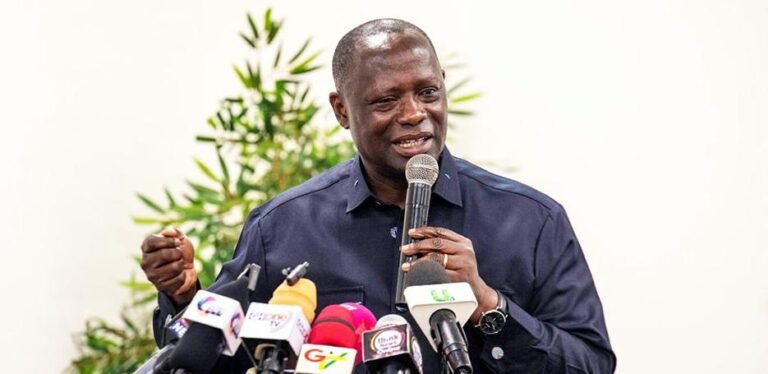
In contrast, credible organizations such as Global InfoAnalytics have consistently demonstrated transparency and methodological rigor. Led by Mussa Dankwah, Executive Director and Head of Research, Global InfoAnalytics invests months in research, employing extensive fieldwork, representative sampling, and clear methodologies. Their August 2025 poll, for example, showed that 52 percent of NPP delegates preferred Dr. Bawumia as the party’s flagbearer, while Ken Agyapong trailed with 17 percent. Similarly, prior to the 2024 general elections, Global InfoAnalytics accurately projected the potential return of John Dramani Mahama to the presidency, a forecast later validated by the official election results.
The contrast is unmistakable. Credible pollsters provide data-driven insights that inform national discourse, while reactive entities risk spreading confusion and eroding public trust. Polls that are not methodologically sound can mislead party delegates, distort perceptions of candidate support, and undermine the integrity of political processes.
As the NPP flagbearer elections approach, with just 19 days remaining, it is imperative for NPP delegates, and the media to prioritize transparency and accountability in political polling. Sanity Africa’s recent foray into delegate polling highlights a broader warning: credibility in research cannot be faked, and numbers presented without methodological backing are inherently unreliable.
Ultimately, political polls should empower citizens and inform debate. When organizations deviate from this principle, they risk becoming tools for narrative manipulation rather than instruments of truth. Ghana’s democratic processes depend on accuracy, transparency, and integrity in political research. Stakeholders, NPP delegates, must therefore distinguish between legitimate polling and reactive figures designed to mislead. In politics, as in research, accountability matters. The NPP’s internal democracy depends on it.
The writer, M. Arhin, also known as [The Political Truth], is a political analyst and commentator renowned for his fearless and no-nonsense approach to Ghanaian politics.
About The Author