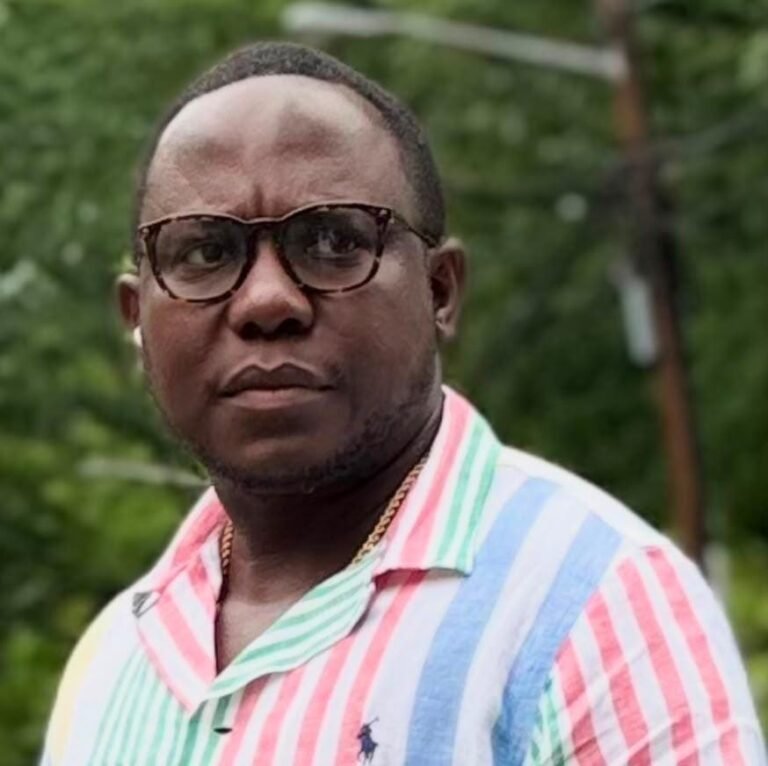
Dr Jeffrey Haynes, Professor Emeritus of Politics, London Metropolitan University, UK
By Professor Jeffrey Haynes
Political prophecy is a form of religious engagement with politics in Ghana. Since the growth of neo-prophetic/‘one-man’ churches in the 1990s, pastors’ prophetic declarations are common not only in relation to election outcomes, but also in reference to divine predictions of the death of high-profile public figures, including politicians and prominent religious figures.
Prophetic politics complicates the political-apolitical framework, deriving from a broad understanding of the political. Prophetic politics supplies the idea of an alternative civitas that allows prophets to function and insert themselves into the public sphere even if they are not explicitly considered political. Thus, in the first instance, prophets pray and deploy proclamations with regard to political matters and figures. Prophetic politics in Ghana is also exemplified in the way their spirituality enables counter-cultural and counter-conventional communities to function as alternative ‘cities’ that either intentionally ignore the broader political realities or simply set out to provide forms of socio-political and economic solidarity for people who otherwise find themselves on the margin of the polis conventionally defined.
In Ghana, neo-Prophetic ministries have introduced new prayer practices such as ‘breaking prayers’, ‘binding prayers’ and ‘trampling prayers’, which align with the spirituality of indigenous religion. Prophetic politics can be an important aspect of pastors’ soft power, providing a significant and growing factor in informal politics in Ghana, helping increase charismatic Christian prophets’ influence as a result of prophecies on public life and political discourse. For example, 31st December Watch Night Prophecies are an annual phenomenon where prophets make public, high-stakes declarations about the coming year’s political, economic, and social events, often creating both hope and alarm. Such influence, which operates outside the purview of formal political institutions, is said to impact significantly on public opinion, voter behaviour, and political strategies.
Faith and politics
Prophets have been a feature of Ghanaian public life for decades, a trend which became pronounced during the growth of the Pentecostal-Charismatic movement. The influence of prophets has expanded through mass media and social media, with surveys indicating a majority of Ghanaians believe that religious leaders influence politics and that divine intervention plays a role in leadership.
Politicians’ reliance on spiritual insights reflects a broad interplay between faith and politics: religion may shape not only personal beliefs but also public and political life, especially during elections. Candidates for political office routinely and publicly display their religious beliefs, attend church services or visit the mosque, consult selected religious leaders and, in addition, may seek public prayers to appeal to the religious values of voters. These practices underscore the widespread expectation in Ghana that political leaders should be both divinely endorsed and morally sound, underlining the popular desire for political leaders to wield power in a way which accords with their faith-based values.
Prophecy and politics
Prophecy and politics in Ghana are deeply intertwined. Religious predictions are a powerful, albeit controversial, tool to influence, legitimise, and shape political outcomes, especially during election cycles. In Ghana more than 70% of the population believes religious leaders influence political life, and prophetic declarations often act as a form of neo-prophetic endorsement or, conversely, a warning to political actors.
Political prophecies are both predictions and active spiritual weapons. Their purpose is to achieve victory, decree judgment, or protect political figures from demonic forces. Election periods in particular are portrayed as battles for the soul of the nation, a time when prophets claim the role of ‘watchmen or ‘watchwomen’ who pray to influence electoral outcomes.
Spiritual leaders predict election outcomes, offer endorsements, and issue warnings about political figures’ safety or prospects of mortality. Critics claim that prophecy has become a lucrative industry, with the commercial aspect further complicating the religious and political landscape. Self-proclaimed prophets may make sensational claims to attract followers, generate donations, and encourage followers to buy their merchandise, including ‘anointing oils’ and bumper stickers.
Many politicians are said to ask self-proclaimed prophets for spiritual succour, predictions of electoral victory, or to bolster their public image as authentic Christians. Prophecies about political events and leaders are a common phenomenon, which encourages some voters while discouraging others, potentially eroding public trust in the formal electoral system. In addition. prophecy is deeply intertwined with many Ghanaians’ worldviews, reflecting strong belief in the power of the Holy Spirit and the blood of Jesus Christ, to overcome spiritual forces and bring about desired outcomes. For many Ghanaians, the world is a place of constant spiritual battles with malevolent forces, leading to a pursuit of instant results through prayer rituals. This understanding influences various aspects of Ghanaian Pentecostal spirituality including the role of prophets.
Prophetic politics in Ghana
Attributing revelations to a conversation with God, some claim prophecy is an important way to implement a new, spiritualised order. Construction and contestations of social-political and economic power are performed against the backcloth of sacrality; where spirits, demons, witches, principalities and God are believed to be interested in who exercises political authority, and on whose behalf, in the community.
Prophetic politics in Ghana involves pastors seeking to use their religious and moral authority to influence their large personal followings as well as politicians and public opinion more generally. Critics claim this blurs the lines between church and state, leading to debates about whether Ghana can be considered a secular democracy. Politicians seek blessings and some prophets offer endorsements, and there is controversy involving, on the one hand, what is regarded as ‘genuine’ spiritual guidance and, on the other hand, potential manipulation for political or financial gain. Critics also believe that political prophecies destabilise politics and political processes by fuelling mistrust and division. According to analysis of prophecies from the 2013-2016 period, the phenomenon may negatively impact on political stability by exacerbating existing mistrust in the electoral process and deepening identity politics.
About The Author