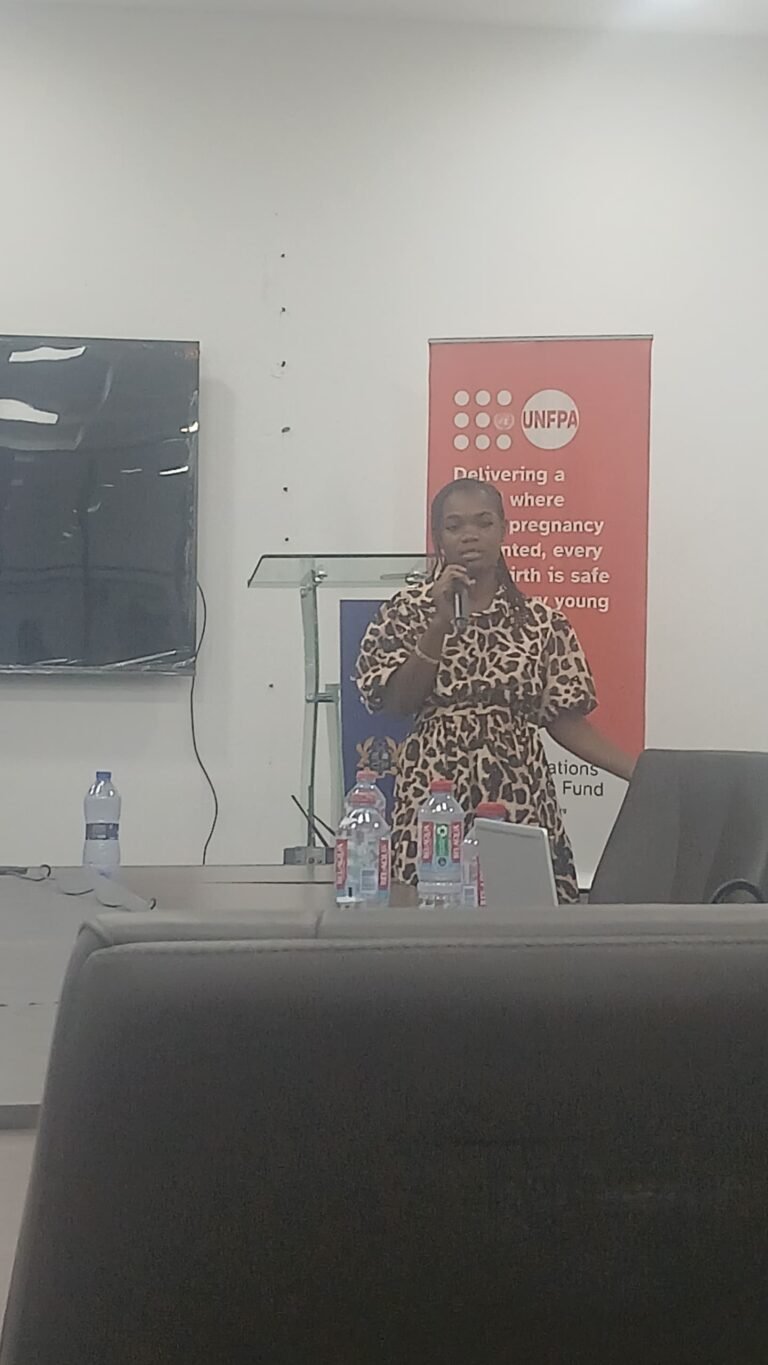
Some IPs of UNFPA Ghana
By Bright Philip Donkor
Implementing partners (IPs) of the United Nations Population Fund (UNFPA) in Ghana are stepping up interventions to protect adolescent girls from child marriage, teenage pregnancy and gender-based violence, while empowering young people with the knowledge and confidence to make informed decisions about their lives.
The interventions, being carried out in communities and schools across the country, combine education on sexual and reproductive health and rights with practical support for vulnerable girls, community engagement and efforts to challenge harmful attitudes and practices that expose adolescents to abuse and exploitation.
The initiatives involve non-governmental organisations and public institutions, including International Needs Ghana (INGH), the National Commission for Civic Education (NCCE), the Ghana Health Service (GHS), the Ghana Education Service (GES), and Purim African Youth Development Platform (PAYDP), working under different UNFPA-supported programmes to strengthen the protection, health and development of adolescent girls.
At a one-day capacity-building workshop on UNFPA Country Programme Reporting and Development Communication in Accra on Thursday, November 5, 2026, representatives of the implementing partners outlined how their respective interventions were reaching vulnerable adolescents, engaging families and communities, and creating opportunities for young people to take charge of their futures.
Community protection beyond educating girls
International Needs Ghana is targeting 1,500 adolescent girls and 900 boys under its Promoting Adolescent Safe Spaces (PASS) Project in the Central Region, with particular attention to out-of-school girls, adolescent mothers and pregnant teenagers.
The project, being implemented in Gomoa East District, Awutu Senya East Municipality and Awutu Senya West District, also engages parents and community members to create safer environments for adolescents.
Gloria Mateko Asare, Project Manager of the PASS Project at INGH, said the intervention recognised that educating girls about their rights and personal safety would not be sufficient if the community environments in which they lived remained unsafe.
She said the organisation had therefore extended its engagements to groups whose conduct could affect the safety of adolescent girls, including commercial motorbike riders, popularly known as Okada riders.
“If you empower the girls and the perpetrators are out there, then it is like using a basket to fetch water from the river. The space is still not safe,” she said.
Ms Asare explained that the project also worked with parents to strengthen their understanding of their responsibilities towards their children, particularly in providing the guidance, supervision and support needed to protect them from exploitation.
She disclosed that about 32 adolescent mothers had been engaged under the intervention, with some expressing interest in returning to school while others wanted to acquire vocational skills to become economically independent.
INGH is also implementing the UNFPA Adolescent Girls’ Programme (AGP) and exploring ways to replicate some of its interventions to reach more vulnerable girls.
NCCE expands gender-based violence education to men and boys
The National Commission for Civic Education is intensifying education on sexual and reproductive health and gender-based violence in the Ashanti, Eastern, Volta and North East regions under the Adolescent Girls’ Programme.
A Principal Civic Education Officer at the Commission, Hagar Ampah, said the NCCE had expanded its GBV education to include men and boys, recognising that they could also experience violence and had an important role to play in preventing abuse.
She explained that although discussions on gender-based violence often focused on women and girls, it was necessary to engage males in prevention efforts and provide them with opportunities to discuss their own experiences.
The Commission uses community-based platforms, including girls’ clubs, hairdressers’ and dressmakers’ associations, shops and church groups, to reach adolescents and other community members.
Ms Ampah said separate sessions were organised for males and females to provide safe spaces where participants could discuss sensitive issues and ask questions without feeling uncomfortable.
The NCCE also uses mobile vans fitted with public address systems to take public education directly into communities, alongside radio discussions and community information centres.
She said the Commission engaged health institutions, traditional authorities, religious leaders, faith-based organisations and other opinion leaders before commencing activities in communities to secure their support and encourage participation.
Safety-net support for girls at risk of child marriage
The Ghana Health Service, meanwhile, is working with UNFPA and the United Nations Children’s Fund (UNICEF) to support a safety-net programme for adolescent girls at risk of child marriage and those who have dropped out of school.
Dr. Doris Amarteifio, Programme Manager for Family Planning at the Family Health Division of the GHS, said some girls remained trapped in difficult circumstances despite receiving information about their rights and the dangers of child marriage.
She said such girls needed practical support to leave environments that exposed them to harmful practices and regain opportunities to pursue their education and development.
“Some of the girls fall out of the net. You have provided information, but depending on where the girl finds herself, she might still be trapped. She has the knowledge, but she needs a way to move out of that environment,” she said.
Dr. Amarteifio explained that the intervention focused not only on girls who had already experienced child marriage but also on identifying and supporting those at risk before they were forced into early unions.
She said the GHS was working with the Ghana Education Service, traditional authorities, opinion leaders and other stakeholders to strengthen community education and support for vulnerable adolescents.
She stressed that community involvement was essential to changing attitudes towards child marriage, noting that traditional and opinion leaders had considerable influence over practices within their communities.
“We cannot do this without working with the communities,” she emphasised.
The Service also works through school health education coordinators to reach girls in schools, while adolescent-friendly health services provide young people with guidance on reproductive health, unintended pregnancy prevention and other issues affecting their wellbeing.
Dr. Amarteifio further called for an end to the judgement of adolescents who seek family planning services, arguing that young people needed access to appropriate information and support, particularly those who were already sexually active or had experienced sexual violence.
She noted that some adolescents became sexually active before the age of 18 through circumstances beyond their control, including rape and defilement, and should not be denied reproductive health information and services.
GES trains 600 students as peer educators
In the education sector, the Ghana Education Service, through its School Health Education Programme (SHEP) Unit, has trained about 600 adolescent learners as peer educators to strengthen school-based efforts to combat gender-based violence and promote reproductive health.
The training, which involved boys and girls, with girls forming the majority, equipped participants with knowledge and practical skills in gender-based violence, reproductive health, menstrual hygiene management and healthy lifestyles.
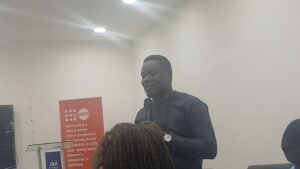
Programme Officer at the SHEP Unit, Ernest Amoah Ampah, said the sessions were organised in February and October 2026, with teachers also trained to guide and support the peer educators as they engaged fellow students.
He said the training adopted practical approaches, including group exercises, panel discussions and interactive sessions, to build the confidence of students to lead conversations on sensitive issues affecting adolescents.
Mr Ampah recounted the experience of a female participant who had suffered sexual abuse by her father and initially remained withdrawn during a session on gender-based violence.
He said the girl later sought clarification from a female facilitator about whether a person who had been raped but had not engaged in sexual activity afterwards could still consider herself a virgin.
According to him, the facilitator’s response helped the participant understand that she was not responsible for the abuse and that the experience did not diminish her worth.
The girl subsequently became more confident, assumed a leadership role in her group and actively contributed to discussions.
Mr Ampah said the experience demonstrated how accurate information and supportive learning environments could help adolescents overcome shame and gain the confidence to speak about abuse and their rights.
He also shared the experience of a male participant who disclosed that his stepfather frequently abused his mother. The boy believed the mistreatment was connected to his presence in the family and was motivated to perform well academically so he could eventually support and protect his mother.
Mr Ampah said such accounts reinforced the importance of engaging boys alongside girls in efforts to prevent gender-based violence and create safe environments for adolescents.
The GES initiative is being implemented through the Ministry of Education, with complementary education agencies and technical and vocational education and training institutions also being brought on board.
PAYDP’s efforts on SRH education, livelihood training and mentorship
For her part, Rev. Aku Xornam Adzraku-Kev, the Executive Director of Purim African Youth Development Platform (PAYDP), said interventions implemented under the United Nations Population Fund (UNFPA) Global Programme to End Child Marriage had adopted an integrated approach that combined sexual and reproductive health education, livelihood empowerment, prevention of sexual and gender-based violence, and mentorship.
She explained that the programme was designed to address the multiple challenges confronting adolescent girls, particularly those in vulnerable communities, by equipping them with the knowledge, skills and support systems needed to protect themselves and build independent futures.
She said PAYDP had worked in several communities across the Greater Accra, Ashanti, North East and Upper East regions, providing education and services to help girls understand their sexuality, exercise their rights and make informed reproductive health decisions.
Under the sexual and reproductive health component, she said the organisation conducted community outreach programmes and collaborated with the Ghana Health Service, the Planned Parenthood Association of Ghana (PPAG) and other health professionals to bring essential reproductive health information and services closer to adolescent girls.
The interventions also involved religious leaders, traditional authorities and parents to address cultural and traditional beliefs that often discouraged open conversations about sexuality, contraception and family planning.
She observed that cultural practices and misconceptions had historically influenced girls’ access to family planning information and reproductive health services, making community engagement an important part of the programme.
Strengthening media coverage of development interventions
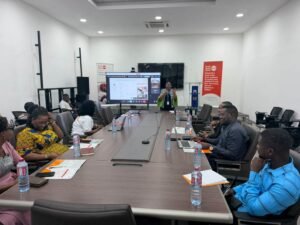
The experiences shared by the implementing partners formed part of a broader effort to improve public understanding and media coverage of UNFPA-supported programmes in Ghana.
The one-day workshop was organised by the Media and Communication Advocacy Network (MCAN), in collaboration with UNFPA, to strengthen media engagement and development reporting on the UNFPA Ghana Country Programme.
It also provided an opportunity to identify and document human-interest stories from implementing partners and beneficiaries of the Adolescent Girls and Child Marriage programmes, highlighting the experiences, achievements and impact of interventions in communities.
The Adolescent Girls’ Programme in Ghana is a joint initiative implemented by UNFPA Ghana and UNICEF Ghana, with funding and support from Global Affairs Canada. It took off in 2025 and focuses on empowering vulnerable adolescent girls and young women, improving their access to essential information and services, and addressing challenges that threaten their rights and development.
Through the combined efforts of its implementing partners, the programme and related interventions seek to move beyond awareness creation by strengthening community protection, expanding access to adolescent-friendly services and creating opportunities for vulnerable girls to continue their education and build independent futures.

About The Author