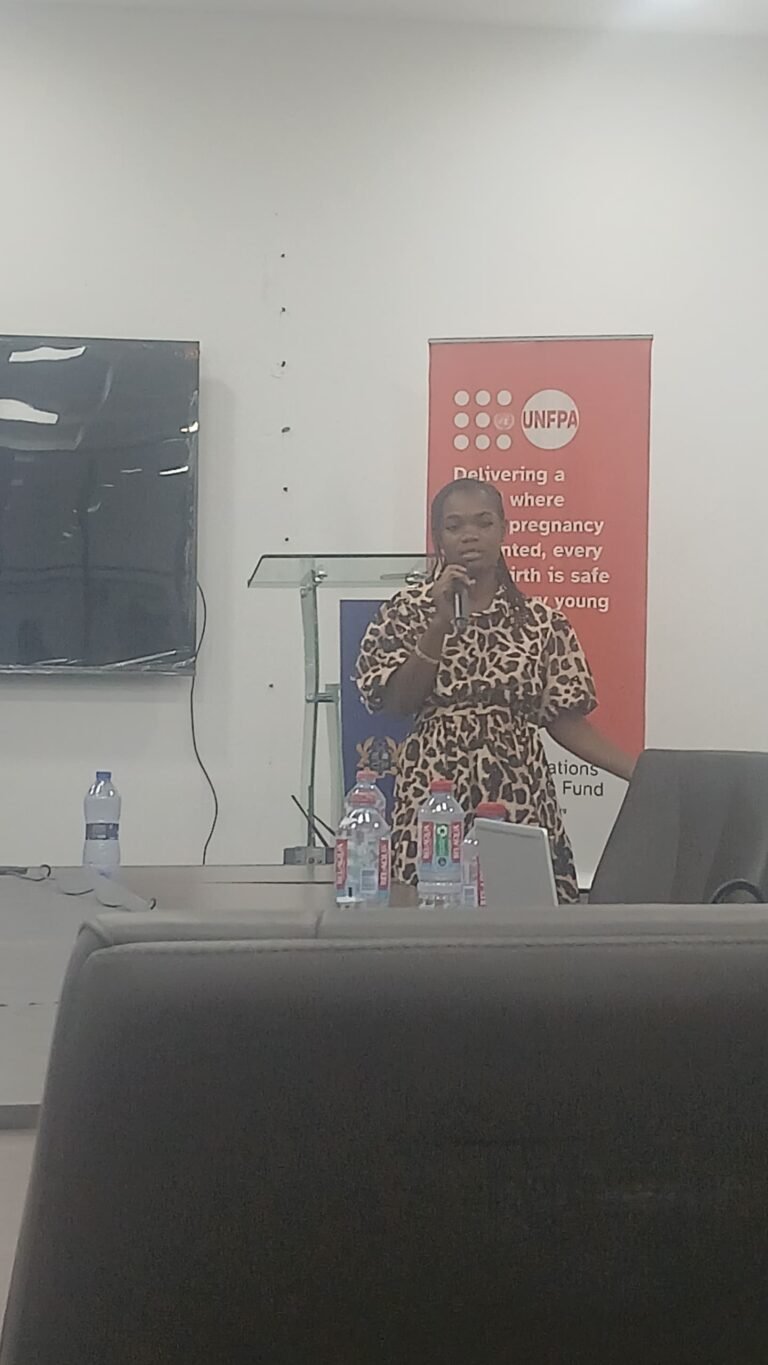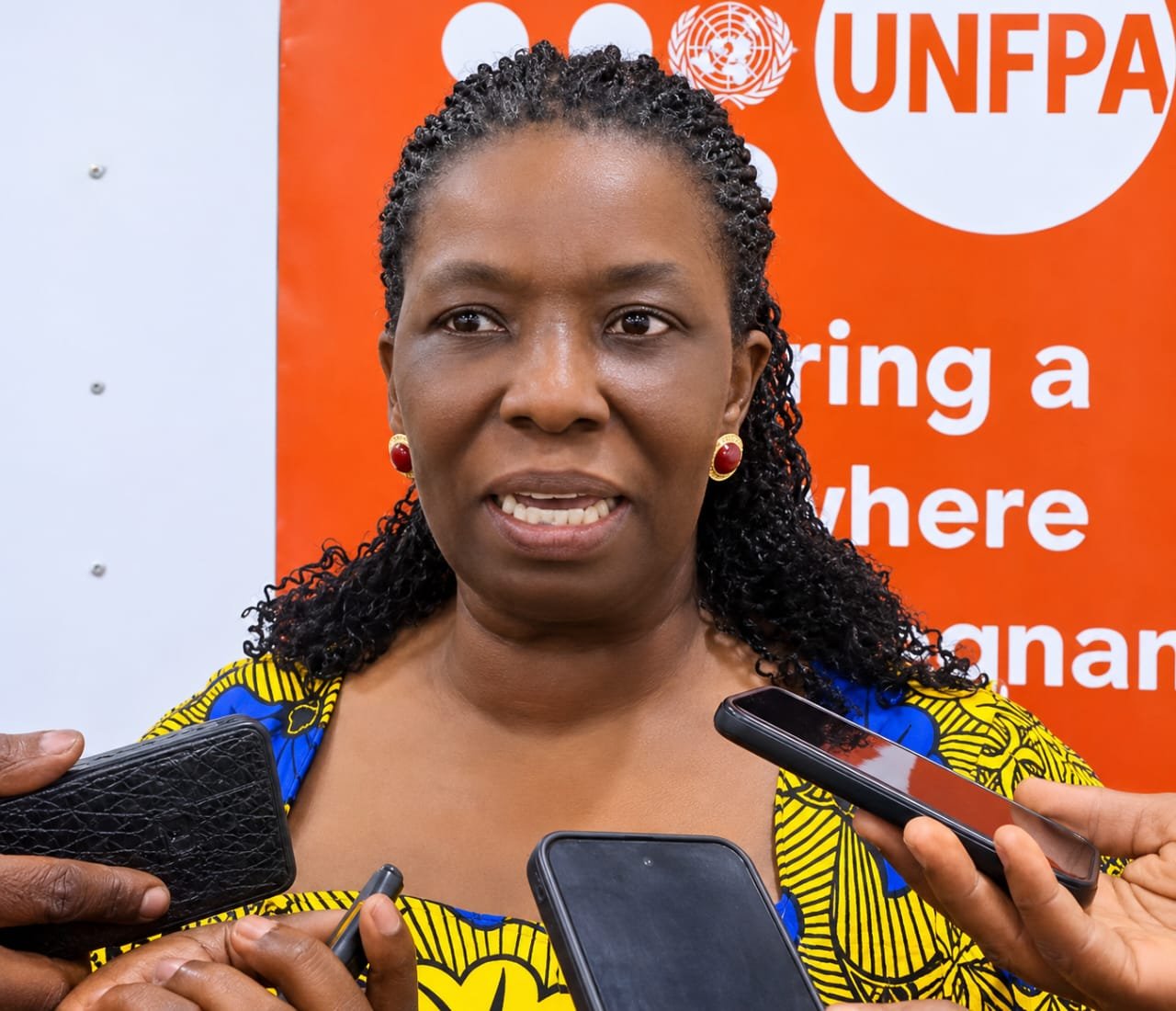
Rev. Aku Xornam Adzraku-Kevi, the Executive Director of the Purim African Youth Development Platform (PAYDP)
By Bright Philip Donkor
The Purim African Youth Development Platform (PAYDP) has intensified efforts to protect adolescent girls from child marriage and empower them to make informed decisions about their sexual and reproductive health, acquire sustainable livelihood skills and pursue leadership opportunities.
The organisation’s Executive Director, Rev. Aku Xornam Adzraku-Kevi, said interventions implemented under the United Nations Population Fund (UNFPA) Global Programme to End Child Marriage had adopted an integrated approach that combined sexual and reproductive health education, livelihood empowerment, prevention of sexual and gender-based violence, and mentorship.
She explained that the programme was designed to address the multiple challenges confronting adolescent girls, particularly those in vulnerable communities, by equipping them with the knowledge, skills and support systems needed to protect themselves and build independent futures.
Speaking about the programme’s impact one-day capacity-building workshop on UNFPA Country Programme Reporting and Development Communication in Accra on Thursday, November 5, 2026, Rev. Adzraku-Kevi said PAYDP had worked in several communities across the Greater Accra, Ashanti, North East and Upper East regions, providing education and services to help girls understand their sexuality, exercise their rights and make informed reproductive health decisions.
Under the sexual and reproductive health component, she said the organisation conducted community outreach programmes and collaborated with the Ghana Health Service, the Planned Parenthood Association of Ghana (PPAG) and other health professionals to bring essential reproductive health information and services closer to adolescent girls.
The interventions
The interventions also involved religious leaders, traditional authorities and parents to address cultural and traditional beliefs that often discouraged open conversations about sexuality, contraception and family planning.
She observed that cultural practices and misconceptions had historically influenced girls’ access to family planning information and reproductive health services, making community engagement an important part of the programme.”Family planning and issues of sexual and reproductive health are very evident among our sisters because of culture, tradition and all these things,” she said.However, she noted that sustained education by PAYDP and other implementing partners had contributed to changes in attitudes, with more girls becoming receptive to family planning methods and reproductive health services.
She added that the programme had also expanded engagement with men and boys, recognising their important role in challenging harmful gender norms, preventing sexual and gender-based violence and supporting girls’ reproductive health choices.
Livelihood training to promote economic independence
Beyond reproductive health education, Rev. Adzraku-Kevi said PAYDP had placed significant emphasis on livelihood empowerment to help adolescent girls and young women develop practical skills that could improve their economic prospects.
She explained that the organisation deliberately designed its livelihood interventions around the interests and aspirations of the girls rather than imposing conventional vocational training options on them.In communities in northern Ghana, beneficiaries received training in animal rearing and basket weaving, while others were introduced to traditionally male-dominated occupations such as electrical installation and plumbing.
The organisation also provided training in soap and detergent production, with plans to formalise a business initiative known as Caseline to enable participating girls to produce and market detergents and related products.
In Kumasi, PAYDP operates a centre where girls receive training in the processing of root and tuber crops into value-added products, including cassava flour and potato flour, which can be used in confectionery and pastry production.
According to her, the approach is intended to ensure that girls acquire skills that match their interests while creating opportunities for income generation, entrepreneurship and long-term financial independence.
“When the opportunity arises, we put these girls into this training based on what they are interested in,” she explained.
She said equipping girls with employable and entrepreneurial skills was particularly important in preventing situations in which economic vulnerability could expose them to child marriage, exploitation and other forms of abuse.
Strengthening referral systems to protect vulnerable girls
On efforts to address sexual and gender-based violence and harmful traditional practices, Rev. Adzraku-Kevi said PAYDP worked closely with relevant government institutions and other service providers to ensure that girls who experienced abuse received appropriate assistance.
She disclosed that some beneficiaries had experienced child marriage and female genital mutilation, requiring specialised interventions and support beyond the organisation’s direct capacity.
Such cases, she said, were referred to the Domestic Violence and Victim Support Unit (DOVVSU) of the Ghana Police Service, the Department of Social Welfare and other relevant government agencies for further assistance and protection.
She stressed that ending child marriage and protecting vulnerable girls required a coordinated response involving civil society organisations, government institutions and other development partners.
According to her, strengthening referral systems and institutional collaboration was necessary to ensure that girls continued to receive support even when an implementing organisation lacked the resources or technical capacity to handle particular cases.
She said the approach would prevent organisations from working in isolation and promote a more sustainable system of protection for vulnerable children.
“That is why we talk about system strengthening. If the NGO does not exist or does not have the capacity, there are other partners and government agencies that should be able to support the work so that we don’t work in silos,” she stated.
Chief Justice mentorship programme creates leadership opportunities
Rev. Adzraku-Kevi also highlighted the Chief Justice Mentorship Programme as one of the interventions providing adolescent girls with opportunities to develop confidence, leadership skills and a greater understanding of their rights and responsibilities.
She said the mentorship initiative, associated with former Chief Justice Justice Georgina Theodora Wood, was introduced with support and advocacy from UNFPA to encourage young people, particularly girls, to aspire to leadership positions and understand the importance of justice and the rule of law.
She noted that PAYDP had advocated for the inclusion of Kayayei, or female head porters, in the programme to ensure that girls from marginalised backgrounds were not excluded from such opportunities.
The initiative has since expanded to include mentorship clubs in different parts of the country, with two clubs established in Accra, one in the Ashanti Region and another in Walewale in the North East Region.She disclosed that the former Chief Justice had recently visited Walewale to inaugurate the mentorship clubs, particularly those established for Kayayei, describing the development as an important step towards extending leadership opportunities to girls who are often overlooked.She said the programme was helping participants appreciate their potential, build confidence and recognise that their backgrounds should not limit their ambitions.
Rev. Adzraku-Kevi described the mentorship initiative as transformative, noting that providing girls with access to accomplished female role models could inspire them to pursue education, leadership and other oppopportunities.
Innovative approaches under Adolescent Girls Programme
She further disclosed that under the UNFPA Adolescent Girls’ Programme (AGP), PAYDP had introduced innovative engagement activities, including entertainment-based interventions, to reach and educate young people.
One of such approaches involved the use of flash mobs to attract public attention and communicate important messages to adolescent girls and their communities.
The AGP is funded and supported by Global Affairs Canada.
She explained that the creative activities complemented the organisation’s other interventions by making education and advocacy more engaging and accessible to young people.
Rev. Adzraku-Kevi said the experiences of PAYDP and other implementing partners demonstrated the importance of sustained investment in programmes that addressed the interconnected social, economic and reproductive health challenges confronting adolescent girls.
She noted that although implementing partners operated in different regions and communities, many were pursuing similar interventions aimed at improving girls’ access to education, health information, economic opportunities and protection services.She expressed confidence that the combined efforts were making a meaningful difference in the lives of beneficiaries and urged greater collaboration among development partners, government institutions, traditional authorities, religious leaders and communities.
She said empowering adolescent girls required more than educating them about the dangers of child marriage; it also demanded practical interventions that gave them the confidence, economic opportunities, institutional protection and mentorship needed to shape their own futures.
Global Programme to Accelerate Action to End Child Marriage
The UNFPA Global Programme to End Child Marriage and the Adolescent Girls Programme are among the interventions supporting efforts to protect girls from harmful practices, strengthen their rights and expand opportunities for their development and participation in society.
According to the UNFPA, UN’s Sexual and Reproductive Health Agency, one in five girls are formally married or are engaged in an informal union before their 18th birthday.
In Ghana, about one in five girls below age 18 years would experience child marriage, with the country already a home to over two million child brides (UNICEF/ UNFPA).
The Global Programme to Accelerate Action to End Child Marriage promotes the rights of adolescent girls from age 10 to 19 to avert marriage and pregnancy and enables them to achieve their aspirations through education and alternative pathways.
In 2016, UNFPA and United Nations Children’s Fund (UNICEF) launched a global programme to tackle child marriage in 12 of the most high-prevalence or high-burden countries: Bangladesh, Burkina Faso, Ethiopia, Ghana, India, Mozambique, Nepal, Niger, Sierra Leone, Uganda, Yemen and Zambia.
About The Author