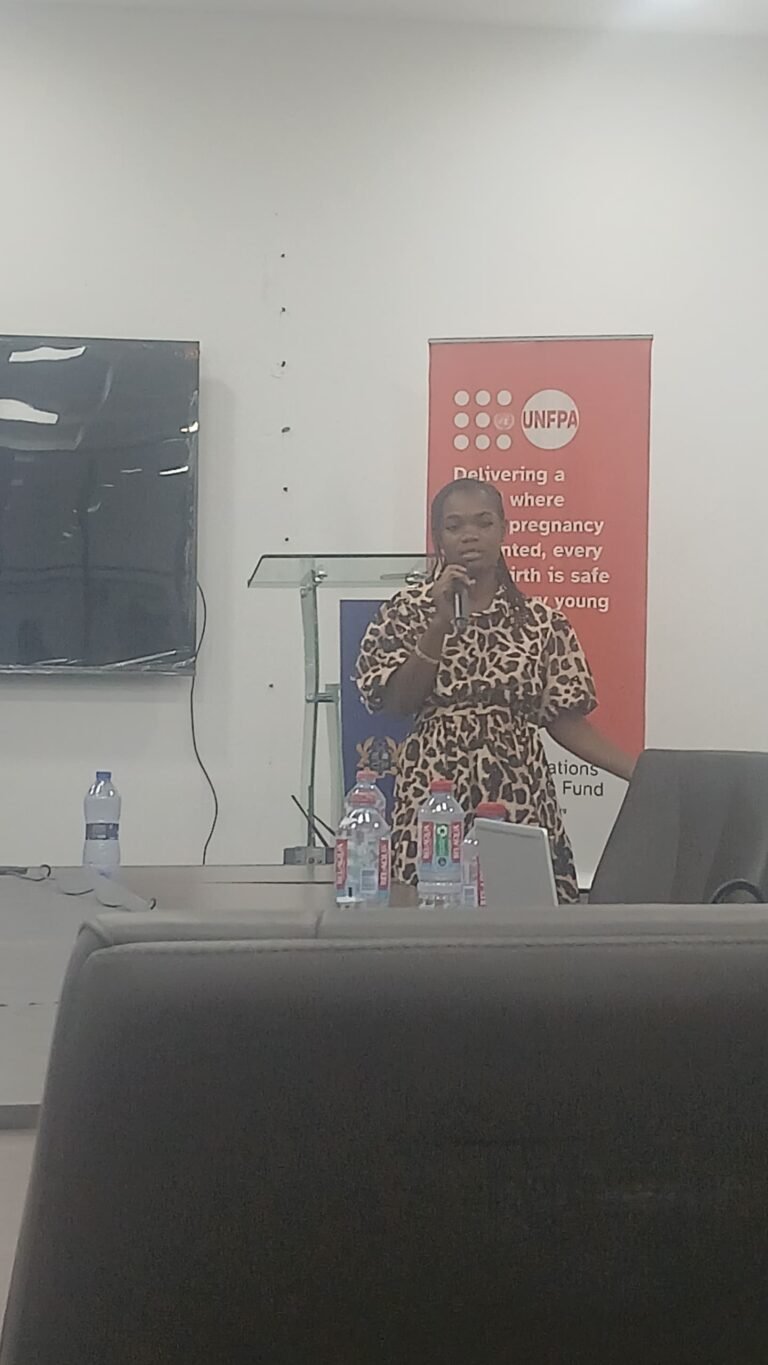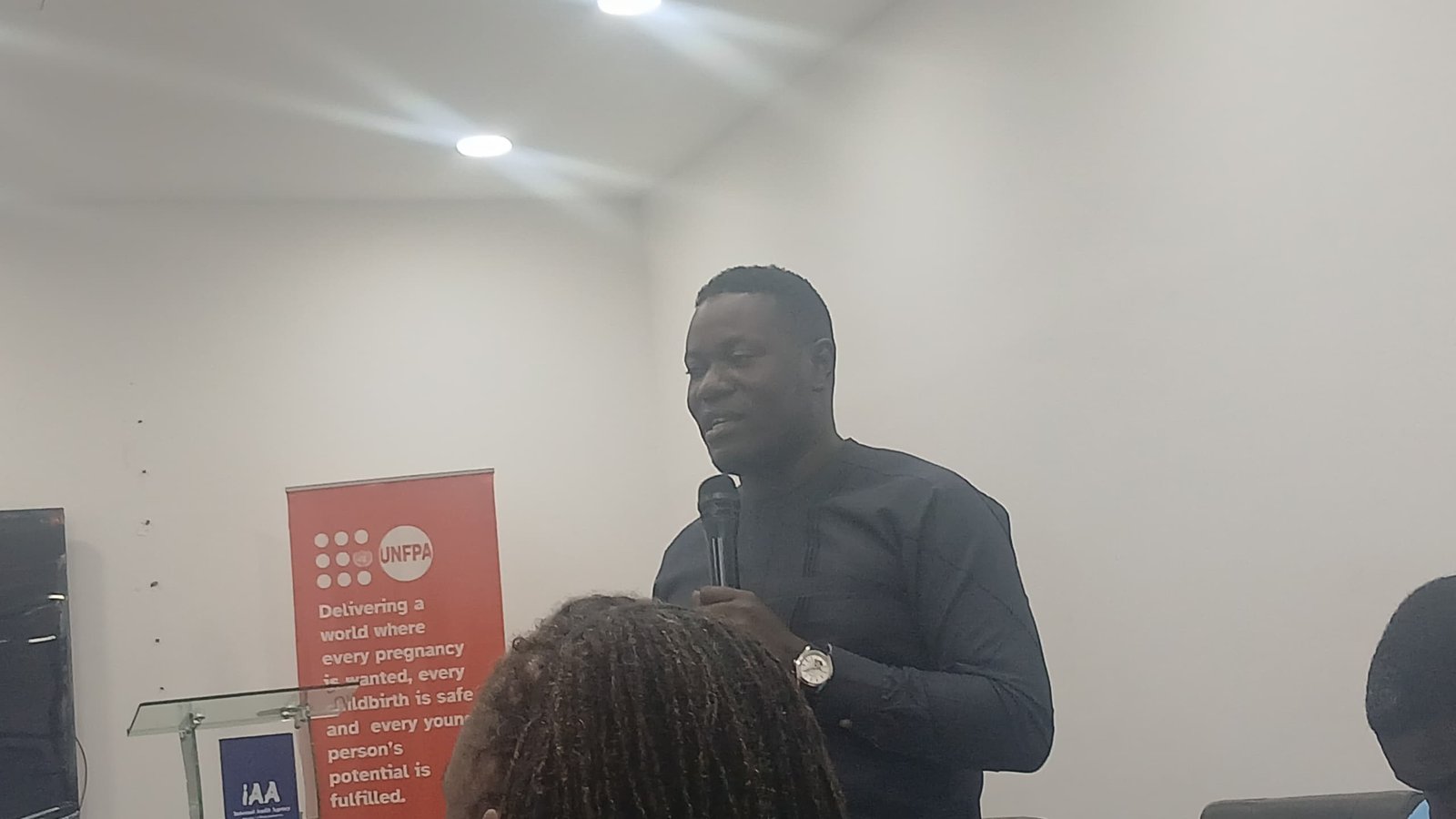
Mr Ernest Amoah Ampah, Programme Officer at the School Health Education Programme (SHEP) Unit, Ghana Education Service (GES)
By Bright Philip Donkor
The Ghana Education Service (GES), through its School Health Education Programme (SHEP) Unit, has trained about 600 adolescent learners as peer educators under the United Nations Population Fund (UNFPA) Adolescent Girls Programme (AGP) to strengthen efforts to combat gender-based violence and promote reproductive health education in schools.
The AGP, which took off in 2025, is being implemented jointly by United Nations Population Fund (UNFPA), and United Nations International Children’s Emergency Fund (UNICEF), with support and funding from Global Affairs Canada, in collaboration with the regional coordinating councils in the Volta, Easting, Ashanti, and North East regions.
The training, which brought together both boys and girls, with girls forming the majority, equipped participants with knowledge and practical skills to educate their peers on gender-based violence, reproductive health, menstrual hygiene management and healthy lifestyles.
The initiative also involved the training of teachers to provide guidance and follow-up support to the adolescent peer educators as they undertake school-based sensitisation activities, using specially developed activity cards to facilitate discussions and share information with their colleagues.
In a brief address at a one-day capacity-building workshop on UNFPA Country Programme Reporting and Development Communication in Accra on Thursday, November 5, 2026, Mr Ernest Amoah Ampah, Programme Officer at the SHEP Unit of the GES, said the programme was being implemented through the Ministry of Education, with other agencies under the Ministry, including complementary education agencies and technical and vocational education and training (TVET) institutions, also being brought on board.
Peer education
He said the peer education sessions were organised in February and October this year, with the aim of building the capacity of adolescents to become leaders and reliable sources of information among their peers.
According to him, the training went beyond classroom presentations, adopting practical and participatory approaches that enabled students to develop confidence in discussing sensitive issues and supporting colleagues who might be experiencing abuse or other challenges.
Participants were taken through group exercises, panel discussions and interactive sessions, during which they learnt how to moderate discussions, serve as panellists and lead conversations on issues affecting adolescents.
Mr Ampah said the activity cards developed for the programme provided structured guidance for peer educators during school health sessions and engagements with fellow students, ensuring that the information shared reflected the subjects covered during their training.
He recounted the experience of a female participant who had suffered sexual abuse by her father and initially remained withdrawn during a training session on gender-based violence.
He said the participant appeared distressed as the subject was discussed but later sought clarification from a female facilitator about whether a person who had been raped but had not engaged in sexual activity afterwards could still consider herself a virgin.
Mr Ampah said the facilitator’s response helped the girl understand that she was not responsible for the abuse she had suffered, and that the incident did not diminish her worth.
He said the participant subsequently became more confident, took up a leadership role in her group and actively contributed to discussions.
According to him, the experience demonstrated how accurate information and supportive learning environments could help adolescents overcome feelings of shame and develop the confidence to participate in conversations about abuse and their rights.
He also shared the experience of a male participant who disclosed that his stepfather frequently abused his mother, with the boy believing the mistreatment was connected to his presence in the family.
The boy, he said, was motivated to perform well academically so he could eventually support and protect his mother.
Mr Ampah said the account also inspired another male participant, highlighting the importance of creating safe spaces where adolescents could share their experiences, learn from one another and understand how to respond to violence within their homes and communities.
He stressed that involving boys alongside girls was important to the programme because addressing gender-based violence required the participation of both sexes, particularly in challenging harmful attitudes and encouraging respect for the rights and dignity of others.
He said the GES would continue to work through the Ministry of Education and its agencies to strengthen the programme and ensure that trained peer educators translated the knowledge acquired into meaningful engagements within their schools.
The initiative forms part of broader efforts under the UNFPA Adolescent Girls’ Programme to empower young people with the knowledge, confidence and skills to protect themselves, recognise abuse and contribute to safer and more supportive learning environments.
The AGP in Ghana is a joint initiative funded and supported by Global Affairs Canada.
The workshop
The one-day workshop was organised by the Media and Communication Advocacy Network (MCAN), in collaboration with UNFPA, to strengthen media engagement and development reporting on the UNFPA Ghana Country Programme.
Beyond the training sessions, the workshop provided an opportunity to identify and document human-interest stories from implementing partners and beneficiaries of the Adolescent Girls and Child Marriage programmes.
It also highlighted the experiences, achievements and impact of UNFPA-supported interventions in communities, with the aim of improving media coverage of development programmes and the changes they bring to the lives of beneficiaries.
About The Author