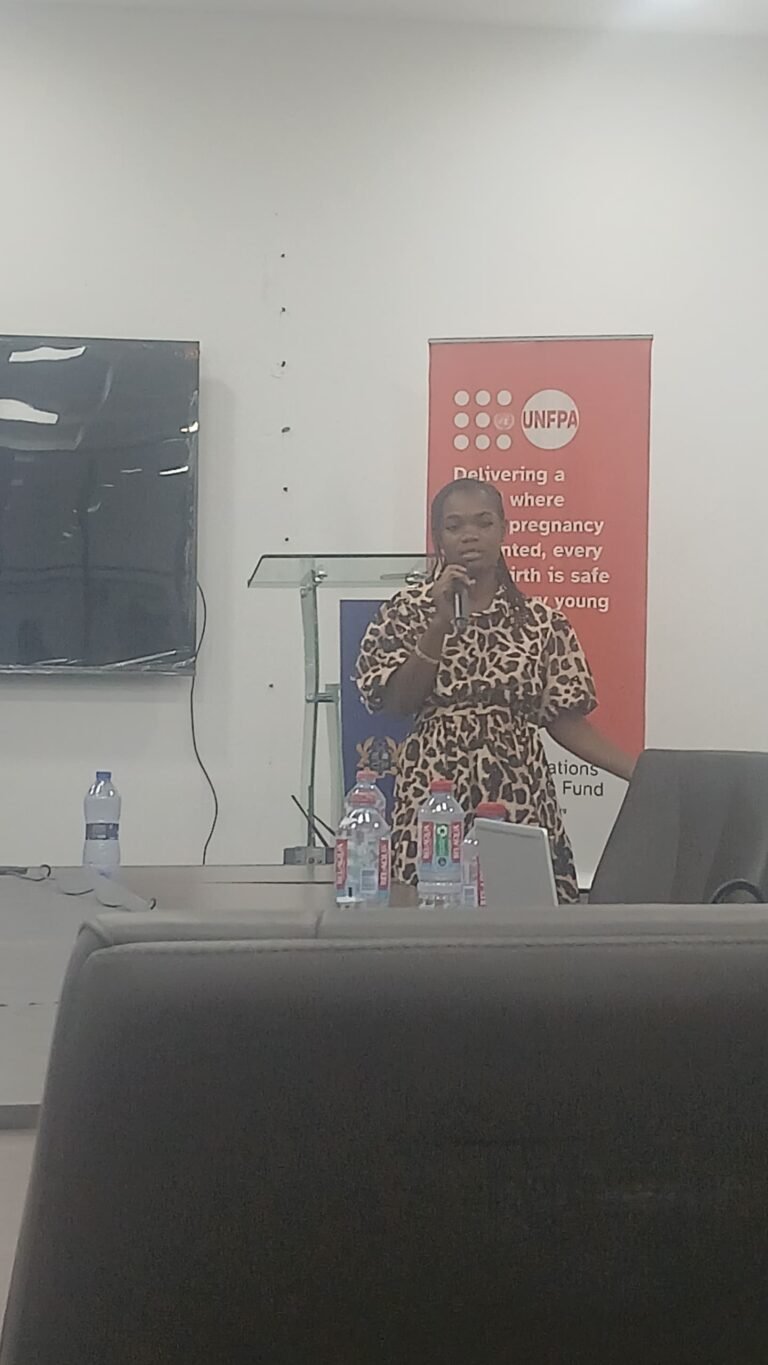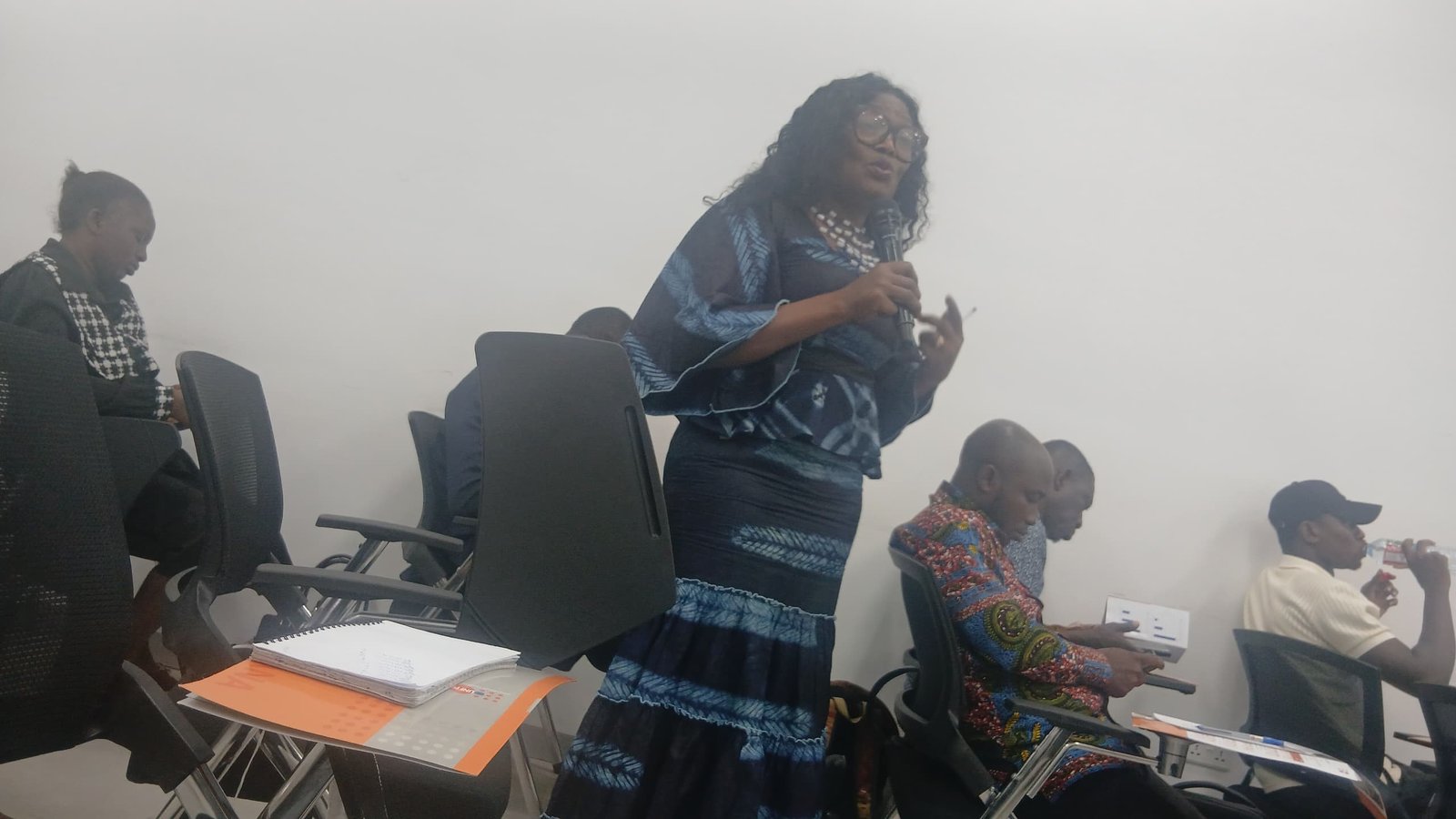
Dr. Doris Amarteifio, Programme Manager for Family Planning at the Family Health Division of the Ghana Health Service (GHS)
By Bright Philip Donkor
The United Nations Population Fund (UNFPA) and the United Nations Children’s Fund (UNICEF) are supporting a safety-net programme to help adolescent girls at risk of child marriage and those who have fallen out of school overcome vulnerabilities and rebuild their lives, the Ghana Health Service (GHS) has said.
In a brief address at a one-day capacity-building workshop on UNFPA Country Programme Reporting and Development Communication in Accra on Thursday, November 5, 2026, Dr. Doris Amarteifio, Programme Manager for Family Planning at the Family Health Division of the Ghana Health Service, said the intervention formed part of broader efforts to protect adolescent girls from child marriage, early pregnancy and other harmful practices through community engagement, education and access to adolescent-friendly health services.
She explained that while providing girls with information about their rights was essential to preventing child marriage, some remained trapped in difficult circumstances and required additional support to escape.
“Some of the girls fall out of the net. You have provided information, but depending on where the girl finds herself, she might still be trapped. She has the knowledge, but she needs a way to move out of that environment,” she said.
Safety-net programme
Dr. Amarteifio said the safety-net programme, supported by UNFPA and UNICEF, was designed to provide assistance to girls facing such challenges, particularly those who had dropped out of school or were at risk of losing their educational opportunities.
She stressed that the interventions were not limited to rescuing girls after they had been forced into early marriage but also focused on reaching them before they became vulnerable to such situations.
According to her, the Ghana Health Service was working closely with the Ghana Education Service and other stakeholders to provide adolescent girls with information and support to protect themselves against unintended pregnancies and enable them to continue their education.
She said community engagement was also central to the fight against child marriage, explaining that the Service worked with traditional authorities, opinion leaders and other influential community members to discourage the practice.
Dr. Amarteifio noted that community leaders played an important role because of their influence over local attitudes and practices, adding that their support was necessary to ensure that community members understood that marrying off a person below 18 years was an offence.“We cannot do this without working with the communities,” she emphasised.
She cited the collaboration between the Ghana Health Service and community leaders, as well as its partnership with the School Health Education Programme of the Ghana Education Service, as important components of the intervention.She explained that the Service worked through school health education coordinators to reach girls in school, while also extending education and health information to adolescents outside the formal school system.
Dr. Amarteifio said empowering girls with knowledge of their rights was particularly important because some might consider decisions by their parents or guardians to give them out in marriage as matters they had no right to challenge.
She said when girls understood that child marriage violated their rights, they would be better equipped to speak out, seek assistance and report attempts to force them into marriage.
Beyond community education, she said the Ghana Health Service was strengthening access to adolescent-friendly health services through trained nurses and other health personnel who engaged young people and provided them with relevant information.
She explained that the services enabled adolescents to obtain guidance on protecting their health, preventing unintended pregnancies and making informed decisions about their lives.
Dr. Amarteifio also defended access to family planning services for adolescents, arguing that young people needed appropriate information and support, particularly those who might already be sexually active or exposed to sexual violence and other forms of abuse.
She cautioned against judging adolescents who sought family planning services, noting that some became sexually active before the age of 18 for different reasons, including rape and defilement.
She said access to reproductive health information and services was therefore important in ensuring that vulnerable girls were not exposed to further risks while efforts were being made to protect them.
Dr. Amarteifio explained that preventing unintended pregnancies could also help girls who eventually escaped harmful environments return to school and continue with their education.
She maintained that the fight against child marriage required more than educating girls, stressing the need for coordinated interventions that combined community support, protection services, reproductive health education and opportunities for girls to regain control of their futures.
The collaboration involving the Ghana Health Service, UNFPA, UNICEF and the Ghana Education Service, she said, was intended to ensure that vulnerable adolescent girls received the information and practical support needed to avoid child marriage, protect their health and pursue their education.
The workshop
The one-day workshop was organised by the Media and Communication Advocacy Network (MCAN), in collaboration with UNFPA, to strengthen media engagement and development reporting on the UNFPA Ghana Country Programme.
Beyond the training sessions, the workshop provided an opportunity to identify and document human-interest stories from implementing partners and beneficiaries of the Adolescent Girls and Child Marriage programmes.
It also highlighted the experiences, achievements and impact of UNFPA-supported interventions in communities, with the aim of improving media coverage of development programmes and the changes they bring to the lives of beneficiaries.
About The Author