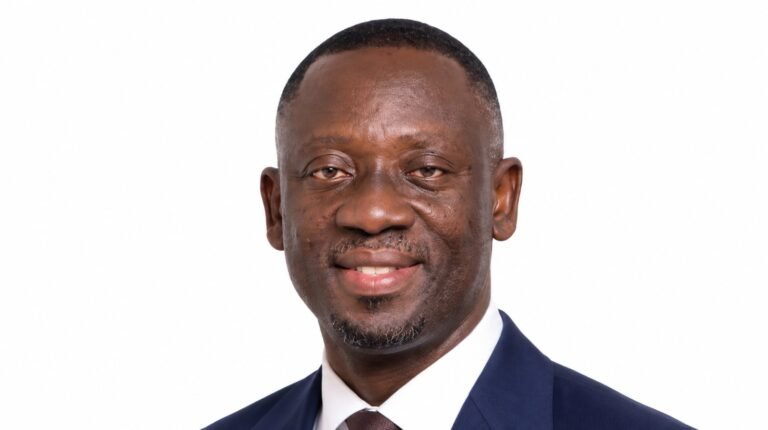
A private legal practitioner, youth advocate and former Member of Parliament for Dormaa East, Paul Apreku Twum Barimah, has firmly dismissed the growing narrative that Ghanaian youth are lazy and unwilling to work. He argued, instead, that millions of young people were being held back by weak policies and the absence of a conducive environment that allows them to realise their full potential.
Speaking on youth development and unemployment to this paper, the former legislator noted that the energy, creativity and resilience demonstrated daily by young Ghanaians across different sectors of the economy clearly show that the country possesses an active and ambitious youthful population capable of driving national development if given the necessary support.
Limited opportunities
Mr Twum Barimah argued that many young people continued to struggle not because they lack determination or willingness to work, but because opportunities remain limited due to economic hardships, inadequate state support and structural barriers within the economy.
He noted that thousands of graduates leave tertiary institutions each year with qualifications and skills, yet many are unable to secure meaningful employment because the economy has not expanded sufficiently to absorb the growing labour force.
“The Ghanaian youth are not lazy. What they need is good policy direction, access to opportunities and a conducive environment to thrive. If you create the right conditions, our young people will excel in business, technology, agriculture, academia and entrepreneurship,” he stated.
Mr Twum Barimah explained that despite economic difficulties, many young people continue to venture into small businesses, digital entrepreneurship, transportation services, farming and vocational trades in an effort to survive and contribute to the economy.
According to him, the rise of youth led startups, innovation hubs and online businesses across the country demonstrates that Ghanaian youth possess enormous creativity and entrepreneurial capacity.
The former legislator pointed to the achievements of many young Ghanaians in technology, entertainment and agribusiness as clear evidence that the country’s youth are capable of transforming the economy when given the needed support.
He stressed that several international studies and labour reports support the view that youth unemployment is largely linked to policy and structural challenges rather than laziness.
Research, empirical evidence
Mr Twum Barimah referenced findings by the World Bank which noted in a report on youth employment in Ghana that unemployment among young people is linked more to limited job opportunities and weak structural support than unwillingness to work. The report recommended stronger investments in entrepreneurship, skills training, mentorship and sustainable job creation policies.
He also cited research by the International Labour Organization which found that young Africans perform well in entrepreneurship and innovation when they operate within environments supported by sound policies, access to education, social capital and favourable economic conditions.
Mr Twum Barimah further referred to the work of Ghanaian economist William Baah Boateng, whose research concluded that youth unemployment across Africa is driven mainly by weak economic growth, inadequate job creation systems and structural economic challenges rather than any unwillingness among young people to work.
He explained that another study on youth entrepreneurship in Africa also found that lack of entrepreneurial skills, financing and institutional support continues to reduce opportunities available to many young people, although targeted support programmes and training initiatives significantly improve outcomes.
The former lawmaker additionally cited the World Bank’s Youth Employment in Sub Saharan Africa report which emphasised that African youth possess enormous entrepreneurial potential, but productivity and employment growth depend heavily on government intervention, infrastructure development and economic reforms.
According to him, these findings expose the misconception that unemployment among young people is simply a result of laziness.
“It is unfair for society to brand young people as lazy while many of them wake up every day striving to survive under very difficult economic conditions. The problem is not a lack of ambition. The problem is the absence of opportunities and long term policies that empower the youth,” he added.
Prioristing policy
Mr Twum Barimah therefore called on government, policymakers and the private sector to prioritise policies that directly address youth unemployment and economic empowerment.
He advocated increased investment in technical and vocational education, entrepreneurship development, industrialisation and digital transformation as key measures needed to create sustainable jobs for the youth.
He also urged authorities to improve the business environment through stable electricity supply, lower interest rates and easier access to credit facilities for young entrepreneurs and startups.
According to him, Ghana’s future development depends significantly on how well the country harnesses the talents and potential of its youthful population.
Mr Twum Barimah maintained that with visionary leadership, strategic policies and a stable economic environment, Ghanaian youth can become one of the country’s strongest pillars for economic transformation, innovation and national progress.

About The Author