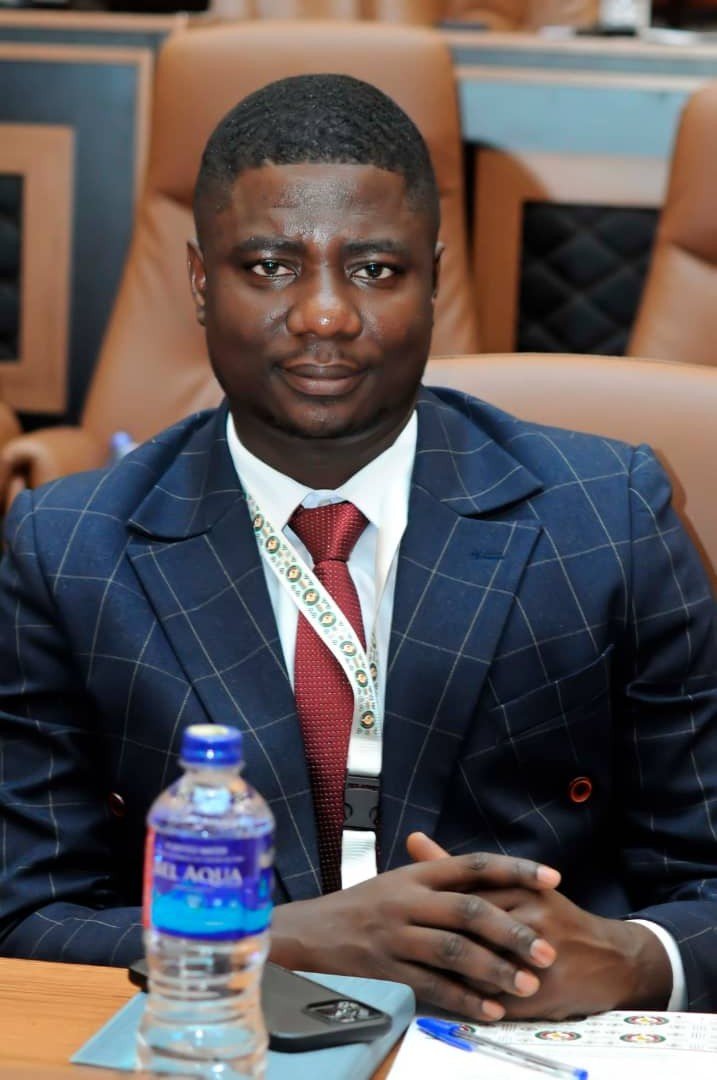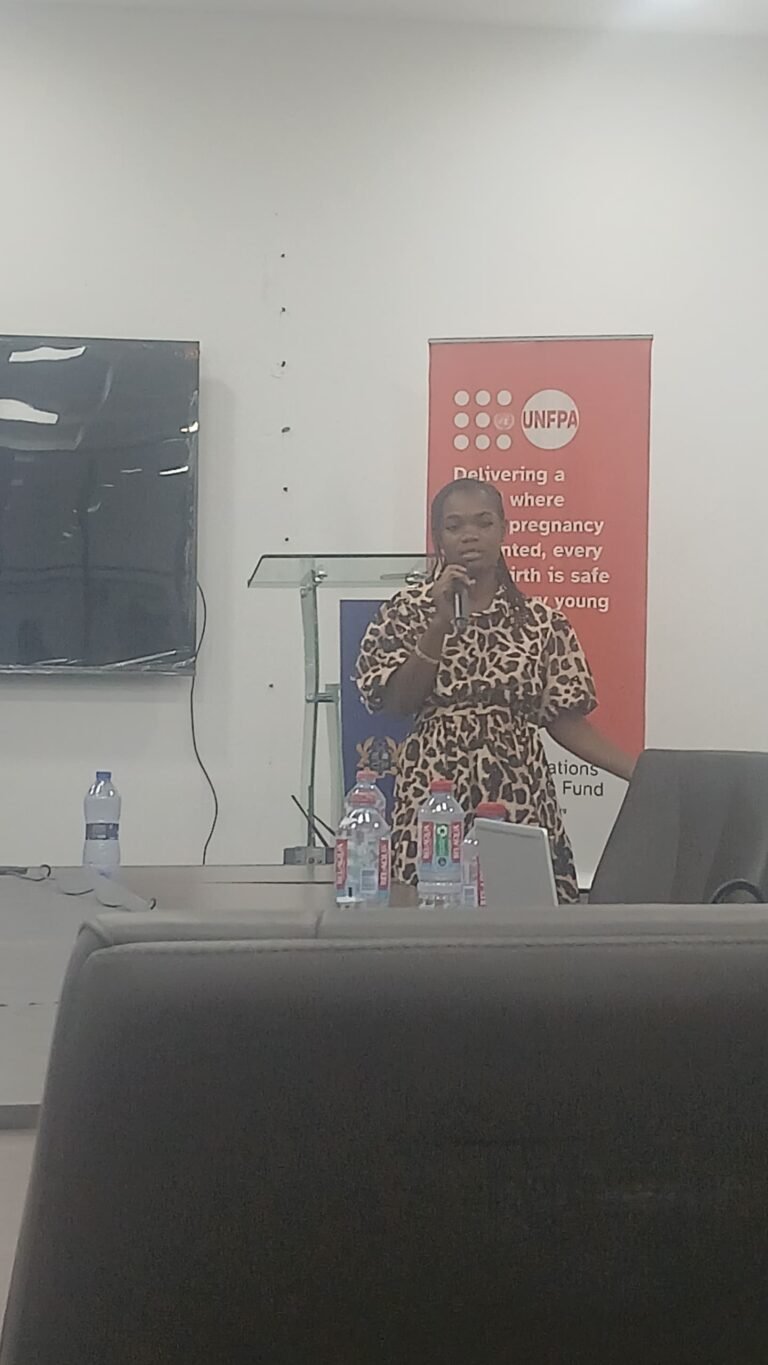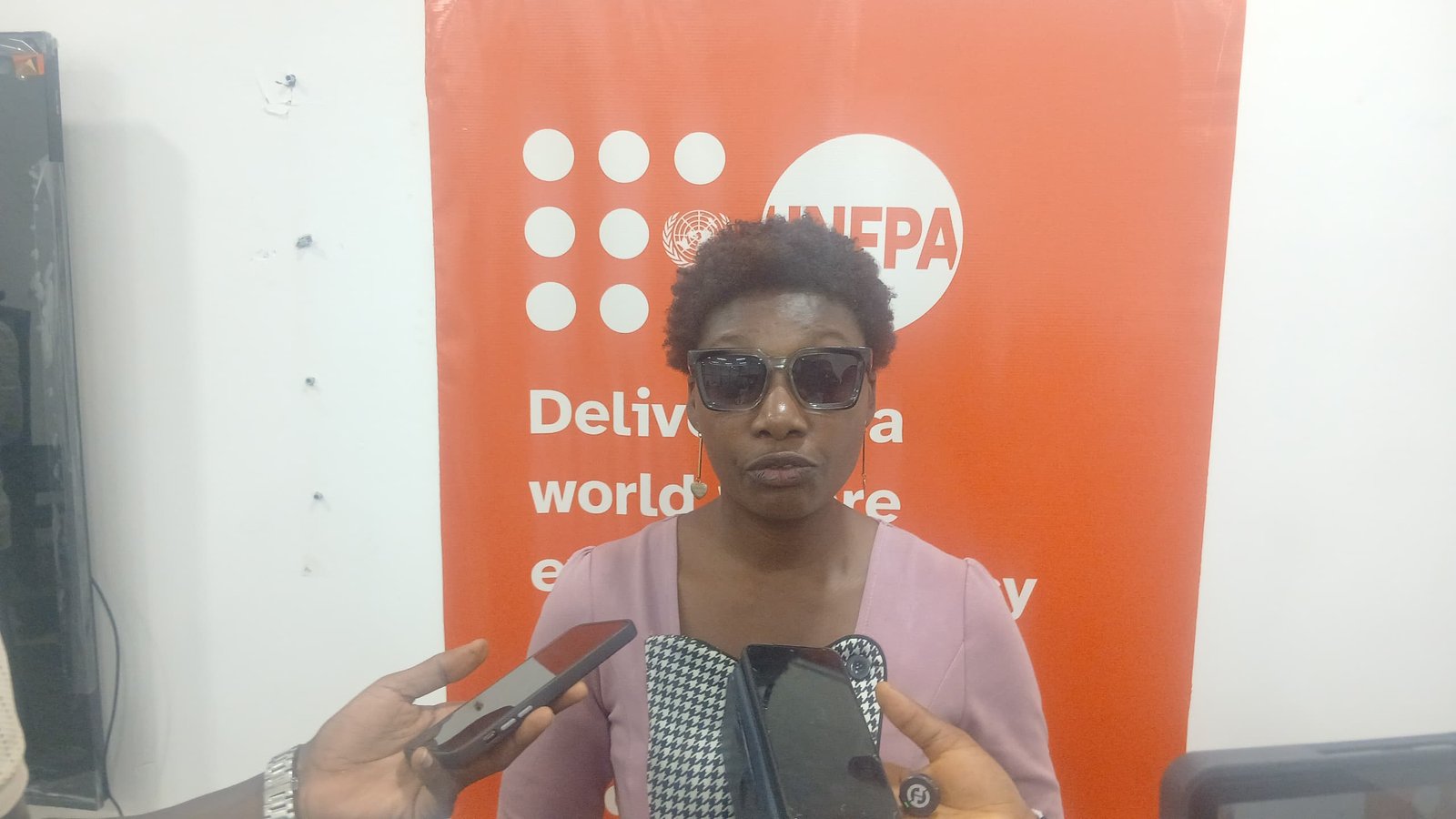
Madam Gloria Mateko Asare, Project Manager, PASS Project at INGH
By Bright Philip Donkor
International Needs Ghana (INGH), an implementing partner of the United Nations Population Fund (UNFPA), is targeting 1,500 adolescent girls and 900 boys under its Promoting Adolescent Safe Spaces (PASS) Project in the Central Region, as part of efforts to empower vulnerable young people and protect girls from teenage pregnancy and sexual exploitation.
The project is also engaging parents and community members to create safer environments for adolescents and equip them with the knowledge to make informed decisions about their lives.
In a brief address at a one-day capacity-building workshop on UNFPA Country Programme Reporting and Development Communication in Accra on Thursday, November 5, 2026, Gloria Mateko Asare, Project Manager of the PASS Project at INGH, said the initiative was being implemented in Gomoa East District, Awutu Senya East Municipality and Awutu Senya West District, with this year’s activities targeting vulnerable adolescents and engaging parents and other community stakeholders.
The project focus
She said the project focuses particularly on out-of-school girls, adolescent mothers and pregnant teenagers, providing them with information and guidance to help them understand their rights, protect themselves and make informed choices about their future.
According to her, many of the girls targeted by the intervention are vulnerable to deception, sexual exploitation and teenage pregnancy, making it necessary to equip them with the confidence and knowledge to protect themselves.
Ms Asare explained that the project goes beyond educating girls to include targeted engagements with groups within their communities, particularly commercial motorbike riders, popularly known as Okada riders, to encourage them to contribute to creating safe environments for adolescent girls.
She said empowering girls without addressing the conduct of those who expose them to abuse and exploitation would undermine the project’s objectives.
“If you empower the girls and the perpetrators are out there, then it is like using a basket to fetch water from the river. The space is still not safe,” she said.
She noted that the project therefore adopts a community-based approach by engaging parents and other stakeholders to take greater responsibility for the welfare and protection of children.
Ms Asare observed that some parents failed to provide adequate guidance and supervision for their children, often leaving them to grow without the necessary support and direction.
She said the programme provides parents with the information and guidance needed to understand their responsibilities and make deliberate efforts to protect and support their children.
Impact of the intervention
On the impact of the intervention, she disclosed that about 32 adolescent mothers had been engaged under the project, with some expressing interest in returning to school to continue their education.
She said others had indicated their desire to acquire vocational skills to become economically independent, adding that the programme provides them with the information and guidance needed to assess their options and make decisions about their futures.
Ms Asare further disclosed that INGH was also implementing the Adolescent Girls’ Programme (AGP) and working to replicate some of its interventions to reach more vulnerable girls.
Adolescent Girls Programme (AGP) in Ghana is a joint initiative funded and supported by Global Affairs Canada and implemented by UNFPA Ghana and UNICEF Ghana.
She said the organisation remained committed to empowering adolescent girls while strengthening community involvement in ensuring their safety, protection and development.
The workshop
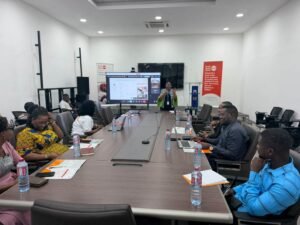
The one-day workshop was organised by the Media and Communication Advocacy Network (MCAN), in collaboration with UNFPA, to strengthen media engagement and development reporting on the UNFPA Ghana Country Programme.
Beyond the training sessions, the workshop provided an opportunity to identify and document human-interest stories from implementing partners and beneficiaries of the Adolescent Girls and Child Marriage programmes.
It also highlighted the experiences, achievements and impact of UNFPA-supported interventions in communities, with the aim of improving media coverage of development programmes and the changes they bring to the lives of beneficiaries.
About The Author