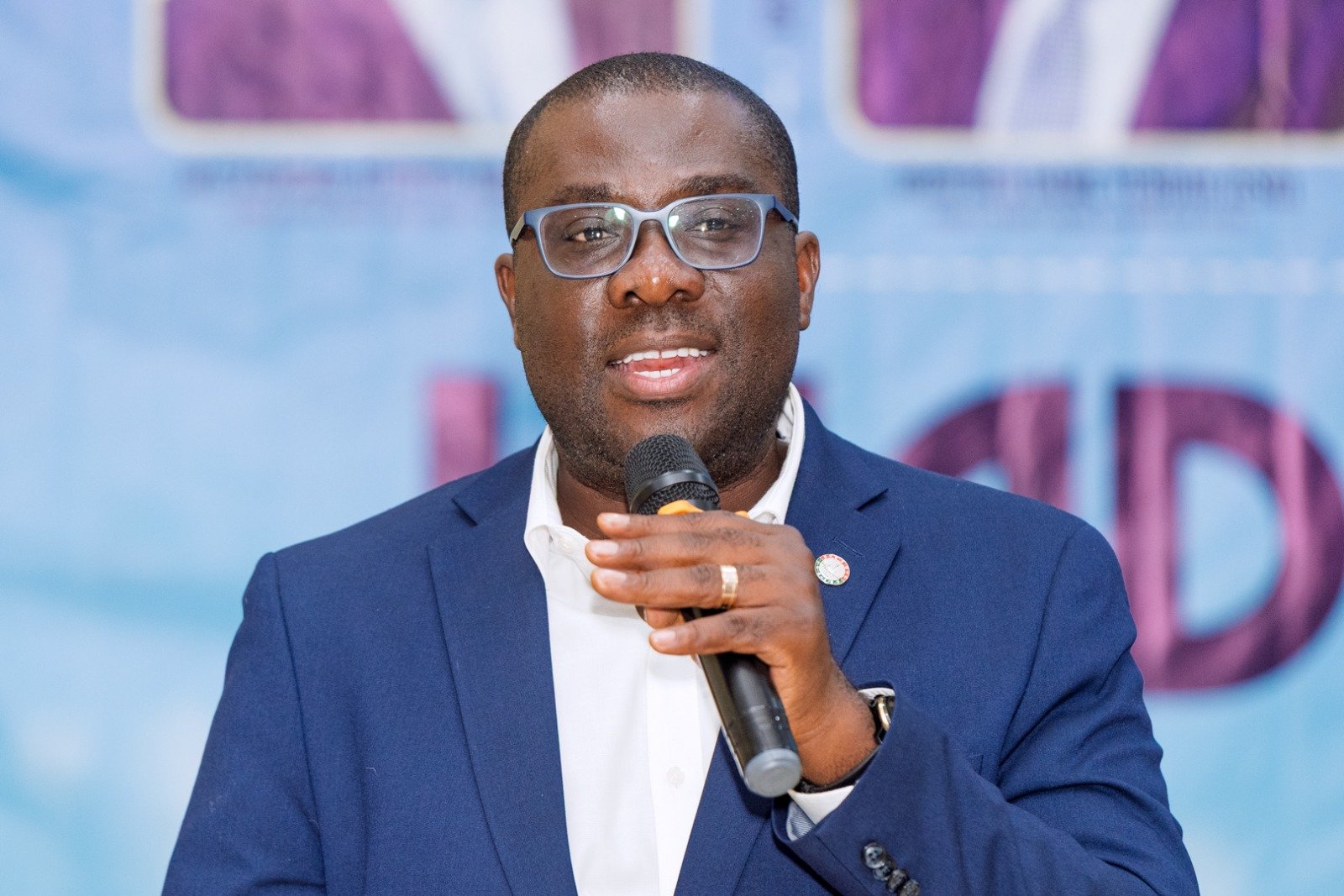
The Member of Parliament for Akuapem North Constituency, Sammi Awuku, has described law and politics as interconnected “living systems” that continuously shape the realities of citizens, whether or not they consciously engage with them. He has, therefore, warned that failure to understand them affects how individuals navigate society.
He said this at the 2026 Law Students’ Network (LSN) Leadership and Law Series held on Saturday, April 18, 2026, at the ISSER Conference Centre, University of Ghana, Legon. The event was held under the theme, “Beyond the Classroom: Winning in Law and Politics”.
Mr. Awuku argued that law and politics should not be seen as distant or abstract structures, but as dynamic systems that influence everyday realities whether citizens engage them deliberately or not.
According to him, the interplay between governance and legal systems determines outcomes in society, stressing that an appreciation of how these systems work is essential for national development and personal progress.
“Because law and politics are not distant cousins of structures, their living systems are not disconnected. Whether we engage them intentionally or not may shape our realities in our everyday lives,” he said.
The former National Organiser of the New Patriotic Party (NPP) further noted that the real challenge facing the current generation is not limited to academic achievement, but the ability to translate knowledge into societal awareness and responsibility.
He stressed that while formal education provides a foundation, it is life beyond the classroom that ultimately determines an individual’s impact in society.
“The classroom always prepares, but it is life beyond the classroom that will define our impact,” he stated, adding that intelligence alone is not enough to succeed in navigating modern society.
Mr. Awuku explained that meaningful influence is shaped by awareness, social positioning, and a sense of responsibility once individuals begin to understand how systems truly function.
Beyond his reflections on education and civic responsibility, the Akuapem North MP also made political remarks touching on future electoral prospects, expressing confidence in his party’s organisational strength heading into the next general elections.
He suggested that the political environment leading up to 2028 would require strategic mobilisation, particularly of young people, whom he described as central to shaping electoral outcomes.
According to him, the next election cycle will be defined by both challenges and opportunities, but insisted that careful planning and unity would position his party favourably.
“There will be moments of pain and moments of joy, but we must work towards a future in 2028,” he said, urging sustained engagement and preparation.
Mr. Awuku also reflected on lessons from past political cycles, noting that recent years have exposed the importance of understanding how power is exercised and managed within political systems.
He further praised the leadership and members of the LSN, commending their resilience, discipline, and commitment in sustaining organisational structures even during difficult periods.
He noted that their contributions have strengthened internal cohesion and grassroots mobilisation efforts, which he described as essential for political continuity and growth.
The MP also referenced recent youth and stakeholder engagements within the party, acknowledging efforts by leadership figures to foster unity and collaboration among young supporters.
He urged continued commitment, discipline, and strategic thinking as political actors prepare for future contests, insisting that success will depend on organisation as much as it does on popularity.
About The Author