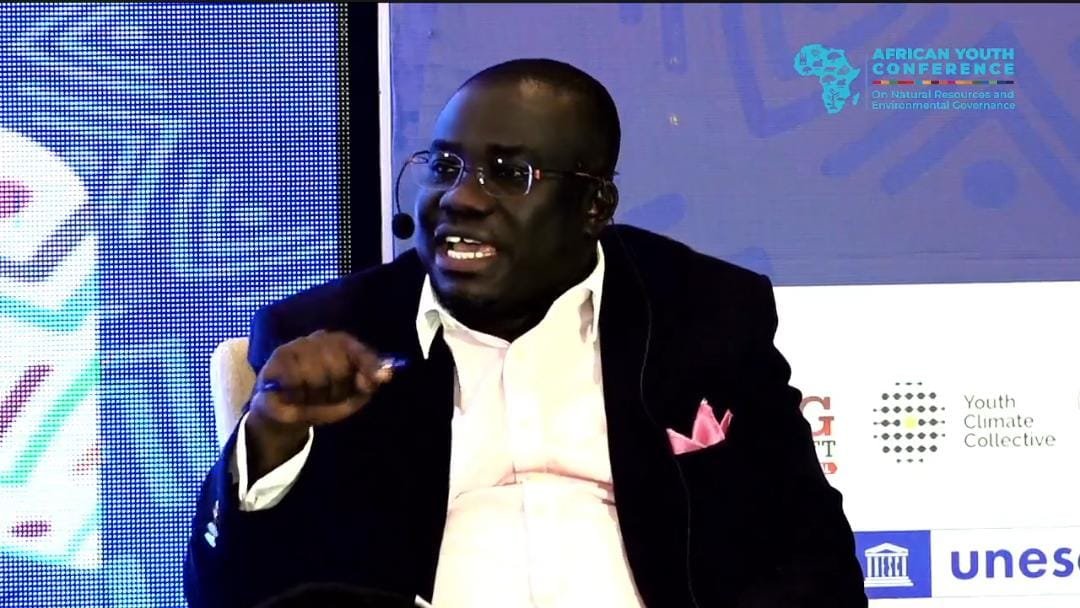
Paul A. Twum Barimah, former MP for Dormaa East
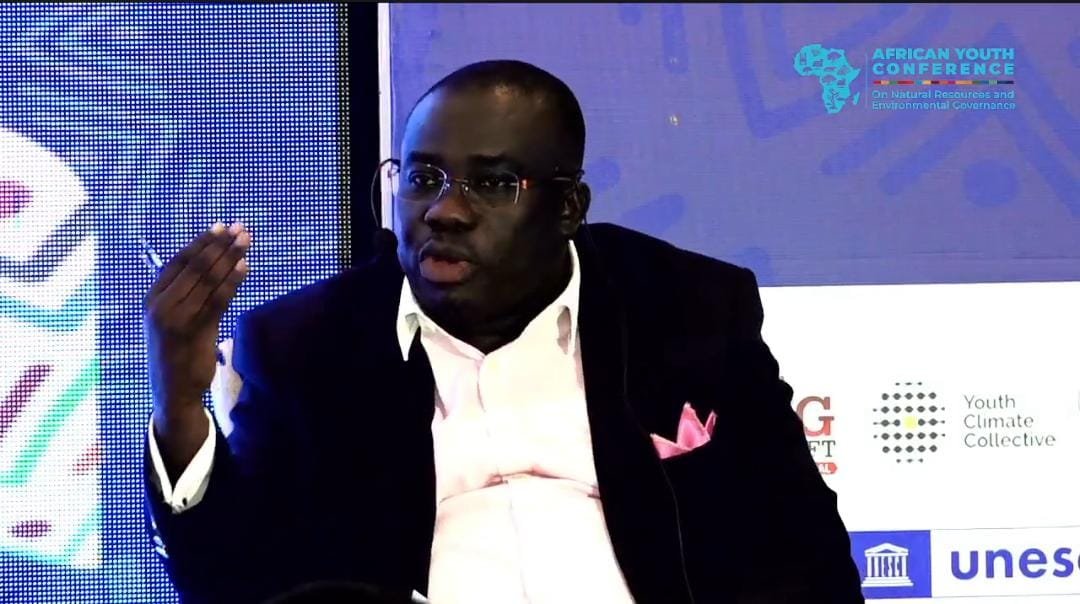
A former Member of Parliament for Dormaa East, Paul A. Twum Barimah, has called for a deliberate shift towards youth-led approaches in natural resources and environmental governance. He has stressed that Africa’s future depends on empowering its youthful population to chart new policy directions.
 Speaking during a panel discussion on Natural Resources and Environmental Governance at the 2025 African Youth Conference, held at the La Palm Royal Beach Hotel in Accra, yesterday, Mr. Twum Barimah urged African governments, institutions, and development partners to prioritize youth innovation, advocacy, and leadership in addressing governance challenges.
The three-day conference, themed “Transforming Africa’s Natural Resource Governance Through Youth-Led Solutions,” is organized by the Strategic Youth Network for Development (SYND) and runs from September 11 to 13, 2025.
 Political patronage
In his submission, the former lawmaker lamented the entrenched political patronage that often undermines good governance, noting that young people must rise above partisan divisions to push for accountability and transparency. “A party comes to power and everyone is moved around simply because of political colours. This culture weakens institutions and limits opportunities for fair governance. It will take us—the youth, to challenge this status quo and chart a new path,” he emphasised.
He highlighted the growing influence of young Africans on social media. He urged them to channel their voices towards meaningful advocacy rather than political insults and unproductive online trends.
“Instead of using social media for insults, we should use it to brand ourselves, showcase social action, and push for the change we want to see. Youth-led social action can and has transformed societies,” he said, citing youth-driven movements across Africa that have sparked reforms in governance and policy.
 Climate governance
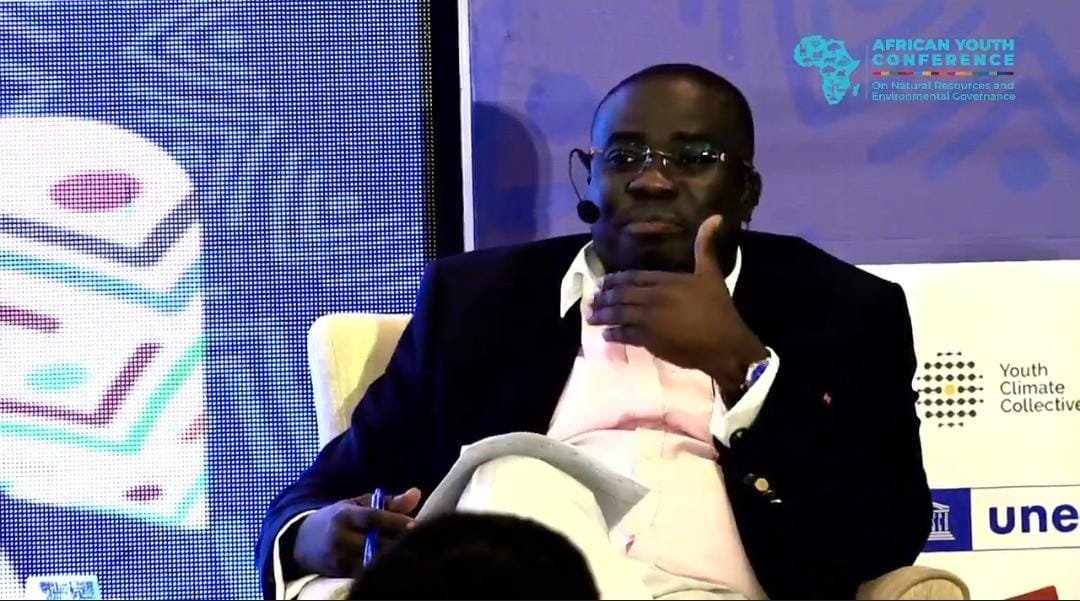
On climate governance, Mr. Twum Barimah proposed the creation of a dedicated Youth Climate Fund to support innovative initiatives led by young people in the green economy.
According to him, such a fund, financed through national budgets as well as bilateral and multilateral partnerships, would ensure continuity beyond partisan politics. “Even if political parties change, the fund must remain. It is an investment in the continent’s future,” he stressed.
He further drew parallels with existing social protection schemes like the District Assembly Common Fund for Persons with Disabilities, arguing that a similar, wellfinanced mechanism could drive youth-centered climate action and entrepreneurship.
He further added: “Africa has over 830 million young people. Imagine the transformation if we channel that energy into social action, policy influence, and resource governance. The opportunity to turn around our fortunes is now, and it lies in the hands of the youth.”
About The Author