Salah Abudu
Salah Abudu, a beneficiary of the United Nations Population Fund (UNFPA) Global Programme to End Child Marriage in Ghana, Salah Abudu, has recounted how skills training, education and mentorship under the initiative helped her return to school and pursue a university education.
Abudu said her participation in the programme exposed her to training in livelihood skills, Sexual and Gender-Based Violence (SGBV), legal literacy and Sexual and Reproductive Health (SRH), which helped her acquire practical skills and better understand issues affecting her life.
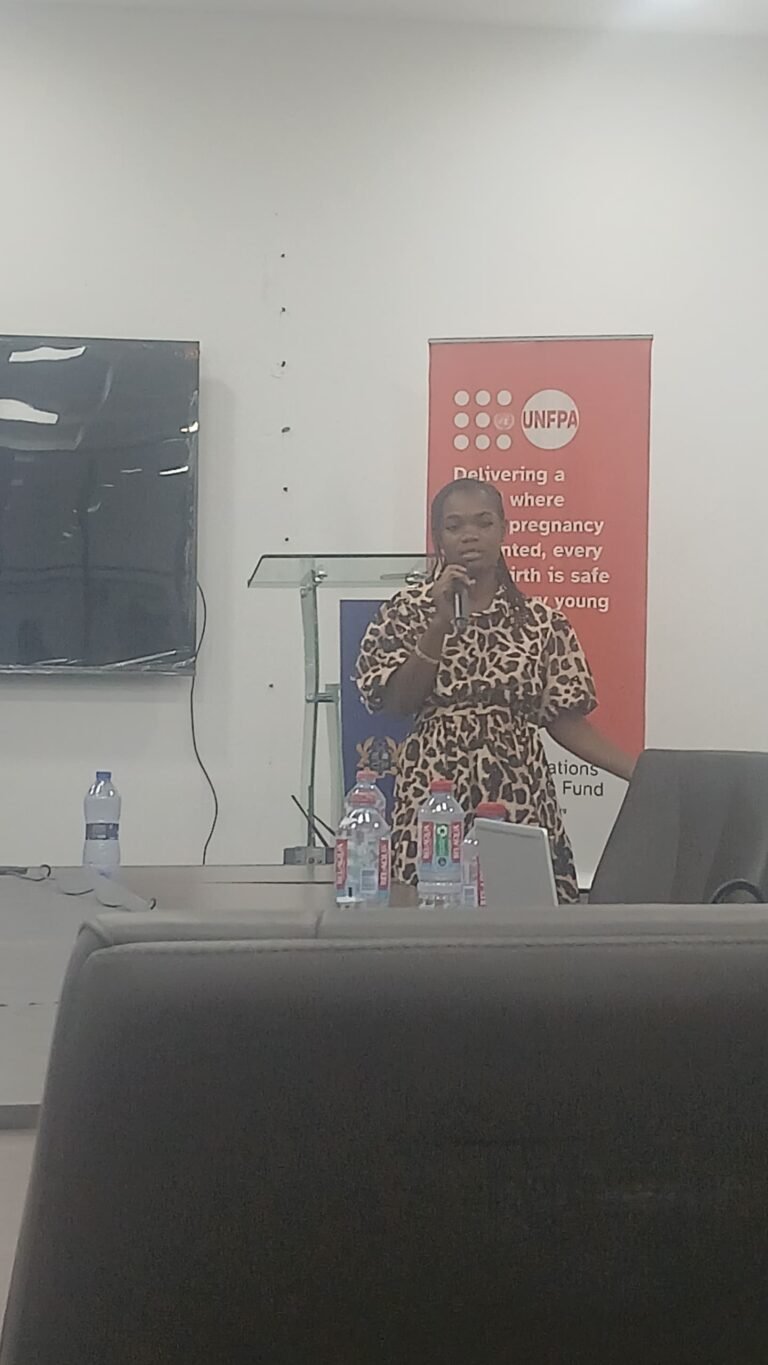
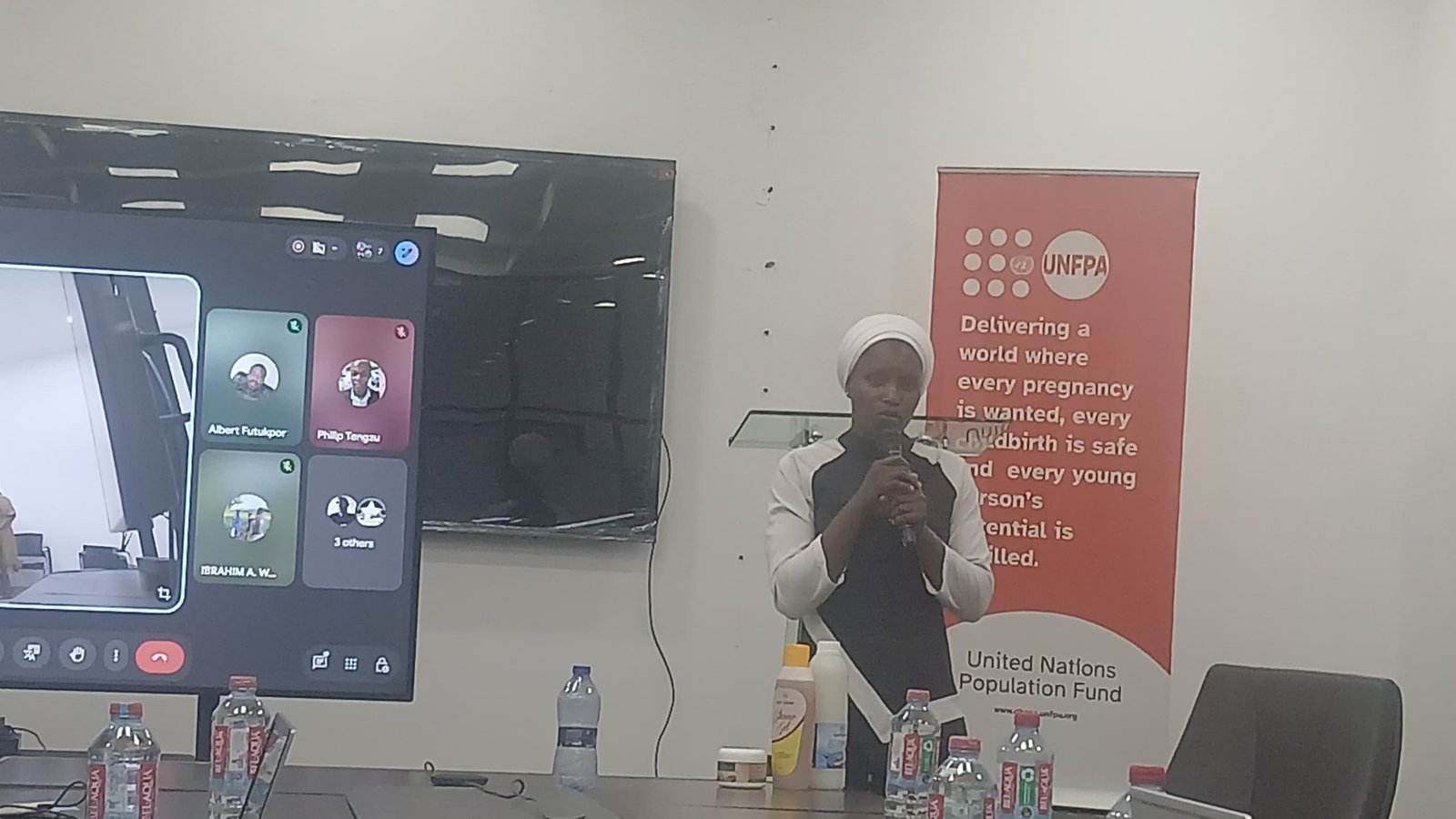
Speaking to the Daily Statesman during a one-day capacity-building workshop on UNFPA Country Programme Reporting and Development Communication in Accra on November 5, 2026, she said the livelihood training equipped her with skills to produce shower gel and hair and body products, giving her an opportunity to develop an income-generating activity.
SRH
She said the sessions on sexual and reproductive health also improved her understanding of her sexuality and gave her the confidence to have informed conversations about related issues.
Beyond the practical training, Abudu said the programme encouraged her to reconsider her educational ambitions, although returning to school after spending some time away from the classroom came with financial difficulties.
She explained that there was also pressure in her community, where girls who did not perform well academically were often expected to get married.
Despite the challenges, she said she remained determined to complete her education and find ways to support her ambition of pursuing further studies.
“I had to be determined. I was able to go through my education successfully, and when I came back, I was still working to raise some money to further my education,” she recounted.
UNFPA relationship
Abudu said she maintained her relationship with UNFPA even after completing that stage of her education and continued participating in activities organised under the Global Programme in her community.
One of the activities was the Girls’ Talk Show, which provided beneficiaries with an opportunity to share their experiences and progress.
She was selected to participate, and it was during the engagement that programme officials learnt about her educational progress and encouraged her to consider pursuing higher education.
At the time, however, Abudu said she had set her sights on attending a nursing training college, largely because she admired the green uniforms worn by some of her former schoolmates.
She admitted that she had little knowledge of the different career opportunities available to her and had not received the guidance needed to make an informed decision about what to study.
“I didn’t really receive the career guidance I needed to help me decide what to pursue. All I kept saying was that I wanted to wear green and go to nursing training college because, back home, all my colleagues were wearing green,” she said.
She said the encouragement she received from programme officials helped her reconsider her plans and recognise that she could pursue a university education.
“They were telling me that I had done well and could go to the university, so why did I want to go to a nursing training college?” she recalled.
She further told the Daily Statesman that the encouragement eventually influenced her decision to apply to the University of Ghana, where she is now pursuing a Bachelor of Science degree in Public Health.
The workshop
The one-day workshop was organised by the Media and Communication Advocacy Network (MCAN), in collaboration with UNFPA, to strengthen media engagement and development reporting on the UNFPA Ghana Country Programme.
The AGP, which took off in 2025, is being implemented jointly by United Nations Population Fund (UNFPA), and United Nations International Children’s Emergency Fund (UNICEF), with support and funding from Global Affairs Canada, in collaboration with the regional coordinating councils in the Volta, Easting, Ashanti, and North East regions.
Beyond the training sessions, the workshop provided an opportunity to identify and document human-interest stories from implementing partners and beneficiaries of the Adolescent Girls and Child Marriage programmes.
It also highlighted the experiences, achievements and impact of UNFPA-supported interventions in communities, with the aim of improving media coverage of development programmes and the changes they bring to the lives of beneficiaries.
About The Author