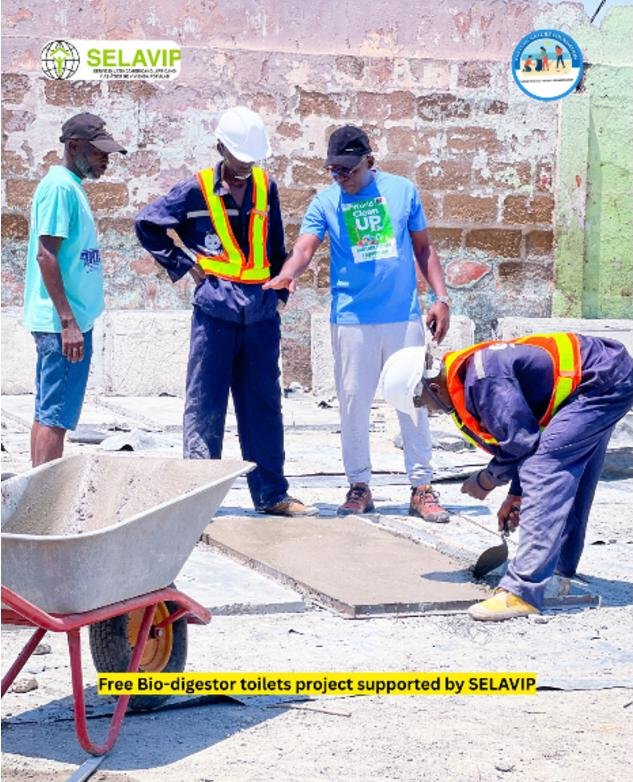
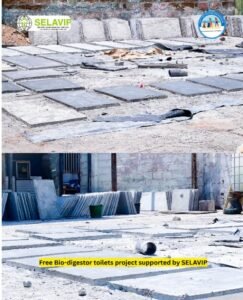
The Nurture Nature Foundation (NNF) has commenced the construction of 45 free bio-digester toilets in Jamestown, marking a significant step toward addressing persistent sanitation challenges in one of Accra’s oldest coastal communities.
The initiative, supported by SELAVIP, forms the first phase of a broader intervention aimed at improving access to safe and dignified sanitation for residents, many of whom currently lack private toilet facilities.
Officials of NNF indicated that the project is being executed under the technical supervision of the Accra Metropolitan Authority, in collaboration with the Ga Mashie Development Agency. The involvement of these institutions is expected to ensure strict adherence to engineering standards, safety protocols, and effective community coordination.
According to the Foundation, the Ga Mashie Development Agency will spearhead community engagement efforts, including the identification of beneficiary households, to ensure fairness and transparency in the distribution process.
A recent survey conducted within the community revealed that nearly 90 percent of households in Jamestown do not have access to private toilets, compelling residents to depend on public or unsafe sanitation options. This, stakeholders say, has contributed to recurring public health concerns and environmental degradation in the area.
Speaking on the project, NNF Executive Director, Peter Asiedu, described the initiative as a critical intervention, but acknowledged that the scale of need far exceeds the current provision.
“This project is an important step toward improving sanitation in Jamestown, but the need is still very large. We are starting with 45 toilets, but many more households require support. We are inviting corporate organizations, philanthropists, and institutions to partner with us so we can expand the impact of this initiative,” he stated.
To ensure sustainability, the Foundation is training eight community members to form a maintenance team that will oversee the functionality and upkeep of the facilities. The move, NNF explained, is part of a broader strategy to promote community ownership and guarantee the long-term viability of the project.
Although the first phase targets 45 households, NNF has outlined plans to scale up the intervention to 175 bio-digester toilets by September 2026. The organization, however, notes that demand within the community remains significantly higher.
Construction of the initial batch of toilets is expected to be completed within the week. NNF expressed optimism that the project will serve as a replicable model for community-based sanitation solutions across the country.
The Foundation is also appealing to corporate Ghana, development partners, and individuals to support the initiative through funding, provision of materials, or technical expertise. Increased collaboration, it believes, will accelerate efforts to bridge the sanitation gap and improve health outcomes in underserved communities.
NNF reaffirmed its commitment to working closely with residents throughout the implementation process, emphasizing that community participation remains central to the success and sustainability of the intervention.
About The Author