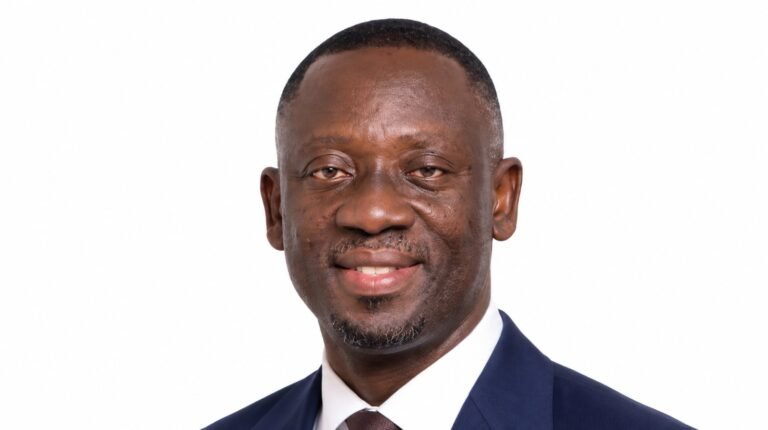
Professor Jeffrey Haynes, Emeritus Professor of Politics at London Metropolitan University
By Professor Jeffrey Haynes
It is important to have political mobilisation around environmental issues. Many countries around the world have green parties – that is, formally organised political parties based on the principles of green politics, such as environmentalism and social justice. Ghana does not have a Green Party. Does it need one?
Green parties are well established in some parts of the world, including Europe. Many sub-Saharan African countries, including Ghana, do not have green parties. The Federation of Green Parties of Africa (FGPA) is an umbrella body of the region’s various national green and environmental parties. A formal coalition, the African Greens Federation (AGF), was created in 2010 at a conference in Kampala, Uganda. The AGF’s permanent administration is in Ouagadougou, Burkina Faso. Part of the Global Greens, founded in 2001 in Canberra, Australia, the FGPA follows the Global Greens Charter, highlighting the values of participatory democracy, nonviolence, social justice, sustainability, respect for diversity, and ecological wisdom.
Why does Ghana need a green party? The reason is that major environmental challenges, including air, waste, and water pollution, have not been adequately addressed by former or current governments dominated by either the National Democratic Congress (NDC) or the New Patriotic Party (NPP).
Air pollution is Ghana’s number one environmental risk to public health and the country’s sixth-ranked overall risk (out of 19) for death. Household and ambient air pollution causes around 16,000 premature deaths annually. Air pollution’s disease burden is disproportionately borne by infants and the elderly.
Over 3,000 metric tons of plastic waste are generated in Ghana every day—equivalent to 1.1 million metric tons per year. An estimated 86% is mismanaged, leading to widespread environmental and urban pollution, now commonplace in nearly every community in the country, and contributing to disasters, especially flooding and cholera outbreaks. The impact on air pollution is also significant given that 11% of Ghana’s waste is burned. Burning plastics releases toxic substances and greenhouse gas emissions that contribute to climate change.
The quality of naturally occurring surface waters and groundwater in Ghana was until quite recently generally good, until the recent phenomenon of pollution. Water pollution causes significant damage (equivalent to 3% of GDP) due to the health effects of an inadequate water supply, poor sanitation, and inadequate hygiene (around 11,000 early deaths annually), as well as discharge of solid waste, industrial effluents, and toxic substances into water systems.
Ghana does not lack constitutional and policy frameworks to address pollution. Several institutions aim to deal with environmental management, yet the institutional framework for environmental management is incomplete. The Ministry of Lands and Natural Resources reports a combination of potentially conflicting mandates within single institutions—policy coordination, regulation, and management—as impeding improvements to Ghana’s environmental governance system. In addition, the Ministry regards the 1992 Constitution’s wording as ambiguous in defining the relationship between sector agencies and parent ministries. To deal with these concerns, agencies need stronger policy direction from parent ministries to operate efficiently within the national policy framework. In addition, many institutions are not properly equipped with the legal capacity to monitor and enforce actions.
Environmental resource management expertise does not reside solely in public institutions, but also in the private sector and civil society. There is, however, little public awareness and lack of involvement by local communities in decision-making. A study on the impact of environmental policy on livelihoods of forest fringe communities found out that policymaking is mainly centralised. Communities are not involved in the policies that affect their livelihood as resource users, so the policies are ineffective at achieving intended objectives.
The governing party, the NDC, had a section in its 2024 manifesto entitled: ‘Sustainable Environment and Extractive Sector Management’. The NDC manifesto points out that Ghana is endowed with rich biodiversity, vast natural resources, and resilient people. Yet, the country faces significant environmental challenges that require bold and innovative solutions, and a strong commitment to environmental sustainability. The manifesto highlights that Ghana must do more to protect the environment for the benefit of present and future generations. In power, the NDC promised to accomplish this by ‘reasonable legislative and administrative measures’.
The NDC manifesto commits to strengthening the resilience of social and economic infrastructure to address the consequences of climate change. Such measures include enhancing sinks of greenhouse gases and, more generally, promotion of sustainable economic growth for Ghanaians’ sustained wellbeing. Finally, the NDC manifesto pledged to empower local communities, particularly the youth and women, to ‘participate actively in climate protection and air quality initiatives’, and foster a culture of sustainability and resilience that will benefit current and future generations. However, in power for over six months, the NDC has as yet made no discernible progress in fulfilling any of its manifesto pledges in relation to the natural environment and climate change.
Democracy only works when those in power are subject to pressure from outside government to implement policies promised in election manifestos. To encourage the NDC government to do more to protect Ghana’s natural environment and fight the destructive effects of climate change, both civil society and political society need to vocally urge President Mahama to make environmental protection a top priority of the current government. A green party, suitably led, organised and financed, would help Ghanaians to pressurise government from below to do more to protect the environment. Europe has effective green parties and this is major reason why the region’s natural environment is better protected than in many African countries, including Ghana. The time for talking is over; action is needed – now.
The writer is an Emeritus Professor of Politics at London Metropolitan University, UK.
About The Author